Choosing the right EV charger depends on your daily driving distance, home electrical setup, and budget. Level 1 uses a standard 120-volt outlet and adds a few miles of range per hour. Level 2 uses a 240-volt circuit for faster charging, while Level 3 DC fast chargers provide quick top-ups. Comparing voltage, charging speed, cost, and use cases helps you find the best option. In 2024, electric vehicles accounted for 8.1% of new car sales in the United States, with 1,301,411 units sold, according to Cox Automotive.
Key Takeaways
- Level 1 charging uses a regular 120-volt outlet and gives you 3-5 miles of range each hour.
- Level 2 charging uses a 240-volt circuit and adds 20-30 miles of range per hour.
- Level 3 charging uses DC power and can add hundreds of miles of range in less than an hour.
- Pick your charger based on how far you drive each day and how much power your home can handle.
- Level 2 charging works well for most homeowners and charges faster, with possible incentives.
What Is Level 1 EV Charging and How Does It Work?
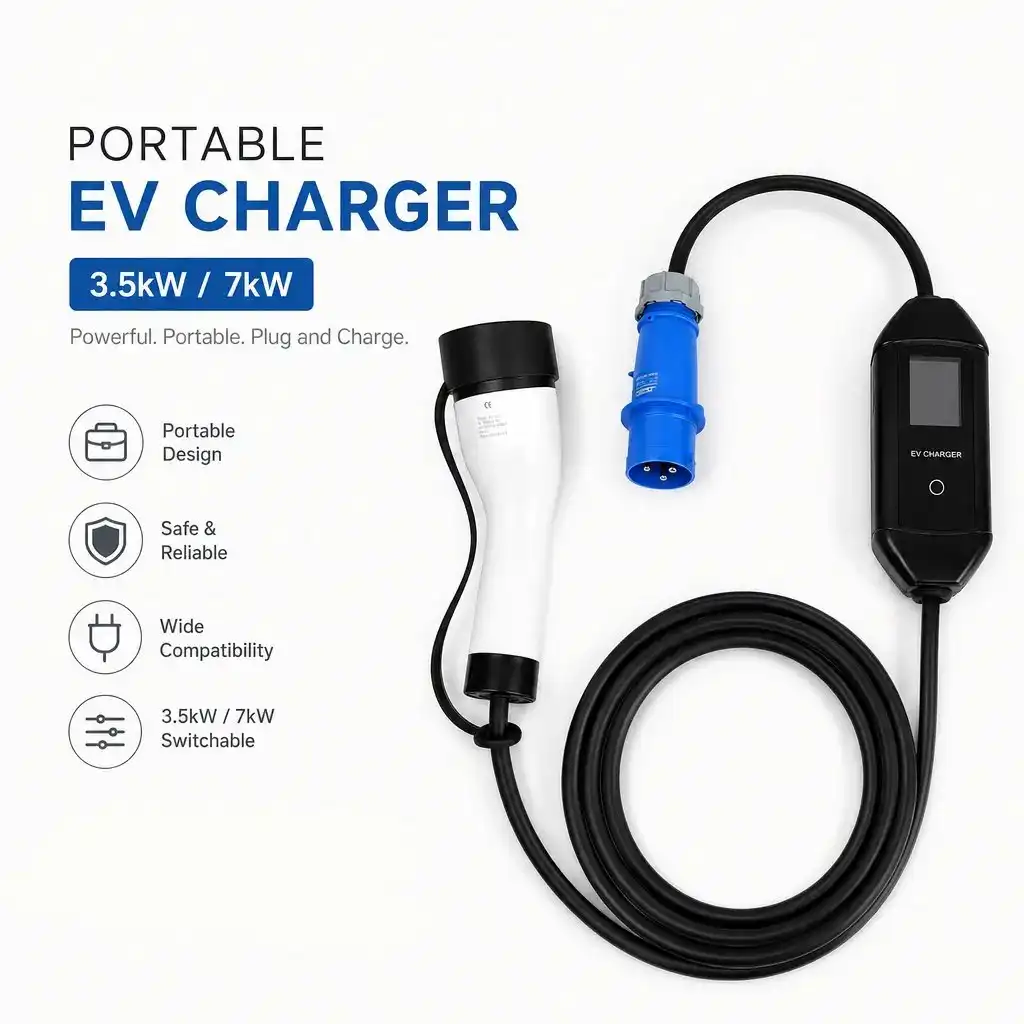
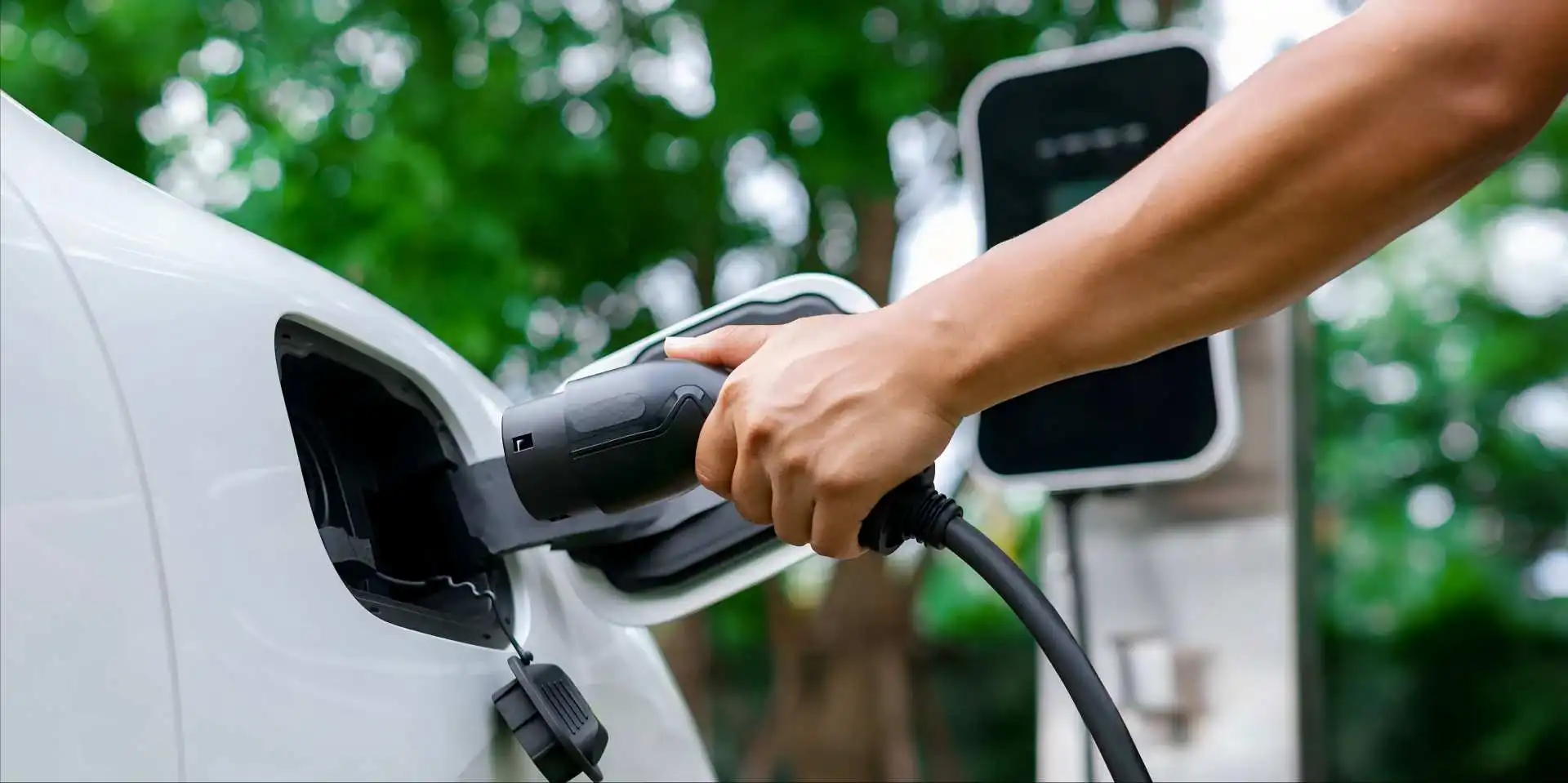
Level 1 charging is the simplest way to power an electric vehicle. You plug the included EV charger into a standard 120-volt household outlet. This is the same outlet you use for a lamp or a phone charger. No special equipment is needed. The charger converts the outlet’s alternating current into power the car battery can use.
Level 1 EV Charger Power Output, Voltage, and Charging Speed
A Level 1 EV charger draws about 12 to 16 amps from a 120-volt circuit. This delivers roughly 1.3 kW to 2.4 kW of charging power. The result is a slow but steady range gain. Most vehicles add about 3 to 5 miles of range per hour of charging.
Charging times depend on battery size. A plug-in hybrid electric vehicle (PHEV) can reach a full charge in about 5 to 10 hours. A full battery electric vehicle (BEV) takes much longer. According to the U.S. Department of Transportation, a Level 1 charger can take 40 to 50+ hours to charge a BEV from empty to 80%.
Level 1 EV Charger Installation Requirements and Limitations
The main advantage of Level 1 charging is zero installation cost. You simply plug into an existing outlet. However, the outlet must meet certain safety standards for continuous use.
| Outlet Type | Voltage | Circuit Breaker | Max Continuous Current | Power Output |
|---|---|---|---|---|
| NEMA 5-15 | 120V | 15A | 12A | ~1.4 kW |
| NEMA 5-20 | 120V | 20A | 16A | ~1.9 kW |
A dedicated circuit is required for a new EV outlet under NEC 625.40. The circuit breaker must be sized at least 125% of the charger’s rating. GFCI protection is also required for EV charging receptacles under NEC 210.8(A) and 625.54.
Level 1 charging works best for low-mileage drivers who charge overnight. If you drive fewer than 40 miles per day, this level may meet your needs. Drivers with longer commutes will find the speed too slow for daily use.
What Is Level 2 EV Charging and How Does It Work?
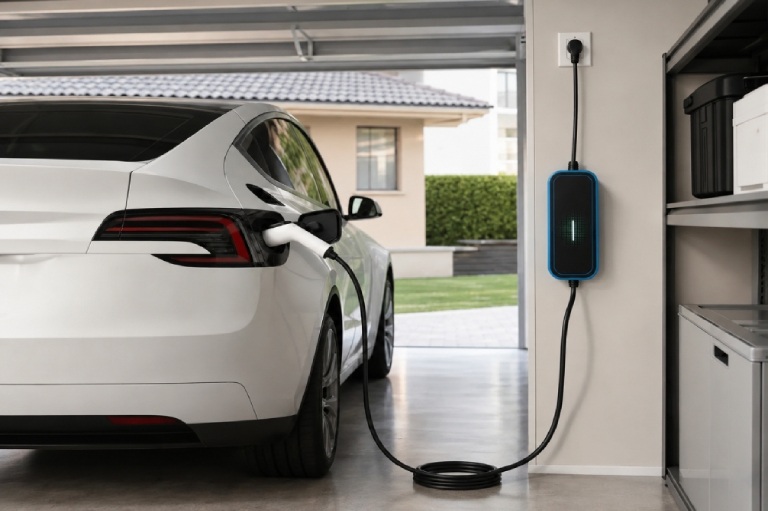
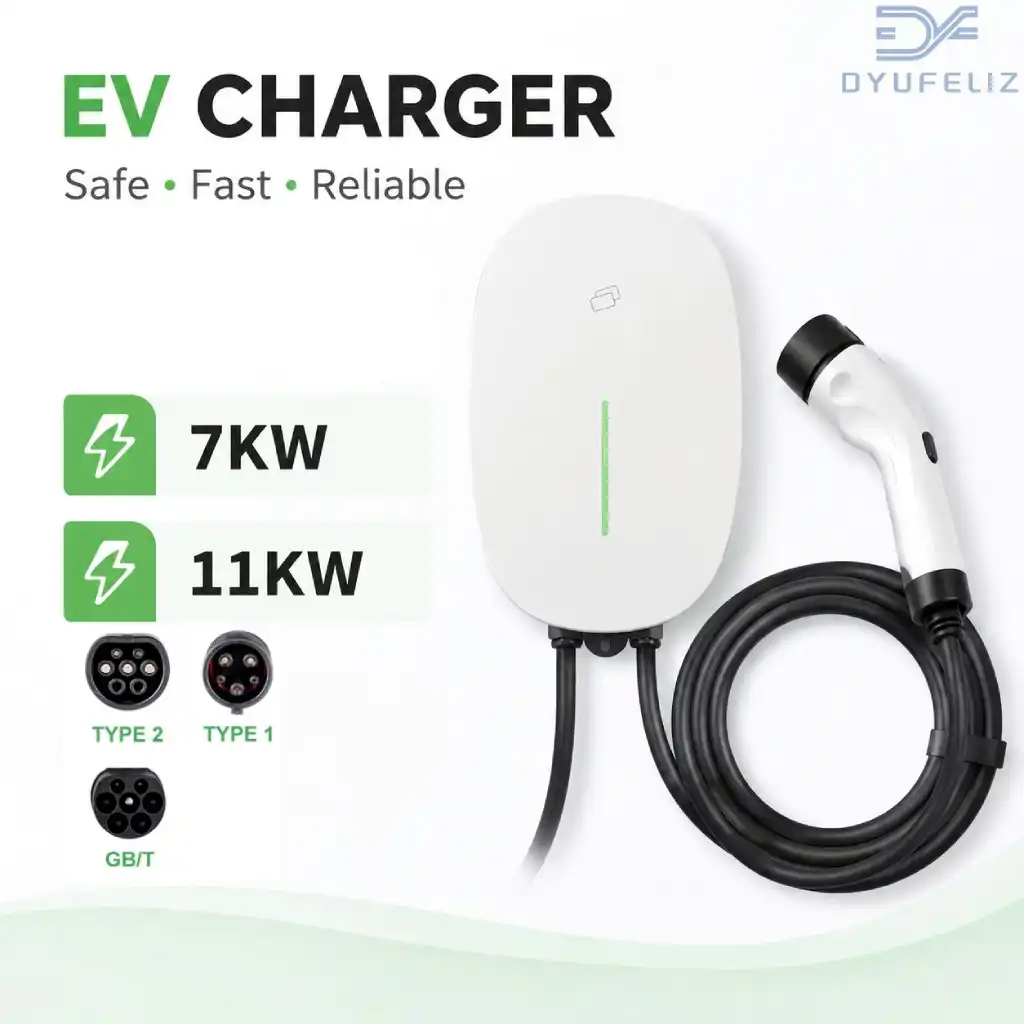
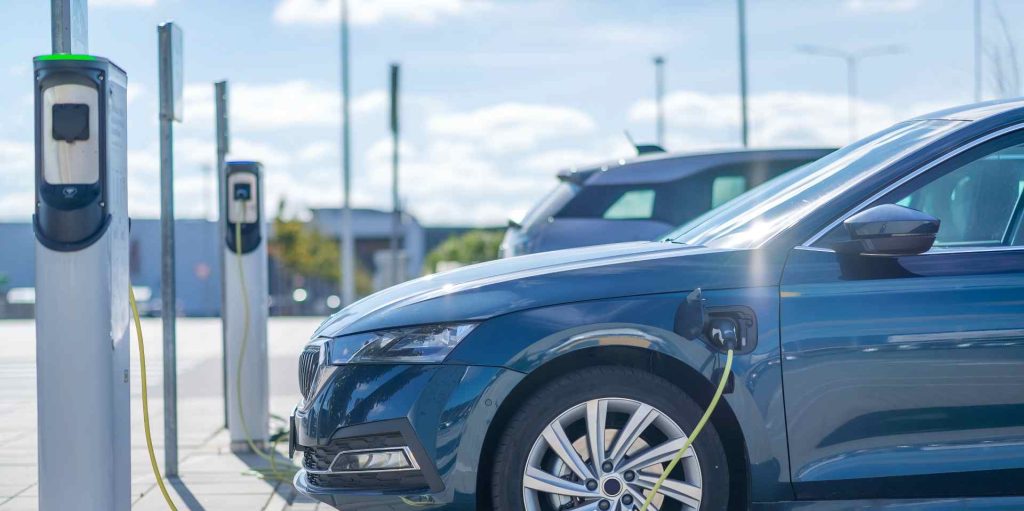
Level 2 charging uses a 240-volt circuit, which is the same kind that runs an electric dryer or stove. This higher voltage sends more power to the charger built into the car. As a result, it charges much faster than Level 1. Most EV owners pick Level 2 for charging at home each day because it offers a good mix of speed, cost, and ease.
Level 2 EV Charger Power Output, Voltage, and Charging Speed
A Level 2 EV charger usually gives between 3.3 kW and 22 kW of power. The real charging speed depends on the car’s onboard charger limit and the circuit’s amperage. A 7.2 kW charger adds about 24 miles of range each hour. Smaller, efficient EVs can gain around 30 miles per hour at 7.4 kW, while bigger vehicles like the Audi e-tron Quattro get about 20 miles per hour. For most passenger EVs, expect 20 to 30 miles of range per hour.
| Charging Power | Approx. Range Added per Hour |
|---|---|
| 3.3 kW | 11 miles |
| 6.6 kW | 22 miles |
| 7.2 kW | 24 miles |
| 9.6 kW | 28 miles |
| 11.2 kW | 30 miles |
| 18 kW | 54 miles |
Charging times change with battery size. A PHEV gets a full charge in 2 to 4 hours. A BEV takes 6 to 10 hours. This means charging overnight can fill up most vehicles.
Level 1 chargers are less efficient, with studies showing 80% efficiency, while Level 2 chargers have 90% efficiency. Many utility companies offer incentives such as lower energy rates to charge during off-peak hours. Level 1 chargers don’t usually qualify for these programs as most will require a smart (networked) Level 2 charger.
Level 2 EV Charger Installation Requirements and Benefits
A Level 2 EV charger needs its own 240-volt circuit. Under NEC Article 625, the circuit breaker must be rated at 125% of the charger’s maximum current. A 30A charger on a 240V circuit delivers 7.2 kW and requires a 40A breaker. Most homes need a 40 to 60 amp circuit for Level 2 charging.
| Charger Amperage | Required Circuit Breaker | Power Output |
|---|---|---|
| 16 A | 20 A | 3.8 kW |
| 24 A | 30 A | 5.8 kW |
| 32 A | 40 A | 7.7 kW |
| 40 A | 50 A | 9.6 kW |
| 48 A | 60 A | 11.5 kW |
Panel capacity is important. A 200-amp panel is usually enough. A 100-amp panel may need load calculations or circuit-sharing devices. A 60-amp panel needs an upgrade. Licensed electricians do the wiring and permits in most areas.
Federal tax credits under 30C cover up to 30% of charger and installation costs, capped at $1,000. Many utilities offer additional rebates. Xcel Energy provides up to $1,300 on home wiring. United Power offers a $1,000 rebate.
DongYu, a manufacturer of AC chargers ranging from 3.5kW to 22kW, supplies home and workplace solutions. These units support flexible installation and long-term value for daily drivers.
What Is Level 3 EV Charging and How Does It Work?
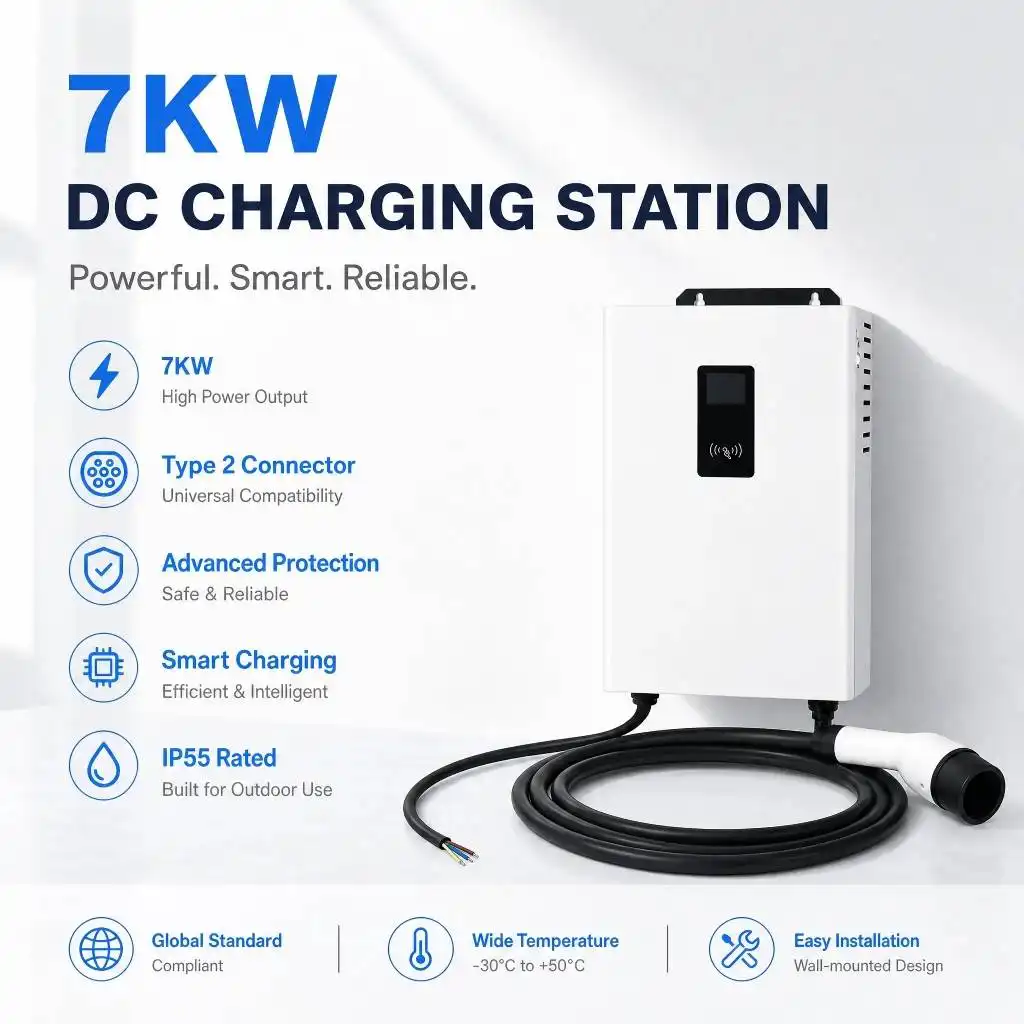
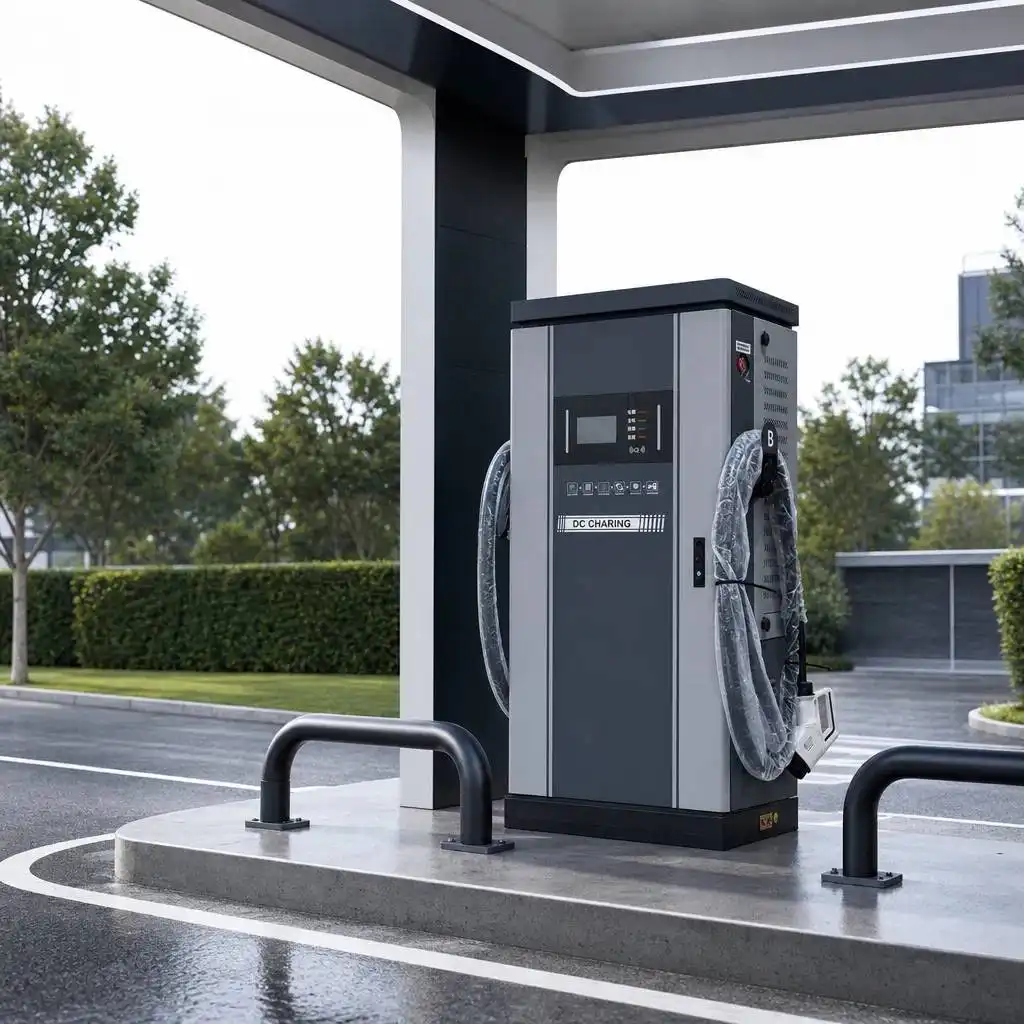
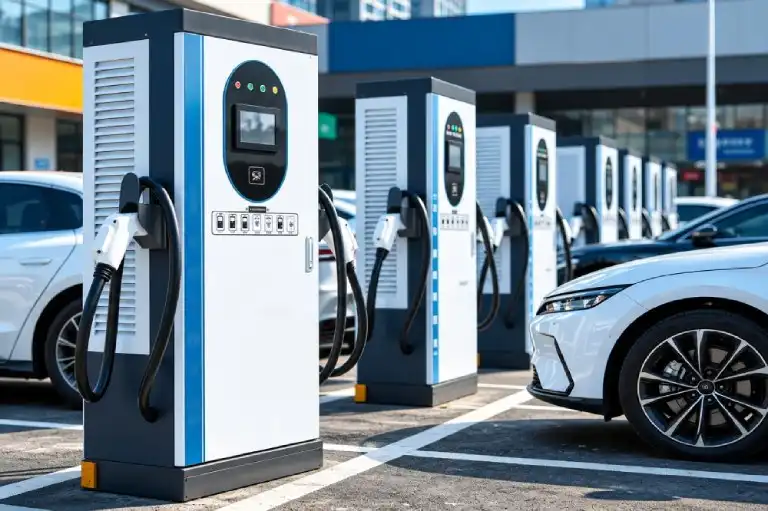
Level 3 charging is the quickest kind you can find. It uses direct current (DC) power rather than alternating current. This method skips the car’s onboard charger and sends power right to the battery. The result is a fast charge that can add hundreds of miles of range in less than an hour.
Level 3 EV Charger Power Output and DC Fast Charging Speeds
Level 3 EV chargers run on 400 to 1,000 volts DC. Most commercial units give between 50 kW and 350 kW. Some newer models go up to 400 kW. These chargers plug in through a special socket with extra pins that handle more power.
Charging speed depends on the charger’s output and the car’s top acceptance rate. A 350 kW charger can take a compatible EV from 10% to 80% in about 20 to 40 minutes. High-power units can hit an 80% charge in just 10 to 15 minutes.
| Charger Power | Range Added per Hour |
|---|---|
| 50 kW | 145 miles |
| 100 kW | 289 miles |
| 150 kW | 434 miles |
| 250 kW | 723 miles |
| 350 kW | 1,012 miles |
This speed makes Level 3 great for long trips. Drivers can take a short break and get back on the road with plenty of charge.
Level 3 EV Charger Installation Requirements and Grid Capacity
Putting in Level 3 infrastructure is a big job. These systems need a lot of electrical capacity and coordination with the utility. The process usually follows several steps:
- A early service inquiry checks available capacity at the closest transformer.
- A formal application is sent in with load calculations and equipment details.
- The utility’s engineering team checks if the requested load can be served.
- A service agreement states the metering type and utility-installed equipment.
- The project must pass electrical inspection before the utility sets the meter.
- Final power-up happens after the meter is set and the account is made.
The interconnection framework described is specific to Washington State, governed by state electrical code, utility-specific tariffs filed with the Washington Utilities and Transportation Commission (UTC), and L&I oversight. It does not address federal FERC interconnection rules or utility interconnection in other states.
Level 3 chargers serve highways, fleets, and busy retail spots. Common sites include highway corridors, retail centers, fleet depots, and gas stations. Fleet operators like these systems for their high throughput and low downtime.
DongYu makes DC fast chargers from 20kW to 480kW for commercial needs. The company offers wholesale and custom options for businesses that want reliable infrastructure. Their ISO9001-certified production ensures steady quality for large-scale deployments.
How Do Level 1, Level 2, and Level 3 EV Chargers Compare?
Comparing EV Charger Levels by Power Output and Charging Time
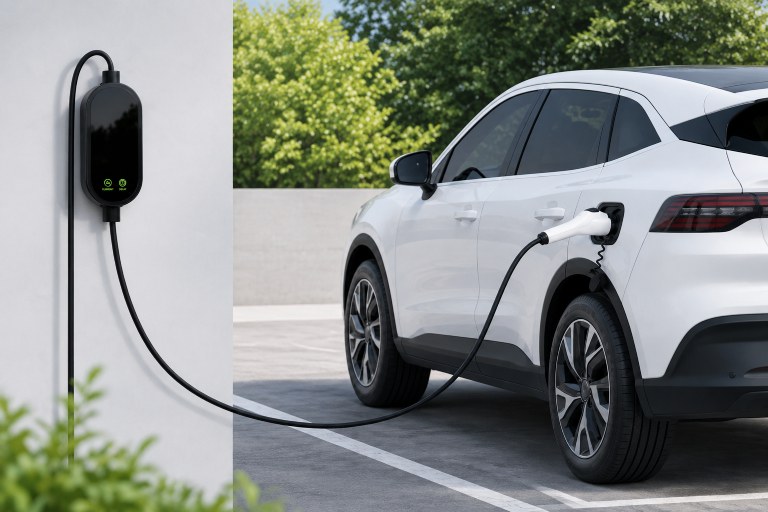
Level 1, Level 2, and Level 3 EV chargers differ in power output and charging speed. Level 1 typically delivers 1.2–1.9 kW, Level 2 provides around 3.7–22 kW, and Level 3 DC fast chargers can range from 50 kW to 350 kW or more. Actual charging time depends on battery capacity, vehicle charging limits, and state of charge.
| Charging Level | Typical Power Output | Charging Speed | Common Use |
|---|---|---|---|
| Level 1 | 1.2–1.9 kW | Slow | Home charging, low daily mileage |
| Level 2 | 3.7–22 kW | Moderate | Homes, workplaces, commercial sites |
| Level 3 | 50–350 kW or more | Fast | Public stations, highways, fleet depots |
Connector standards also vary by region and charging level. J1772 and NACS are common AC charging options in North America, while Type 2 is widely used in Europe. DC fast charging may use CCS, CHAdeMO, or NACS, depending on the vehicle and market.
A charger’s maximum output does not guarantee the same charging speed for every EV. The vehicle’s charging capacity and battery conditions determine the actual rate, which often decreases as the battery approaches 80%.
Comparing EV Charger Levels by Installation Costs and Use Cases
Installation requirements and costs increase with charging power. Level 1 typically uses a standard household outlet, while Level 2 may require a dedicated circuit, electrical upgrades, and permits. Level 3 DC fast chargers need substantial electrical capacity, specialized equipment, and potentially utility infrastructure upgrades.
Level 1 suits drivers with short commutes and long parking periods. Level 2 offers a practical balance of speed and cost for homes, workplaces, and commercial parking facilities. Level 3 is better suited to highway charging stations, public charging networks, and fleet depots where faster turnaround is essential.
Before purchasing, consider your vehicle compatibility, expected daily mileage, available electrical capacity, and installation budget.
Comparing AC and DC Charging Across the Three EV Charger Levels
Level 1 and Level 2 use AC charging. The vehicle’s onboard charger converts AC electricity into DC power for the battery, and its capacity can limit charging speed.
Level 3 uses DC fast charging, converting AC power to DC within the charging station before supplying the battery. This bypasses the vehicle’s onboard AC charger, enabling much higher charging power when the EV supports it.
For businesses planning charging infrastructure, DongYu offers DC EV chargers from 20 kW to 480 kW, with customization options such as power output, connector type, and branding. Choosing the right solution depends on vehicle compatibility, site power capacity, and charging demand.
How Do You Choose the Right EV Charger Level for Your Needs?
Choosing an EV Charger Level Based on Daily Driving Distance
How far you drive each day is the best clue for picking a charger level. The average American drives about 39.7 miles per day, based on Department of Transportation data cited by Qmerit. That number sits right at the edge where Level 1 charging starts to feel limited.
If you plan to use your EV for a daily commute of 40 miles or less, you should at least think about using Level 1 charging at home. This means that for daily driving over 40 miles, Level 2 charging is the better pick.
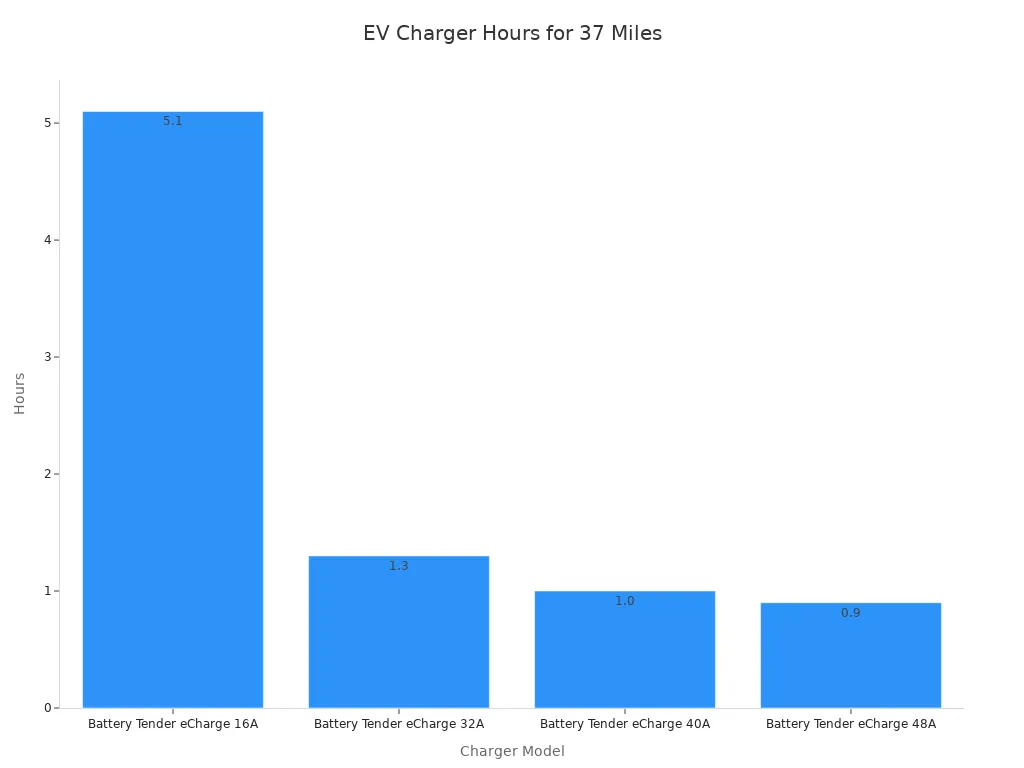
A 16A Level 1 charger brings back about 3 to 5 miles per hour. An 8-hour overnight charge gives you about 24 to 40 miles, which covers a 37-mile commute with extra range left over. Drivers who regularly go over 60 miles per day, share one charger between two EVs, or use up 70% or more of battery capacity in a single day should step up to a 32A to 48A Level 2 unit. Those units bring back 28 to 42 miles per hour.
Level 3 is for road trips and fleet use, not everyday home charging. Its high cost and heavy setup needs rule it out for most homes.
Selecting an EV Charger Level for Home or Commercial Use
For home EV charging, consider your electrical panel capacity, installation costs, available space, and local permit requirements. Level 1 may work with a suitable household outlet, while Level 2 may require a dedicated circuit or electrical upgrades.
Commercial buyers should also evaluate charging demand, vehicle compatibility, site power capacity, and future expansion needs. Level 2 suits workplaces and commercial parking, while Level 3 supports locations requiring faster vehicle turnaround.
DongYu offers AC and DC EV charging solutions for different applications. Before selecting a charger, compare your daily range requirements, installation budget, and charging infrastructure to find the most practical option.
Frequently Asked Questions About EV Charging Levels
Can All Electric Vehicles Use Level 1, Level 2, and Level 3 Chargers?
No. Compatibility depends on the vehicle’s charging port, connector, and supported charging method. Level 1 and Level 2 use AC power, while Level 3 DC fast chargers supply DC power directly to the battery. Check your vehicle specifications before choosing a charger.
How Long Does Each EV Charger Level Take to Charge a Battery?
Charging time depends on battery capacity, charger power, and vehicle capabilities. Level 1 may take over a day for a full charge, Level 2 typically takes several hours, and Level 3 DC fast charging can often charge a compatible EV from 20% to 80% in around 20–60 minutes.
Can You Install a Level 3 DC Fast Charger at Home?
Yes, in some cases, but installation is uncommon due to high electrical demands, equipment costs, and potential grid upgrades. For most households, a Level 2 home EV charger offers a more practical and affordable solution.
Are Level 1, Level 2, and Level 3 EV Chargers Interchangeable?
No. They differ in power delivery, charging speed, and electrical requirements. Adapters may help with connector compatibility, but they cannot make a vehicle support an incompatible charging method. Always check your EV’s specifications before charging.