CCS EV Charger Manufacturer

Home » CCS EV charger
Ningbo Dongyu Electrical Appliance Co., Ltd.
Product Collection

DongYu CCS EV Charger products recommendations

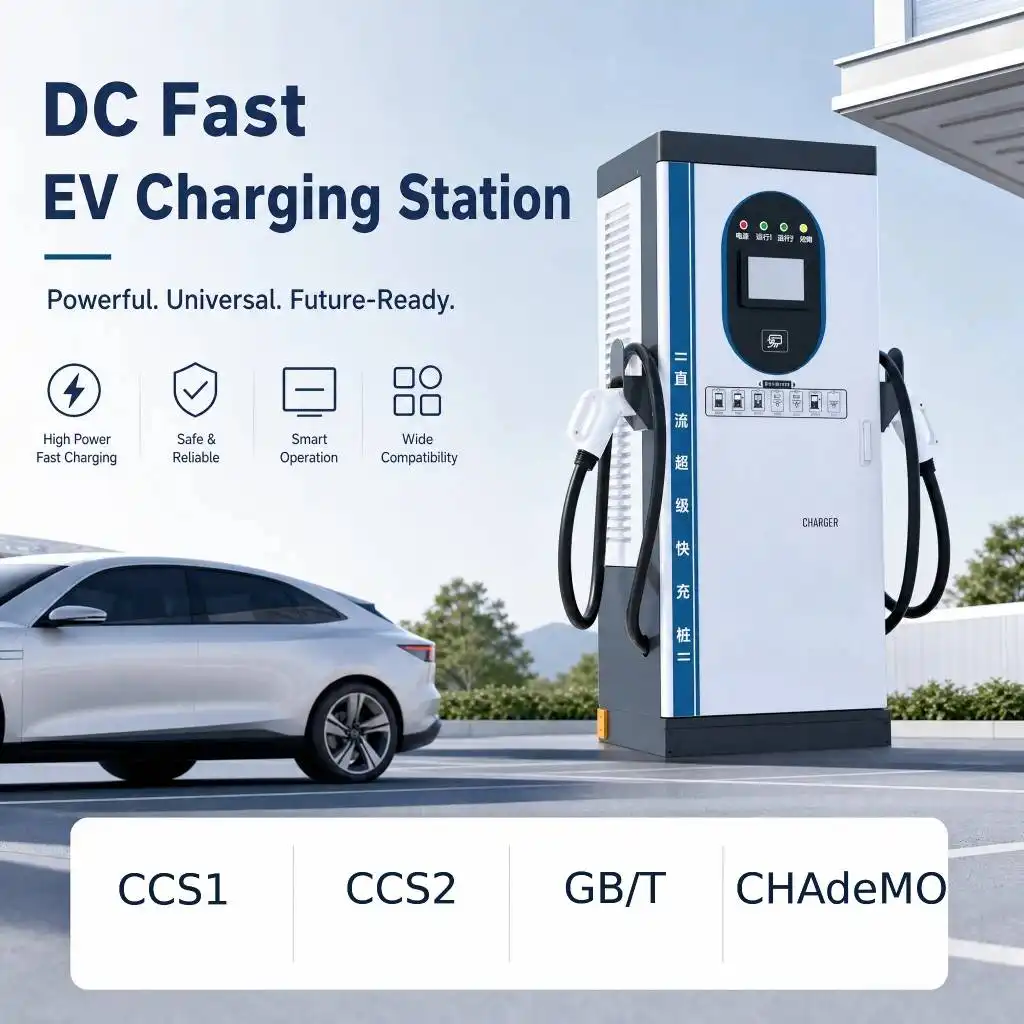
DongYu is a CCS EV charger manufacturer supplying 7 kW to 480 kW charging hardware with CCS1 and CCS2 connectors for Europe and North America.
Every model is built around the IEC 62196-3 combined coupler, supports plug-and-charge with ISO 15118 where required, and ships with OCPP 1.6J firmware and full OEM options.

Connector Standards

CCS EV Charger Type: CCS1 & CCS2

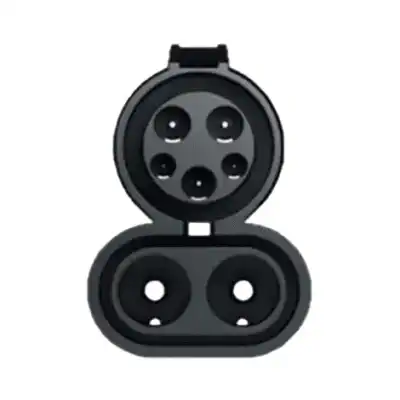
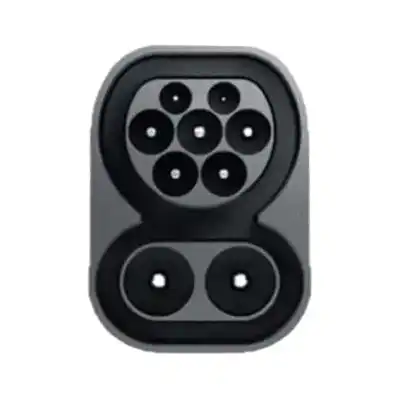
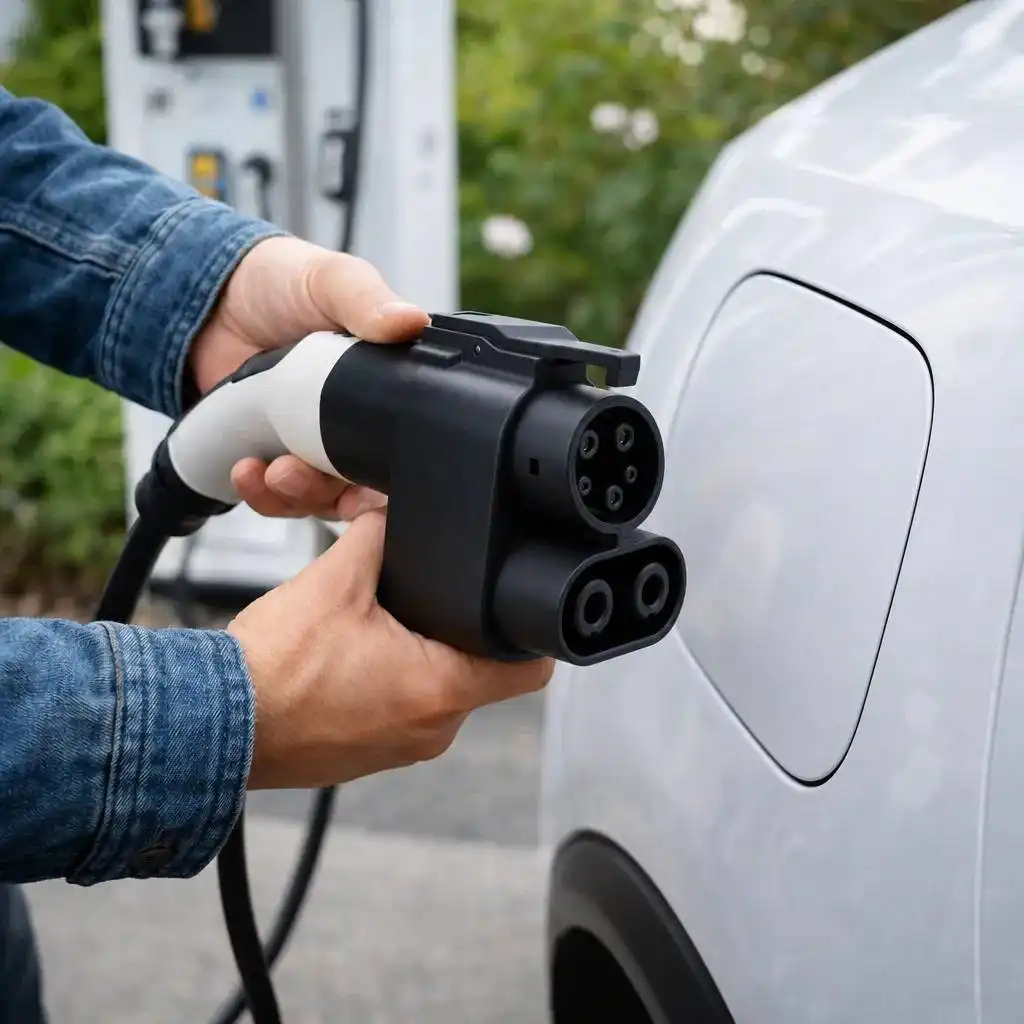
Combined Charging System (CCS)  is one standard with two regional variants. Both add two DC power pins below an AC interface so a single inlet handles AC and DC charging — what differs is which AC interface sits above the DC pins, and therefore which vehicle fleet the charger serves.

CCS1 EV Charger

CCS1 combines the five-pin Type 1 (SAE J1772) AC interface with two DC pins in a single coupler. It is the DC fast charging standard for North America and South Korea, and it carries single-phase AC only — so the AC side of a CCS1 inlet tops out at 7.4 kW.
DongYu builds CCS1 stations from 7 kW wall units to 480 kW dual-gun cabinets, CCID20 personnel protection and NEMA-compatible cable assemblies.
CCS2 EV Charger

CCS2 pairs the seven-pin Type 2 (IEC 62196-2) AC interface with the same two DC pins. It is the mandated DC connector across the EU and the UK, and it carries single- or three-phase AC up to 22 kW, so one inlet covers both overnight and fast charging.
DongYu CCS2 stations ship with CE, RoHS and REACH documentation, MID-certified Class B metering for billable charging, Eichrecht-compliant options for Germany and ISO 15118 plug-and-charge support.
CCS1 vs. CCS2 — Choosing Your Connector

The DC power pins are identical on both variants; the AC interface and the vehicle fleet differ by region.
Match the connector to the market you are selling into rather than to the power level, then size the cabinet to the supply your site can provide.

Feature CCS1 CCS2
AC interface Type 1 (SAE J1772) Type 2 (IEC 62196-2)
DC pins Two, below the AC pins Two, below the AC pins
AC phases Single-phase only Single or three-phase
AC power ceiling 7.4 kW at 32 A 22 kW at 32 A three-phase
Main markets North America, South Korea Europe, and most global markets
Key standards SAE J1772, IEC 62196-3, UL 2202 / UL 2231 IEC 62196-2 / -3, EN 50620, CE · MID
Best for US and Canadian fleets, dealerships, depots EU and UK public networks, homes, workplaces
Installation Types

Comprehensive installation options for your CCS charging project

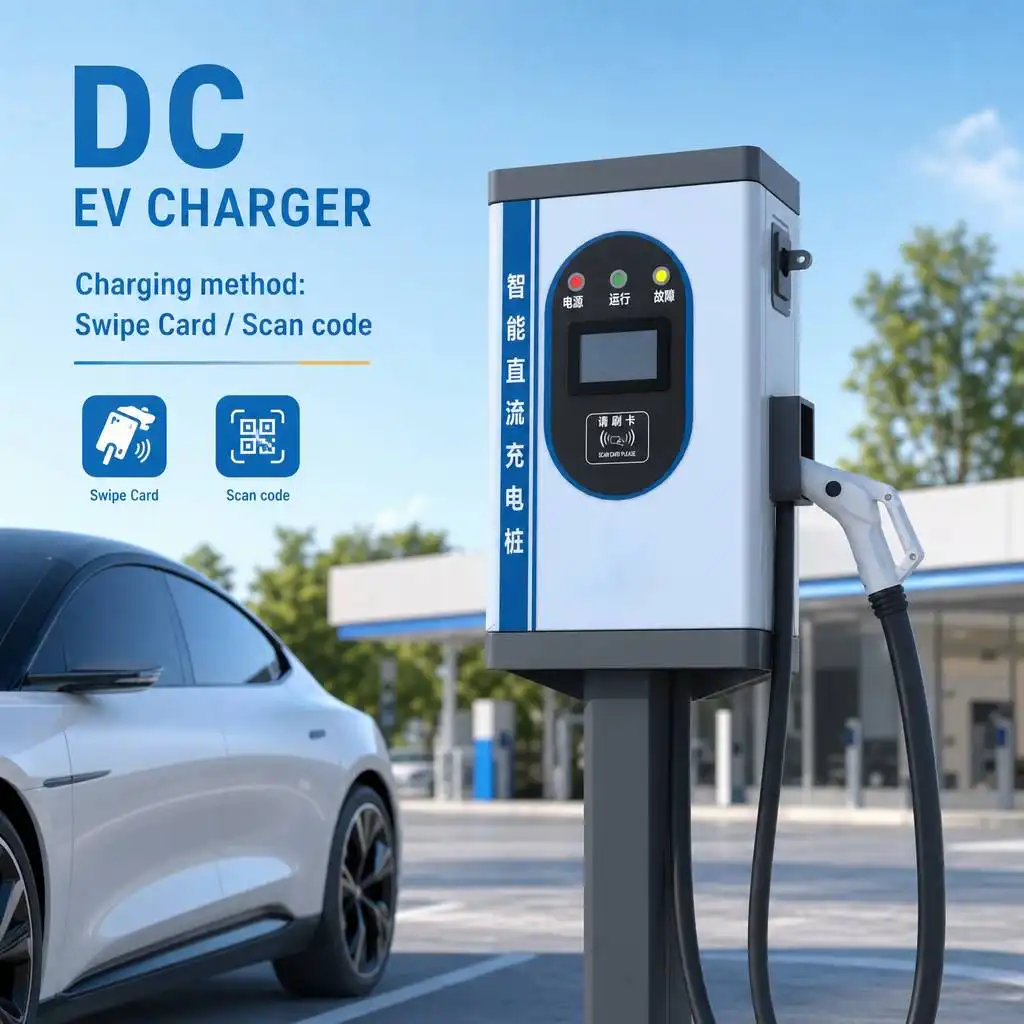
Wall units serve a single bay, floor cabinets anchor sites, and pedestal posts put the gun at kerbside height.

Wall-Mounted CCS Chargers

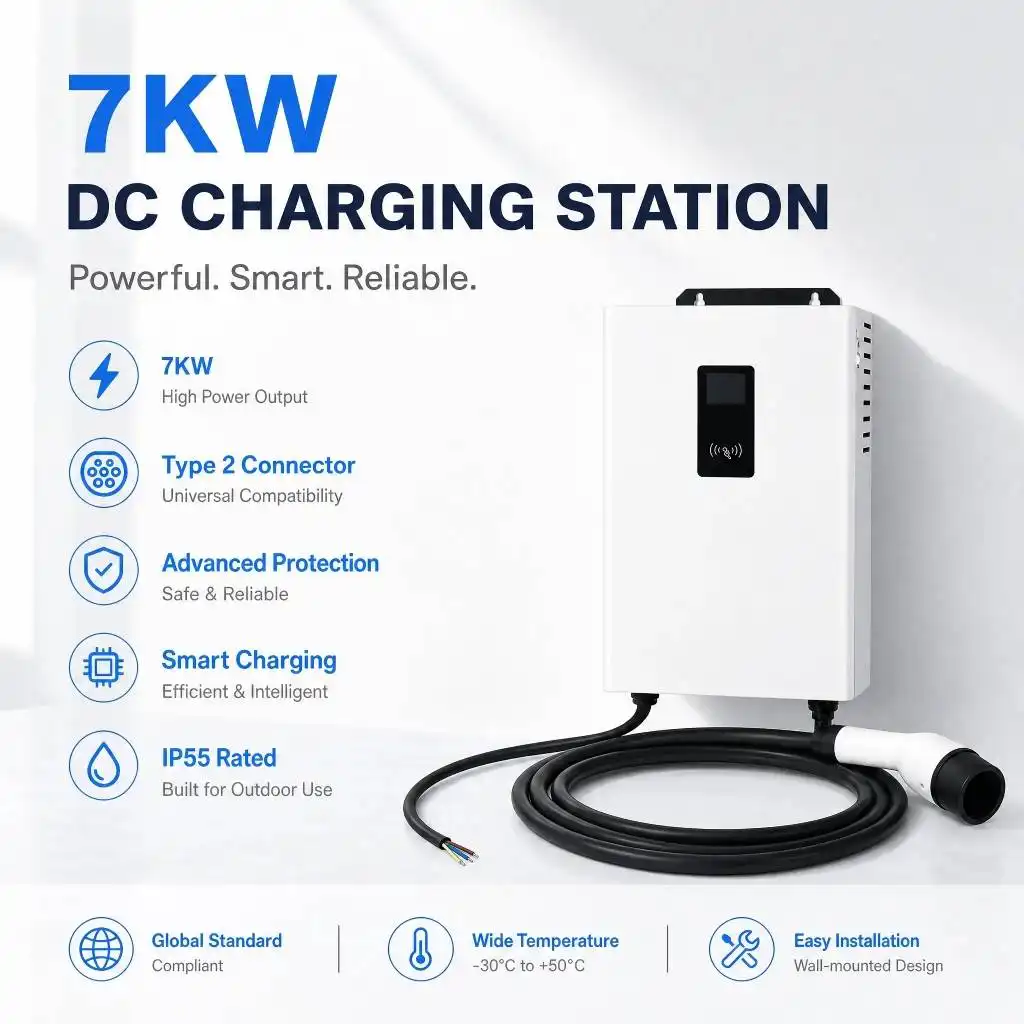
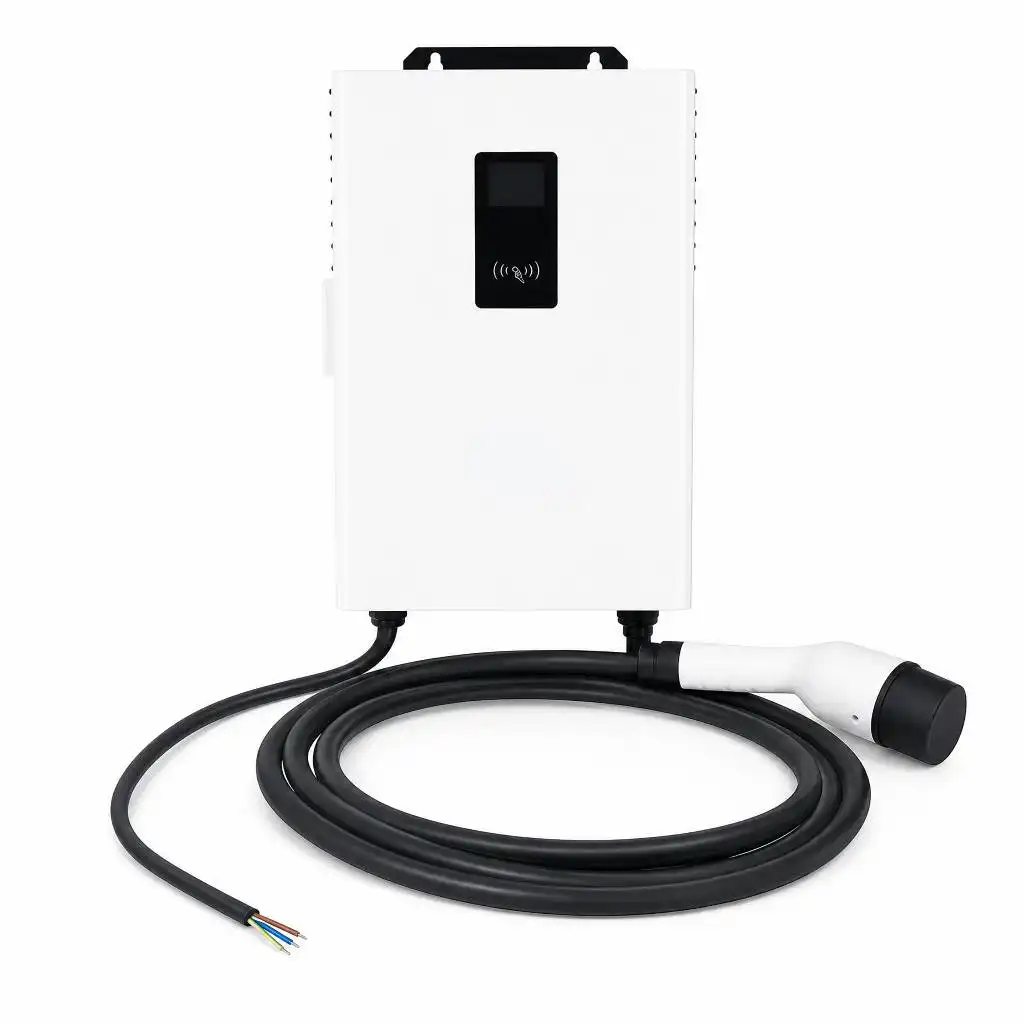
Compact 7–30 kW units fix to a wall on a dedicated circuit. The 7 kW DC wall box is the smallest CCS format and suits home garages and small business bays where a single vehicle charges at a time.
Pedestal-Mounted CCS Chargers

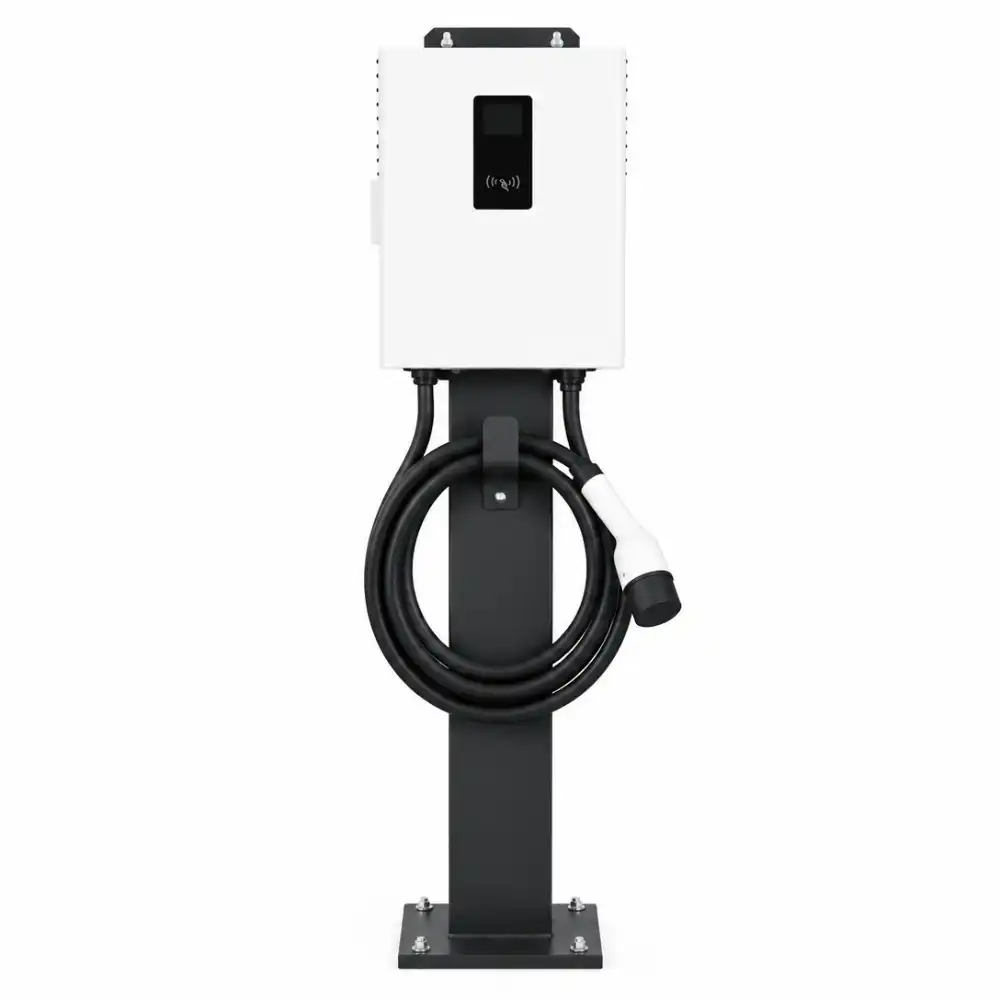
Pedestal stations put the CCS gun at an accessible height where no wall exists — parking islands, curbside bays and dealer forecourts. The base design accommodates the installation of protective bollards.
Floor-Mounted CCS Stations

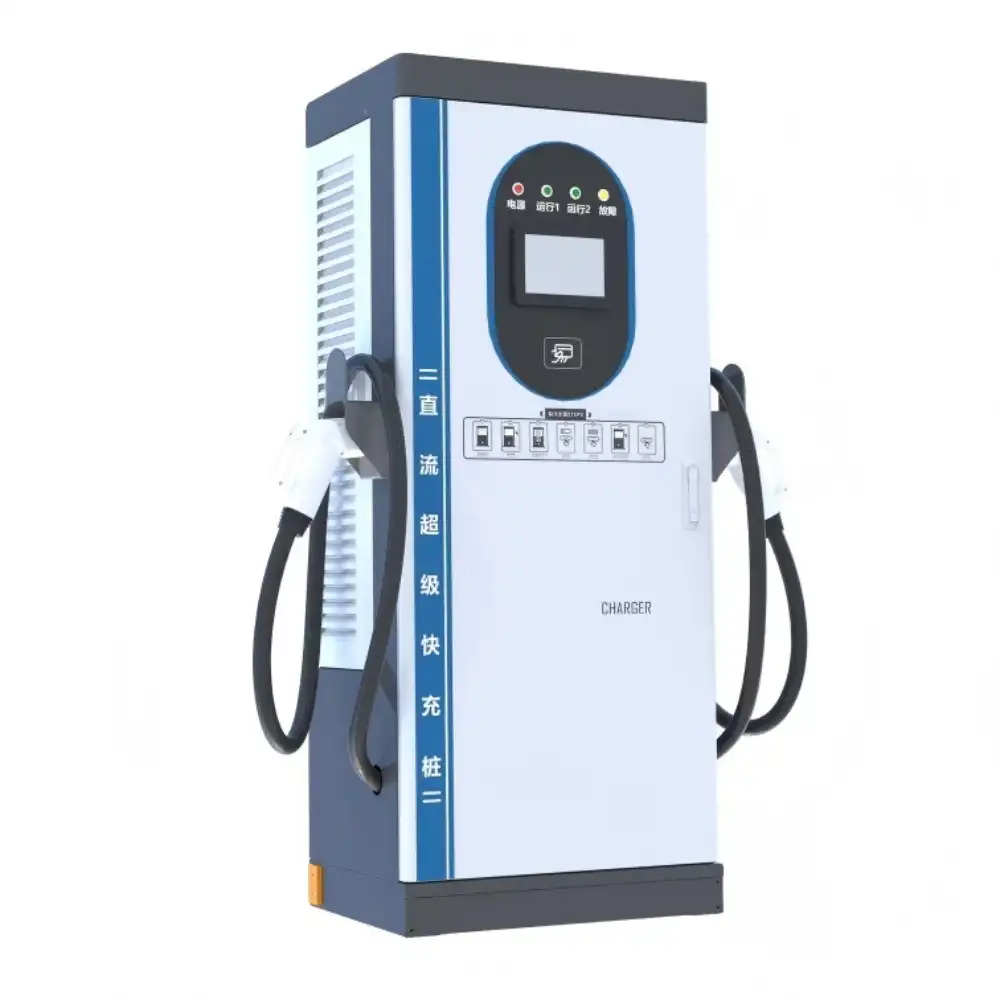
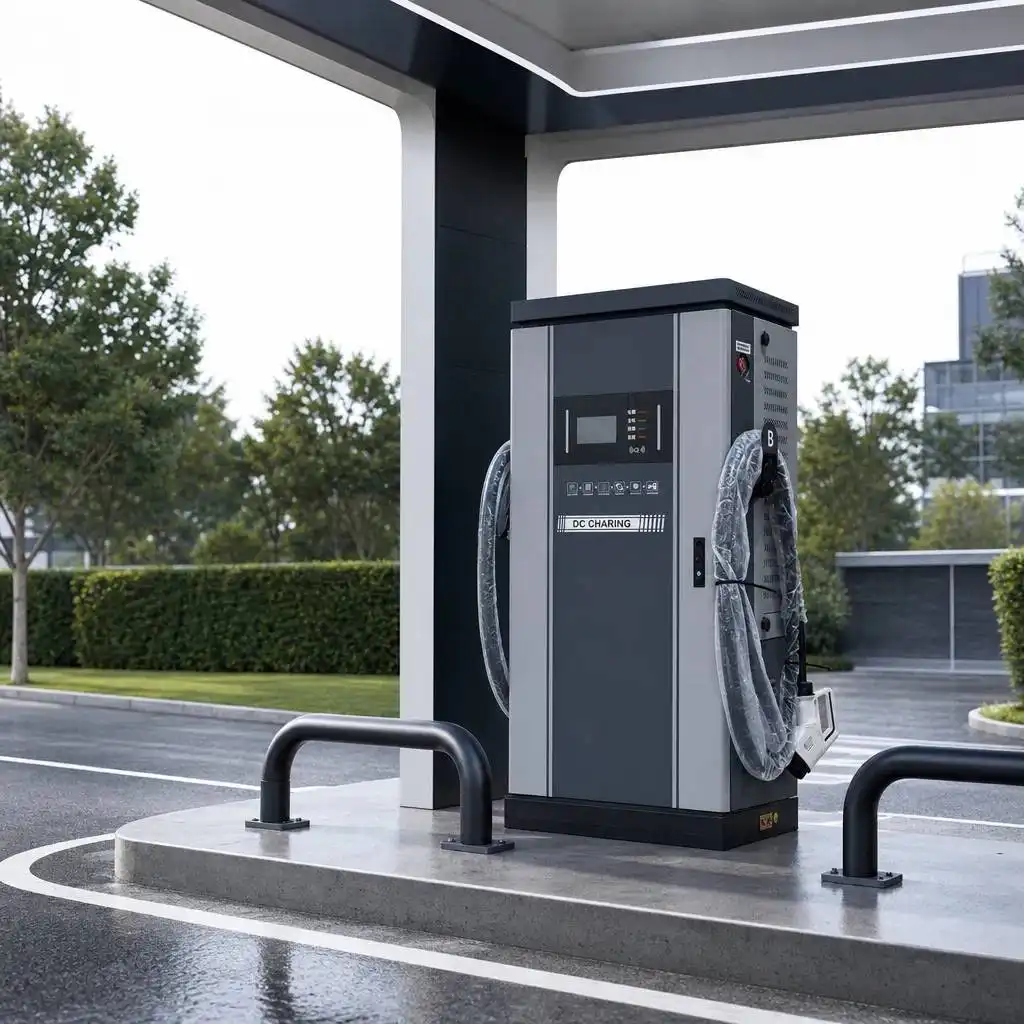
Column and cabinet units carry the heavy DC range from 40 kW to 480 kW, with bottom cable entry, forced-air cooling and dual-gun output. They are the standard format for highways, parking lots, and public hubs.
Charging levels

CCS Charging Levels and Power Options for Different Applications

DongYu offers flexible CCS charging solutions across different charging levels and power outputs,
helping B2B buyers select the right charging configuration based on charging speed, site capacity, and project requirements.

CCS Level 3 Charger

Level 3 is the DC tier. The rectifier sits inside the station rather than on board the vehicle, so the battery receives DC directly through the two power pins of the CCS coupler. A CCS Level 3 station typically restores a passenger EV from 20% to 80% in 20 to 40 minutes.

CCS Level 2 Charger

The AC pins of a CCS inlet are electrically the Type 2 or Type 1 interface, so a CCS vehicle charges at 3.5–22 kW on Level 2 hardware — 7.4 kW on a single-phase 230 V / 32 A circuit, or 11–22 kW where three-phase 400 V is available.

CCS Charger Power Ratings and Configuration Options

Match the output to the supply and the dwell time you need.
Higher tiers raise the DC current, add gun count and require larger cabinet footprints, forced-air cooling and a bigger electrical service.

Output Level DC voltage DC current Guns Best for
3.5–22 kW Level 2 (AC) — — Single Home, workplace, overnight charging
7 kW Level 3 (DC) 200–500 V up to 20 A Single Home garage, small business
20–30 kW Level 3 (DC) 200–500 V up to 75 A Single Parking lots, workshops, hotels
40–160 kW Level 3 (DC) 200–750 V up to 250 A Dual Retail, hotels, fleet depots
180–480 kW Level 3 (DC) 200–1000 V up to 600 A Dual / split Public fast-charging hubs
Why DongYu

Why choose DongYu for your next
CCS EV charging station project

One factory covers the connector standards, the power tiers and the mounting formats that a CCS project needs — with the certification evidence and OEM flexibility to match your market.

01

OEM & ODM Customization

Custom RAL colours, silk-screened or embossed logos, cable lengths from 3 to 10 m, white-labelled OCPP firmware and localised manuals and nameplates — with dedicated enclosure tooling above 1,000 units per year.

02

Quality Control & Testing

Every unit passes 100% functional and high-voltage testing before packing, with batch reports covering insulation resistance, temperature rise, IP55 water ingress, IK10 impact and 10,000-cycle connector endurance.

03

B2B Supply Capability

Distributors, installers and operators get a dedicated account engineer, technical documentation in local languages, spare-parts kits, firmware updates and container-level scheduling.

04

12-Month Warranty

Full-unit 12-month warranty with free repair and spare parts for non-man-made damage, bilingual Chinese and English support, and one-stop export packaging, customs clearance and sea or air freight.

Ready to Build Your CCS EV Charging Project?

Whether you’re planning a public charging network, fleet depot, commercial parking facility, or EV charging business,
DongYu can help you select the right CCS charger, power configuration, and installation solution for your project.

Vehicle compatibility

CCS Vehicle Compatibility: Which EVs Use CCS Charging?

CCS is the DC fast charging standard adopted by almost every automaker selling in Europe and North America.
Every battery-electric and plug-in hybrid sold in Europe since around 2018 — and most sold in North America since 2020 — carries a CCS1 or CCS2 inlet.

Brand group Examples fitted with a CCS1 / CCS2 inlet
Tesla Model 3, Model Y, Model S, Model X (European and newer global builds)
Volkswagen Group ID.3, ID.4, ID.7, ID. Buzz, Audi Q4 e-tron, Škoda Enyaq, Cupra Born
BMW & MINI i4, i5, iX1, iX3, Cooper SE, Countryman E
Mercedes-Benz EQA, EQB, EQC, EQE, EQS
Hyundai & Kia Ioniq 5, Ioniq 6, Kona Electric, EV3, EV6, EV9, Niro EV
Ford & GM Mustang Mach-E, F-150 Lightning, Chevrolet Bolt, Blazer EV, Equinox EV
Stellantis Peugeot e-208, Opel Corsa-e, Citroën ë-C4, Fiat 500e, Astra Electric
Renault Group Zoe, Megane E-Tech, Scenic E-Tech, Twingo E-Tech
Volvo & Polestar EX30, EX40, EC40, Polestar 2, Polestar 4
Chinese brands in Europe BYD Atto 3, Dolphin, Seal; MG4, MG5; ORA 03; NIO; XPeng
Commercial vehicles Ford E-Transit, Mercedes eVito / eSprinter, Renault Kangoo E-Tech, VW ID. Buzz Cargo, BYD eTP3
Where they work

CCS EV Charger Applications for Commercial and Fleet Charging

CCS EV chargers support a wide range of commercial and fleet charging projects, from public charging networks and fleet depots to workplaces and commercial properties.
DongYu provides flexible charging configurations to meet different site requirements, vehicle charging needs, and operational demands.

Highway & Public Fast-Charging Hubs

Hub sites need high throughput and multiple guns. Our 180–480 kW dual-gun stations split capacity dynamically across two vehicles, with a 200–1000 V window that covers both 400 V and 800 V architectures.

Fleet & Depot Charging

Fleet operators need efficient and predictable charging to keep vehicles ready for daily operations. DongYu CCS charging solutions can be configured for fleet depots and commercial vehicle facilities, supporting different fleet sizes, charging schedules.

Workplace & Commercial Charging

Workplaces, offices, retail centers, and hotels can deploy DongYu CCS chargers for employees, customers, and visitors. Flexible configurations adapt to electrical capacity, parking layouts, and charging demand.
FAQs

FAQs About CCS Combo charger​

What is a CCS EV charger?

A CCS EV charger is DC fast charging equipment built around the Combined Charging System connector. CCS adds two DC power pins below an AC interface — a Type 1 interface for CCS1 and a Type 2 interface for CCS2 — so one inlet handles both AC and DC charging at up to 480 kW.

CCS1 uses the Type 1 (SAE J1772) AC interface and is used in North America and South Korea. CCS2 uses the Type 2 AC interface and is the standard across Europe and most other global markets. The DC pins are the same on both, so the choice follows the region you are selling into and the vehicles your customers drive.

They are regional DC connector standards. CCS dominates Europe and North America, CHAdeMO is the Japanese standard with a dedicated DC-only coupler, and GB/T is used in China. DongYu builds all three on the same cabinet platform, so one station family can serve different markets or a dual-gun station can carry one of each.

Yes. The AC pins of a CCS inlet are electrically the Type 1 or Type 2 interface, so a CCS vehicle charges on any matching Level 2 AC charger at 3.5–22 kW. DC fast charging uses the additional DC pins and is what delivers the 20–480 kW rates.

7–30 kW suits home and small commercial use. 60–160 kW is the working range for retail, hotels and fleet depots. 180 kW and above is for public fast-charging hubs where vehicles must be turned around in 20 to 30 minutes. Match the rating to your available supply, since higher tiers need a larger electrical service.

Yes. Units are designed to IEC 61851-23 and IEC 62196-3 and supplied with CE, RoHS and REACH documentation. MID-certified metering, ISO 15118 plug-and-charge and TÜV or SGS test reports can be supplied per order.

get in touch