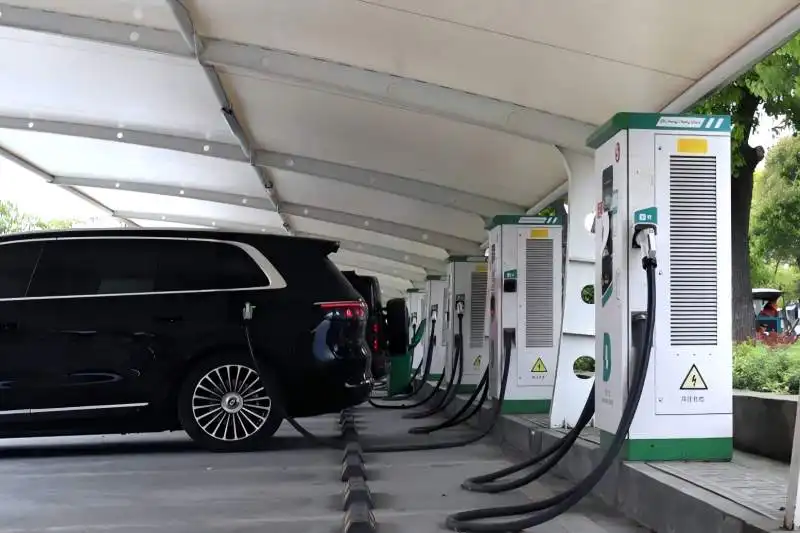
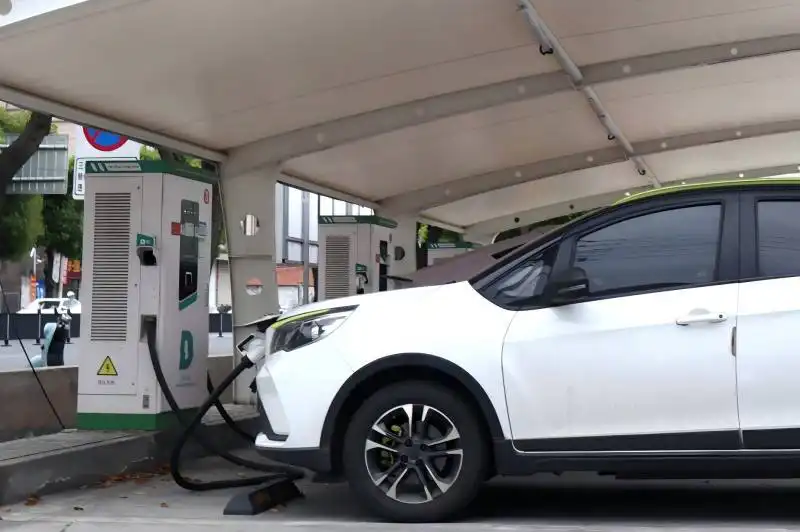

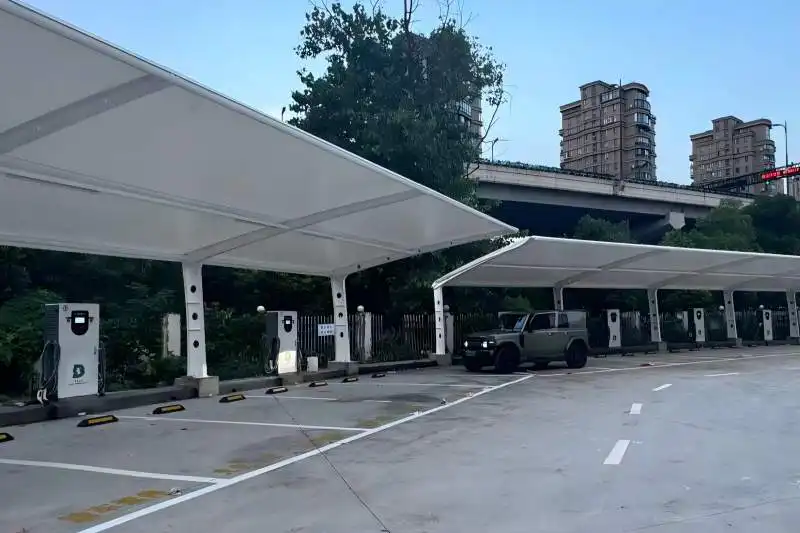
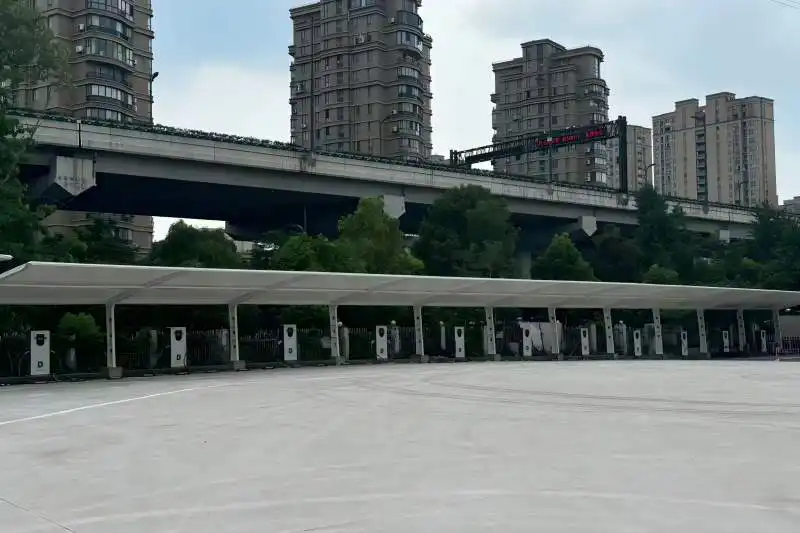
DongYu is a level 3 EV charger manufacturer building DC fast charging stations from 7 kW to 480 kW for distributors, charging operators and fleet owners worldwide. Every unit delivers 200–1000 V output with CCS1, CCS2, CHAdeMO or GB/T connectors, OCPP 1.6J remote management and IP54/IP55 protection. Backed by our own factory, five production lines and live charging sites in China, we supply proven level 3 EV charging hardware with OEM/ODM branding and factory-direct pricing.
DC fast chargers from 7 kW to 480 kW, plus AC chargers, connectors, cables and cross-standard adapters — a complete level 3 EV charging range from one factory partner.
A 12-month full-unit warranty, OEM & ODM programs for your own brand, bilingual support and one-stop logistics keep your level 3 EV charger line supplied and growing.
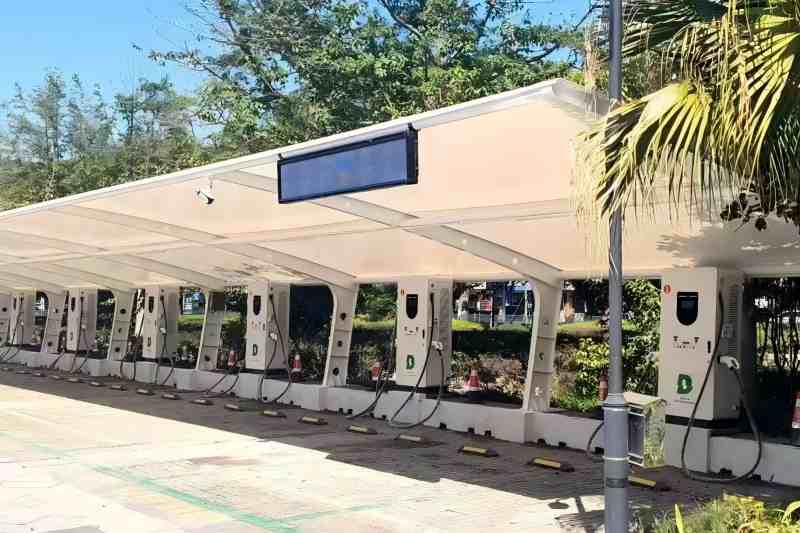
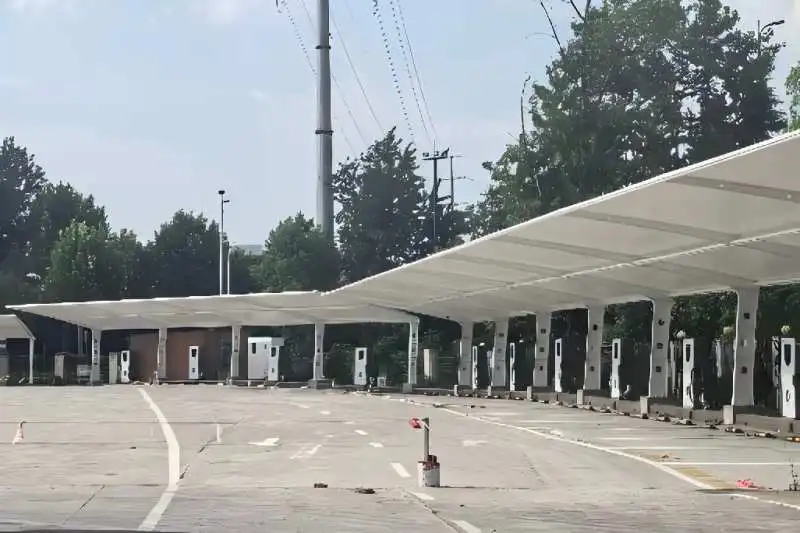
From our Ningbo factory we operate our own EV charging stations in China, so every level 3 EV charger is field-tested in live daily operation before it ships.
CE, CB, RoHS and TUV Mark alignment, IEC 61851-1 and IEC 62196-2 standards, IP54/IP55 ratings and a full protection suite ship with every unit.
Power is not the only decision. Sizing a level 3 EV charger means matching four variables to your site — dwell time, grid capacity, daily throughput and growth headroom — before you fix a model.
01
Two-hour stays suit 20–30 kW; thirty-minute turns need 60–160 kW; corridor and highway sites start at 240 kW. Longer dwell lets you buy less power per bay.
02
Confirm your three-phase connection and transformer headroom before specifying output. DongYu chargers accept 380/400/480 VAC input and use dynamic current sharing to stay inside an existing supply.
03
Estimate peak and off-peak throughput. A single-gun unit suits scheduled depot charging; dual-gun cabinets at up to 300 A per gun raise utilisation where arrival times overlap.
04
Specify a platform you can extend — 200–1000 V output already covers 400 V and 800 V vehicles, so one hardware family serves today's fleet and the next one.
Tell us your market, target power and installation format — DongYu's export team returns a full specification sheet,
lead time and factory-direct quotation. OEM/ODM branding and cable length available across the range.
A level 3 EV charging station is a DC fast charger that converts grid AC power into DC inside the cabinet and delivers it straight to the battery, bypassing the vehicle’s onboard charger.
That is why a level 3 EV charger reaches 20–480 kW and adds hundreds of kilometres of range per hour, instead of the 7–22 kW ceiling of AC charging. Three stages do the work.
Grid current arrives through a three-phase supply; an internal rectifier turns it into high-voltage DC. DongYu units output a 200–1000 V window that serves both legacy 400 V vehicles and new 800 V platforms on the same hardware.
Over CCS, CHAdeMO or GB/T, the charge controller and battery management system agree on the safe voltage and current for that specific pack and state of charge.
Power tapers as the pack fills, so most level 3 EV charging sessions reach 80% in roughly 20 to 40 minutes — fast enough for a highway stop or a fleet turnaround.
Level 3 DC fast chargers offer different power outputs and voltage ranges to accommodate various electric vehicles and charging scenarios.
Understanding these specifications helps businesses choose the right charger for faster charging, efficient operation, and future expansion.
| Power class | Rated power | Output voltage | Max current | Range added | Typical site |
| Compact | 7 kW | DC 750 V | 22 A | ~40 km/h | Home, pilot sites |
| Destination | 20 / 30 kW | DC 200–1000 V | 60–80 A | ~120 km/h | Destination, small fleets |
| Urban public | 40 / 60 kW | DC 200–1000 V | 100–150 A | ~250 km/h | Urban public, depots |
| Fast | 80 / 120 kW | DC 200–1000 V | 200 A | ~500 km/h | Retail, corridor |
| Fast | 160 / 180 kW | DC 200–1000 V | 250–300 A | ~700 km/h | Retail, highway |
| Ultrafast | 240 kW | DC 200–1000 V | 250 A | Ultrafast | Highway hubs |
| Ultrafast | 320–480 kW | DC 200–1000 V | 300 A per gun | Ultrafast | Highway hubs, HD fleets |
Where you can mount a level 3 EV charger decides how much civil work a site needs.
DongYu builds three formats — wall, pedestal and floor — so one DC platform fits garages, car parks and highway hubs alike.

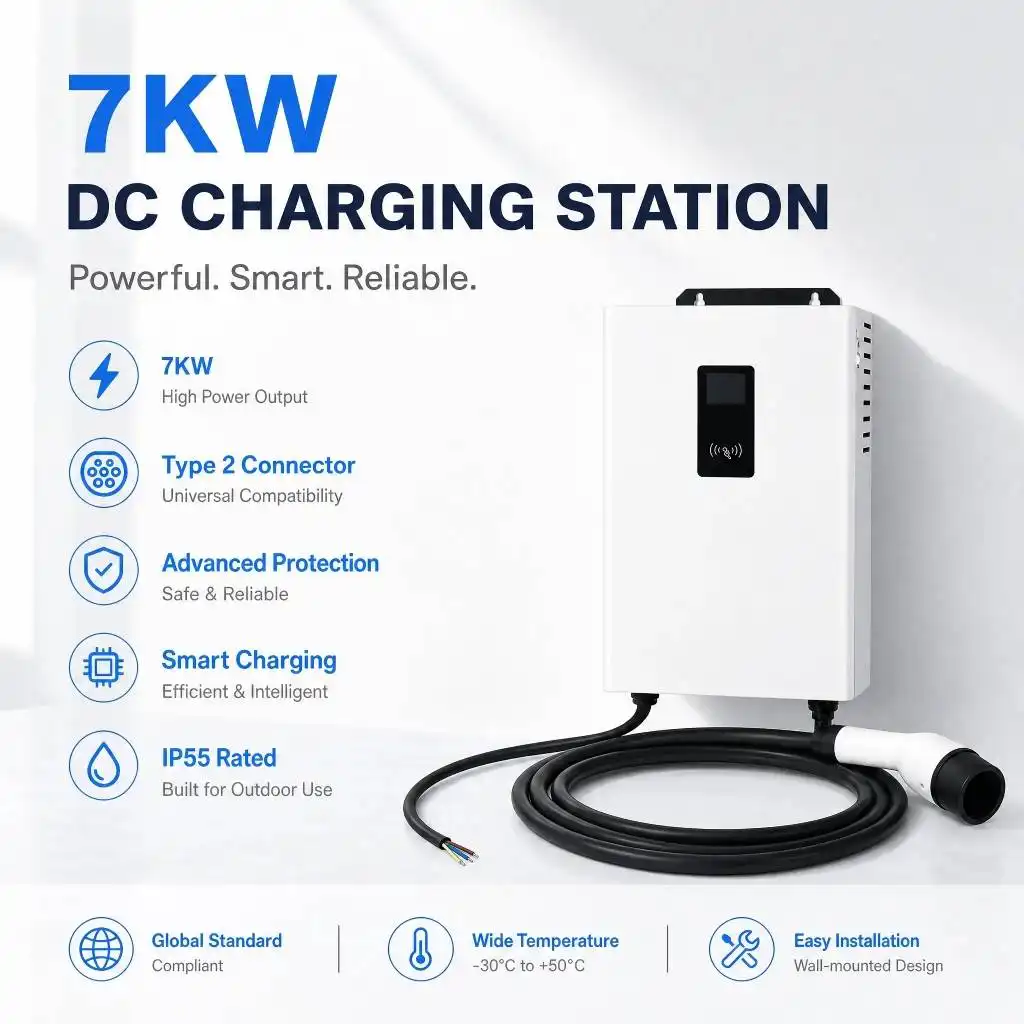
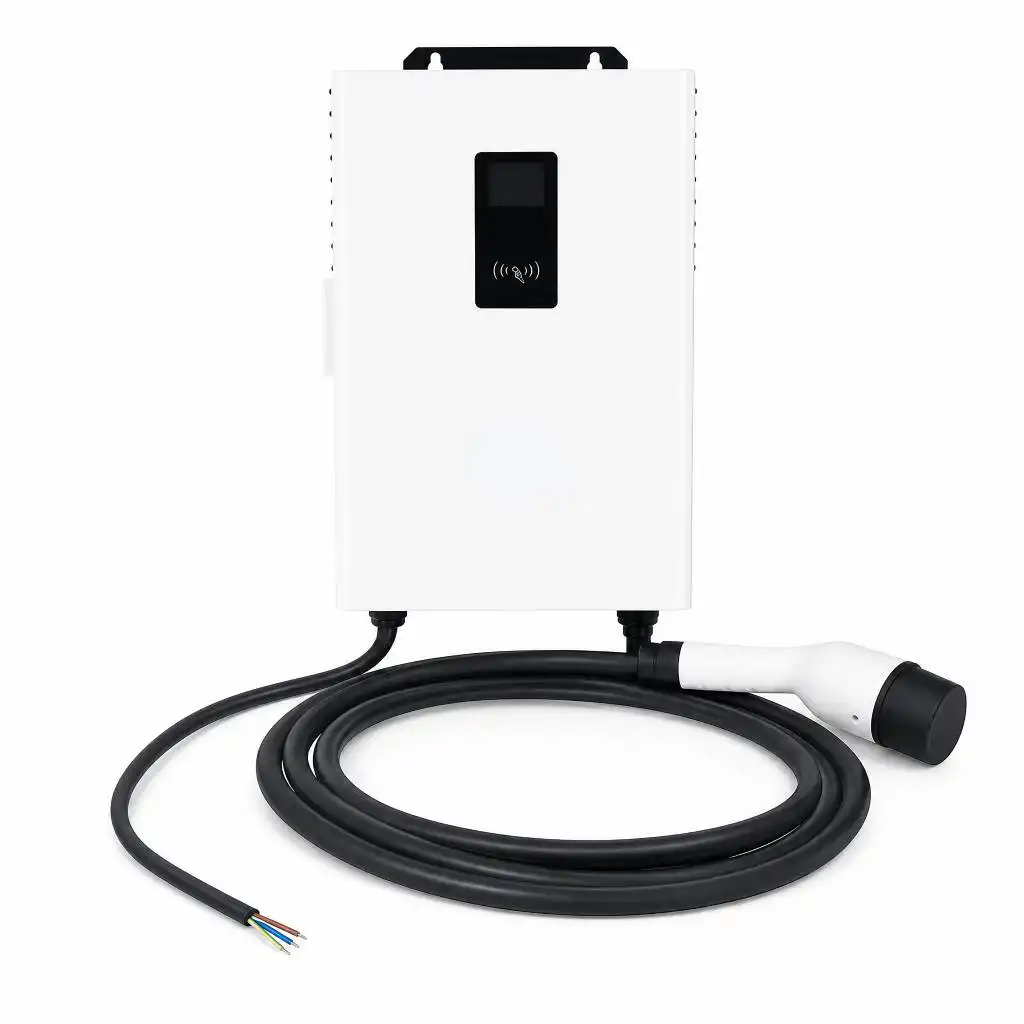
The 7 kW model 7100 mounts on any wall in a PC + PA66, IP55/IK08 enclosure, keeps parking bays clear and cuts civil-works cost. Ideal for garages and dealership lanes.
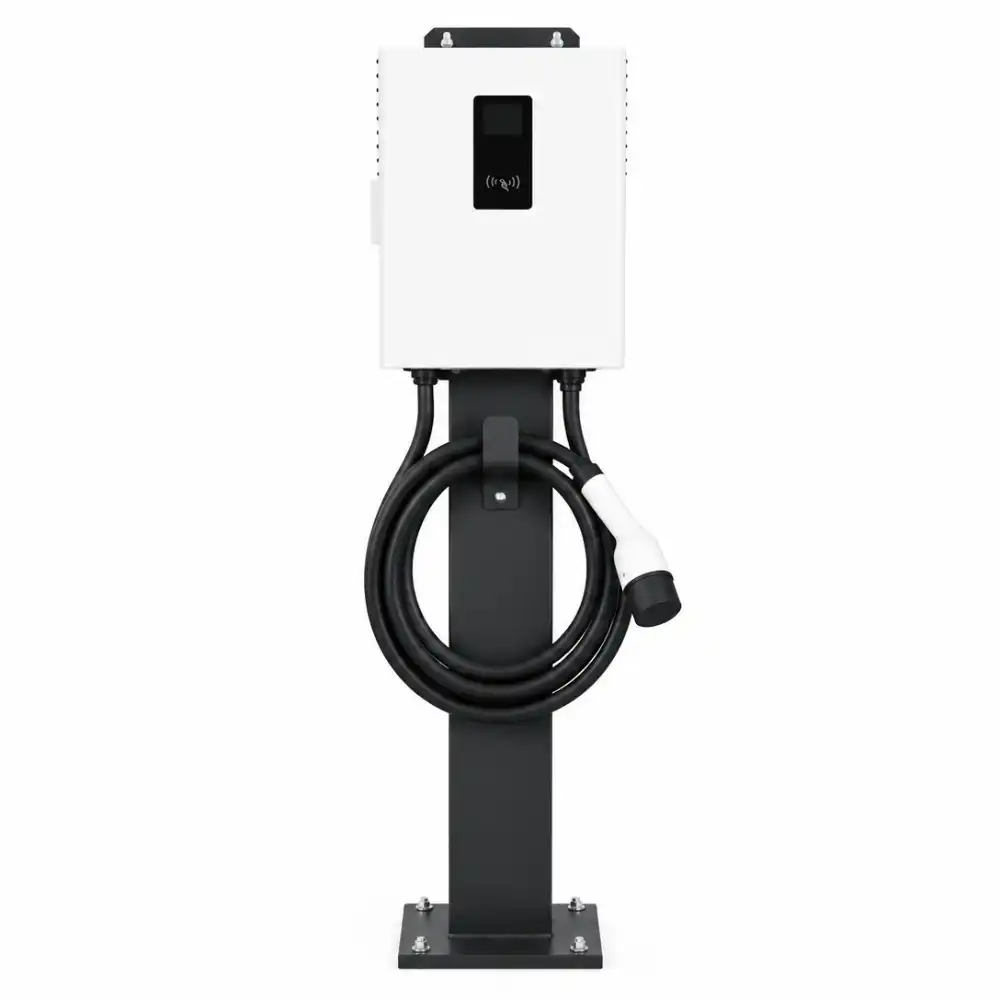
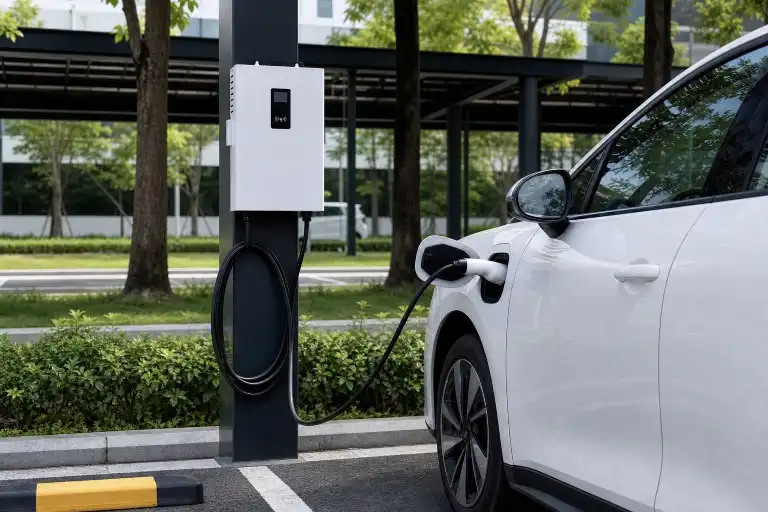
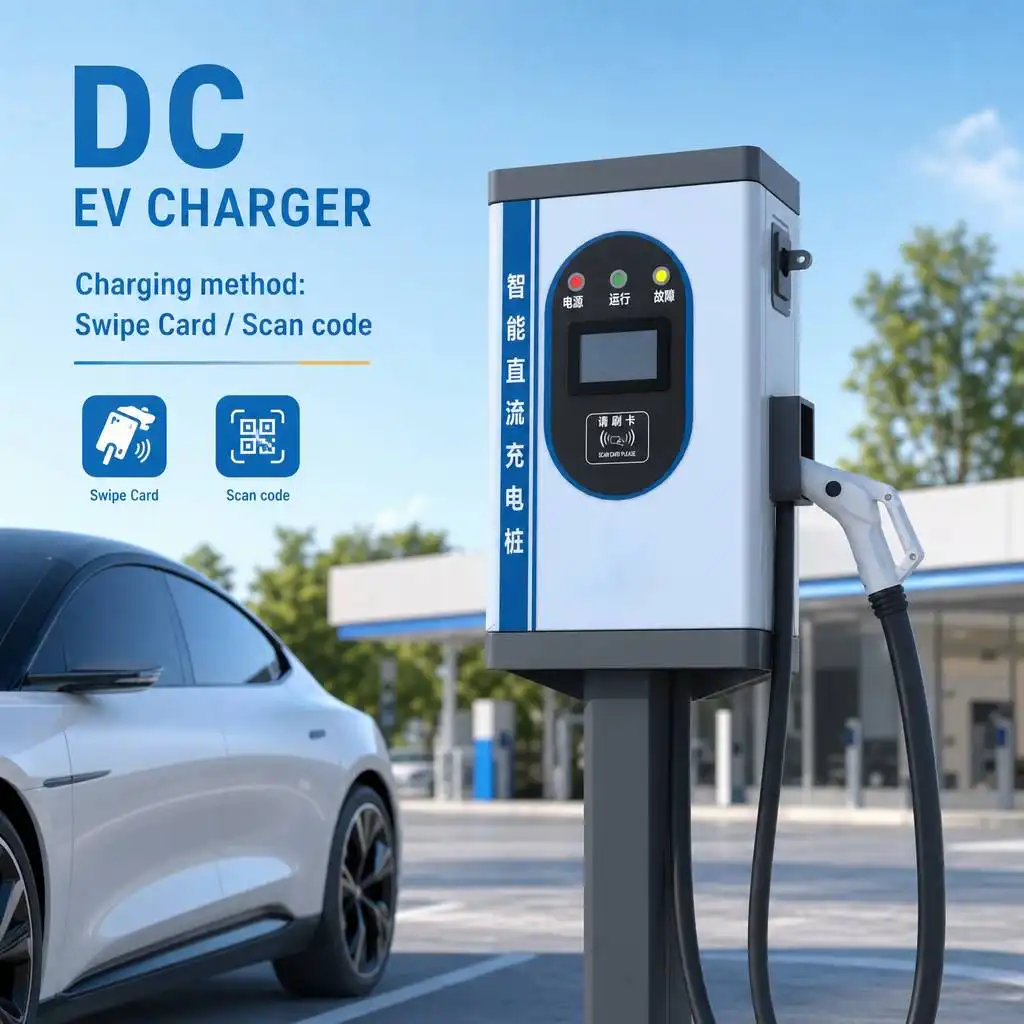
Free-standing 20–30 kW units on a pole need no wall at all, suiting open car parks and forecourts. Their visible footprint and 4G link make them easy to find and manage.
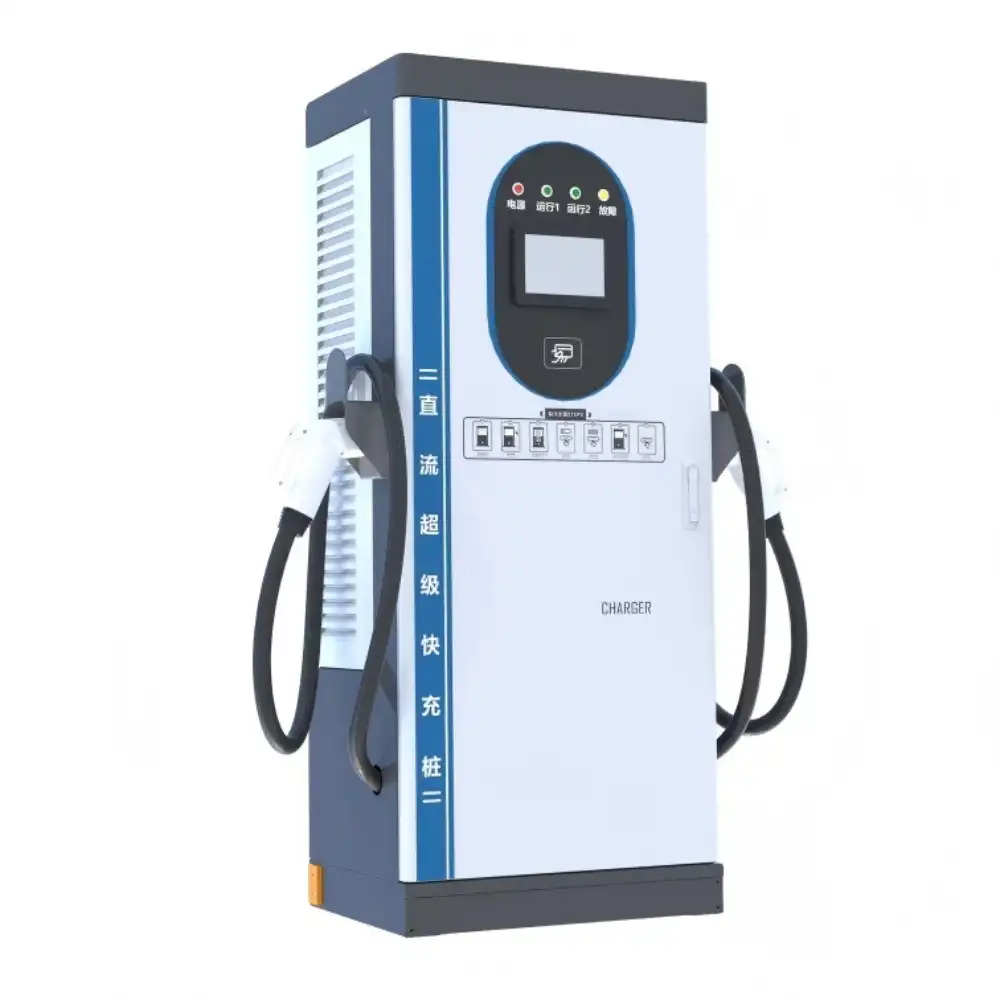
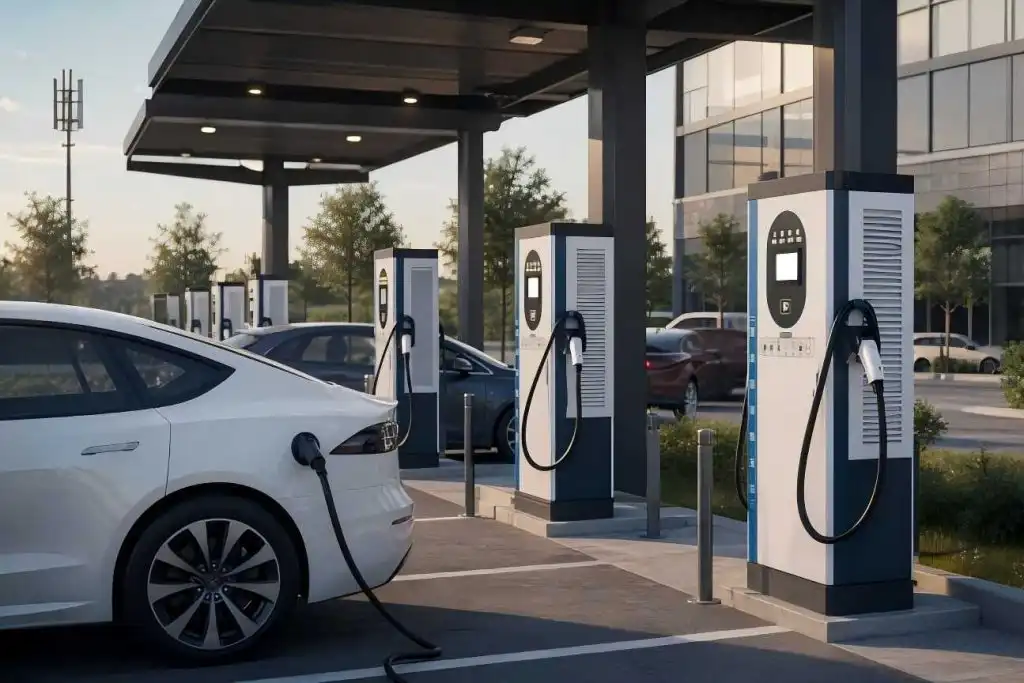
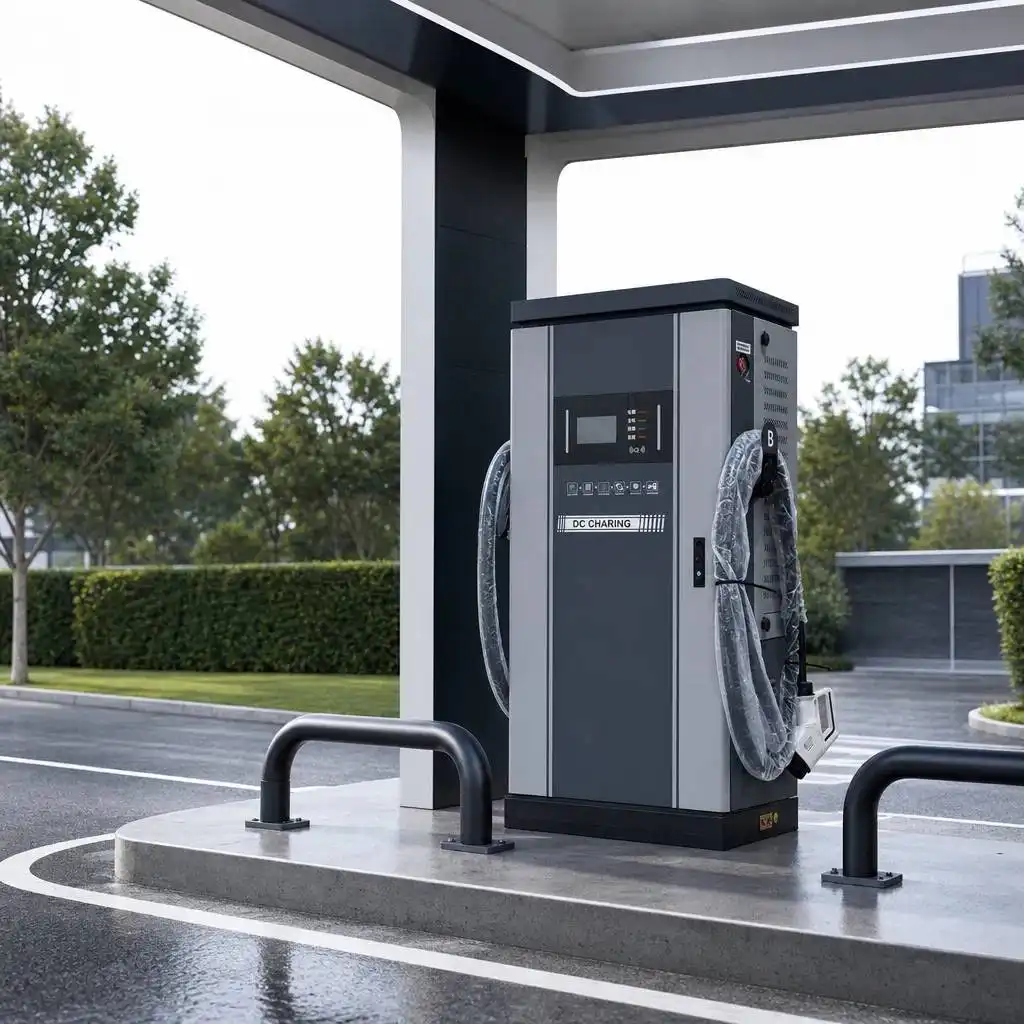
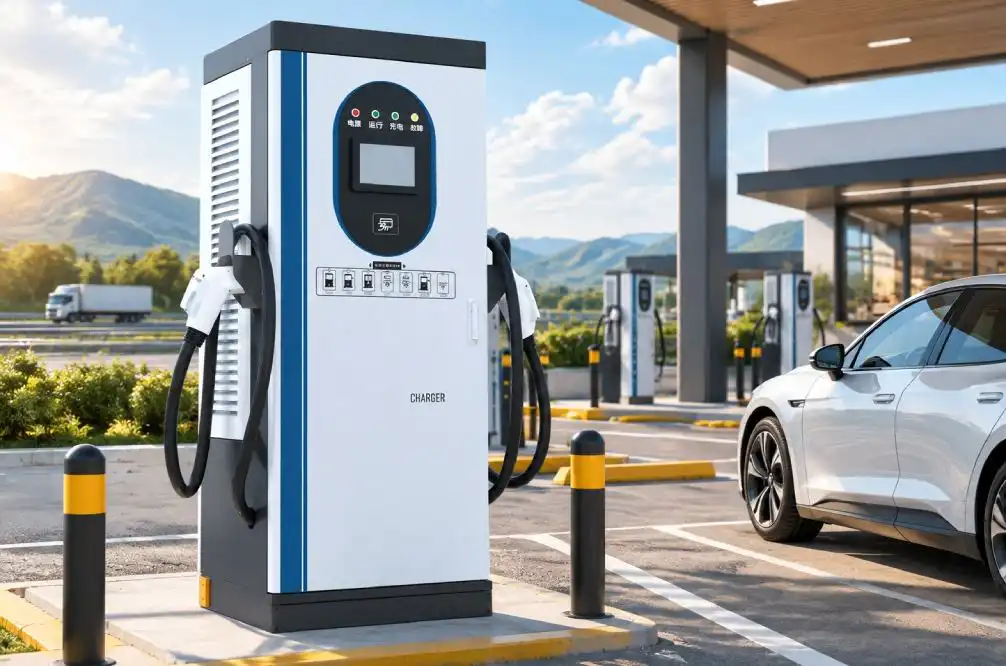
Carbon-steel 40–480 kW cabinets with bottom cable entry and forced-air cooling handle unattended public duty. Dual guns deliver up to 300 A each on a 200–1000 V platform.
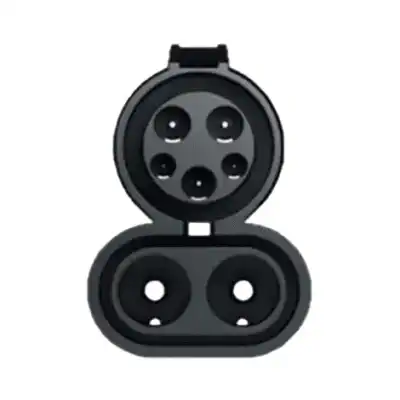
Connector standard decides which vehicles a level 3 EV charger can serve, so it is the first specification to fix.
DongYu builds global standards and supplies cross-standard adapters for mixed fleets.

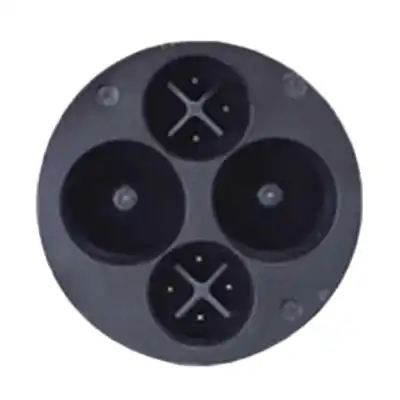
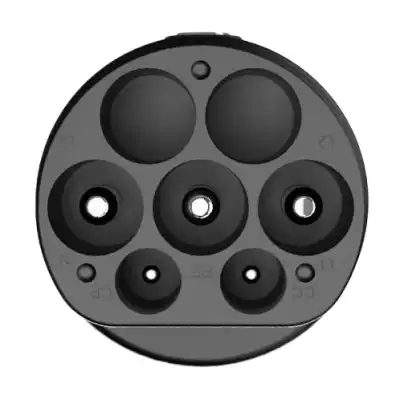
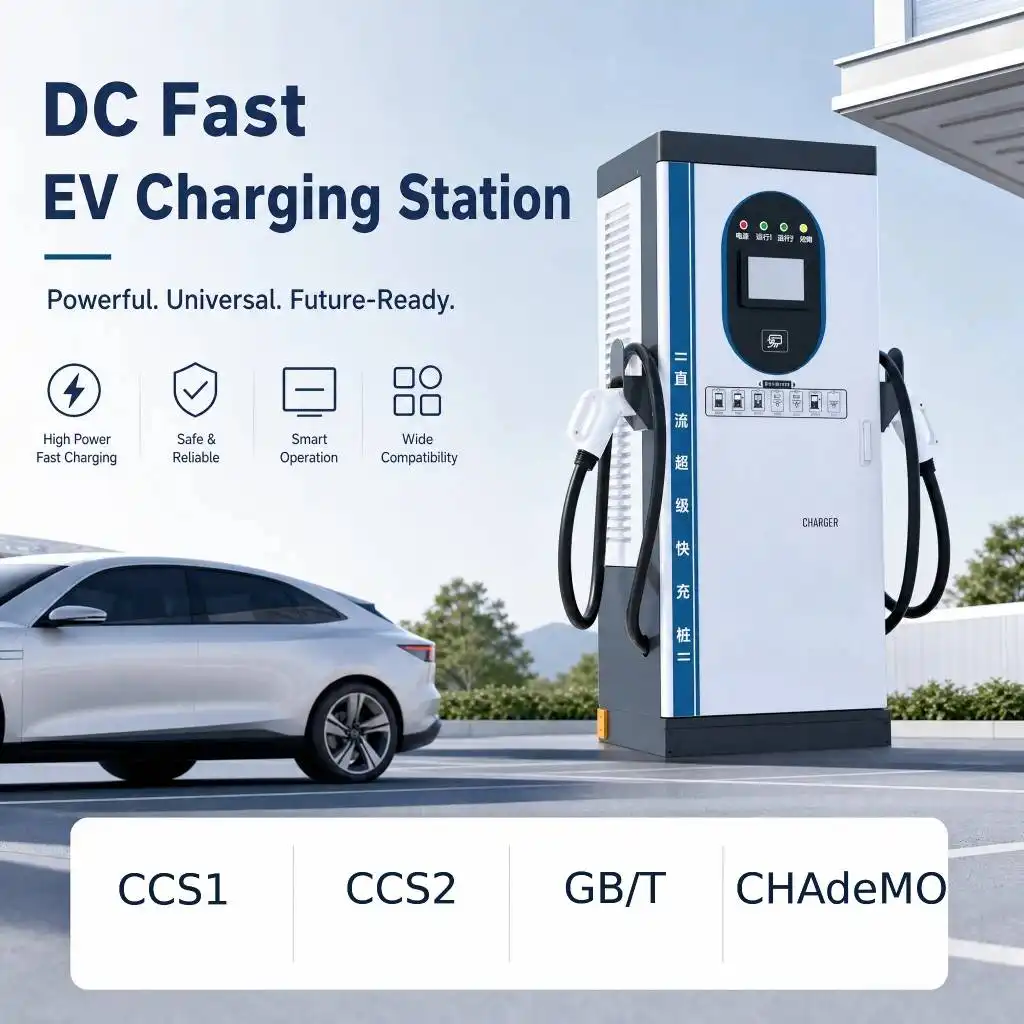
The CCS1 (480 V) and CCS2 (400 V) standard covers most North American and European EVs, combining AC and DC pins in one inlet and supporting up to 300 A per gun.

CHAdeMO keeps Japan-market and legacy vehicles — Nissan LEAF-class and similar — charging on the same network, and runs alongside CCS in a multi-standard dispenser.

GB/T is the Chinese national standard for DC fast charging, rated 380 V three-phase input and widely adopted across China and in GB/T-aligned export markets.
Modern Level 3 EV charging stations offer smart connectivity and energy management features
that can improve operational efficiency, simplify charging management, and create new opportunities to increase charging revenue.
App & Wi-Fi Control
Drivers start and stop sessions, watch live status and see tariffs from a phone app, while owners push firmware and configuration over Wi-Fi without a site visit.
RFID access for instant command
RFID cards give fleets and subscribers tap-and-charge access in a second, with usage tied to an account for simple billing and reliable access control.
OCPP 1.6 JSON integration
OCPP 1.6J lets every DongYu level 3 charger connect to mainstream charging management platforms, so sessions, faults and revenue export to the back office you already run.
Smart Load Management
Dynamic current sharing spreads available site capacity across connected vehicles, so multiple level 3 chargers run from the existing supply without tripping the main breaker.
Dynamic Pricing & Time-of-Use Integration
Set per-kWh, per-minute or session tariffs by time of day, then follow grid Time-of-Use windows automatically — rewarding off-peak charging and protecting your margin at peak.
Level 3 charging pays back fastest where dwell time, grid capacity and traffic all line up.
These are the residential and commercial locations where DongYu partners deploy level 3 EV chargers most successfully.
Residential Level 3 chargers provide fast and convenient EV charging for apartments, residential communities, and multi-family properties with high charging demand. They help property owners offer premium charging services while improving convenience for residents and supporting future EV adoption.
Most driveways only have a single-phase 176–264 V supply available. A 7 kW wall-mounted DC charger brings DC-protocol charging to a single-family driveway on an ordinary 176–264 V single-phase supply, with IP55 protection and a 5 m cable.
One building supply must serve many residents without a costly upgrade. Shared garages use smart load management and RFID to spread building capacity across many residents, so a multifamily site adds level 3 charging without a costly supply upgrade.
Commercial Level 3 charging stations are ideal for shopping centers, hotels, offices, retail locations, and other high-traffic destinations where drivers need fast charging. By reducing charging time and increasing vehicle turnover, they can enhance customer satisfaction while creating additional revenue opportunities.
Shoppers stay about an hour, so payback depends on high turnover per bay. 40–120 kW floor-mounted units match a one-hour shopping dwell, turning parking bays into revenue with swipe- or scan-code payment and an optional advertising screen.
Guests expect a reliable top-up without a long wait at check-in. A 60–160 kW station gives guests a top-up during dinner or an overnight stay, while the optional advertising screen promotes on-site services to every driver.
Every idle hour is lost revenue, so charging must fit shift patterns. 20–160 kW units recharge vans and trucks during loading windows and shift changes, with Plug & Charge for drivers and centralised 4G monitoring for depot managers.
Long-distance drivers will not queue, and the site must run unattended. 240–480 kW dual-gun chargers at 300 A per gun cut corridor dwell time for long-distance drivers, in IP54/IK08 carbon-steel cabinets built for around-the-clock outdoor duty.
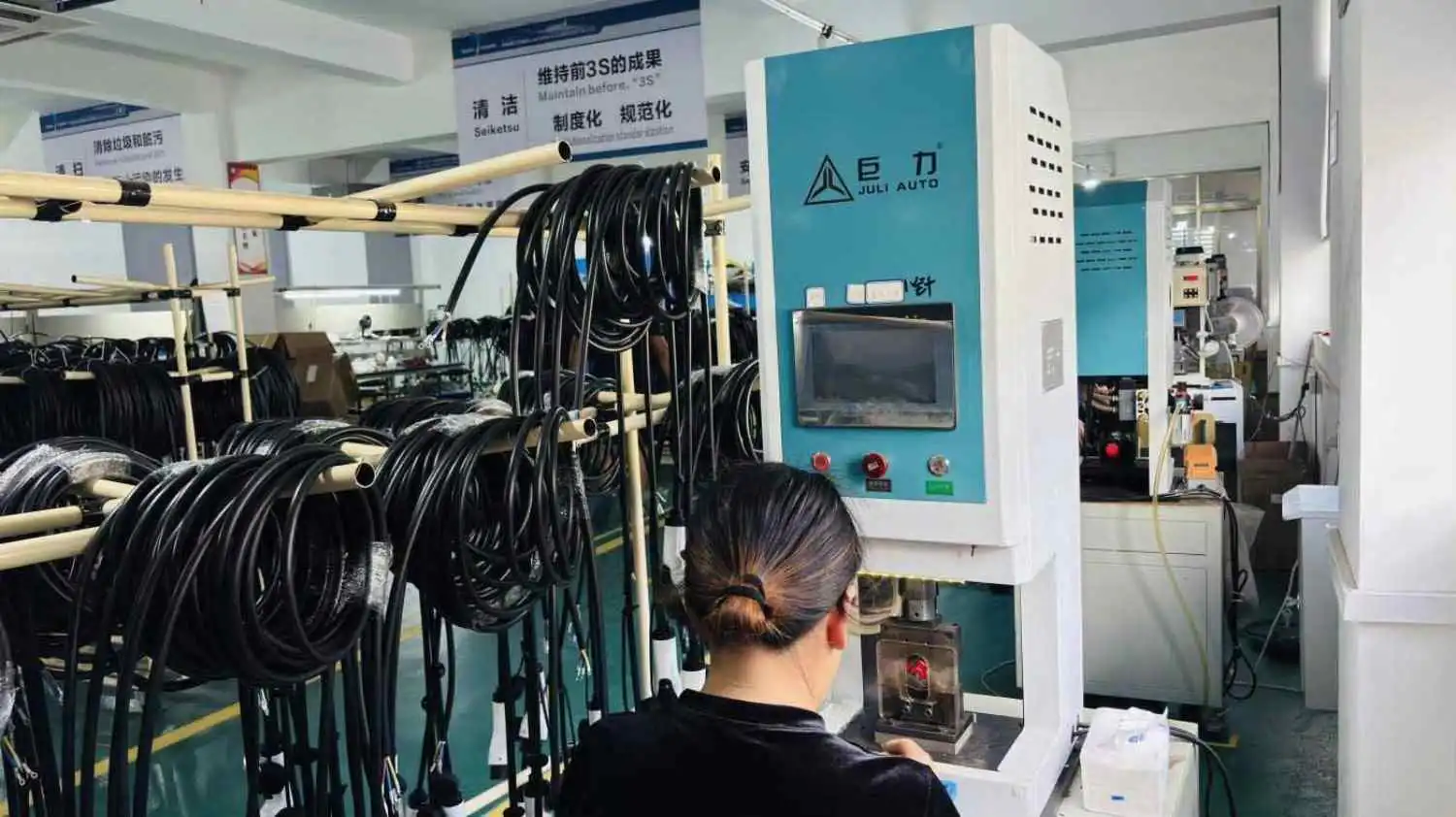
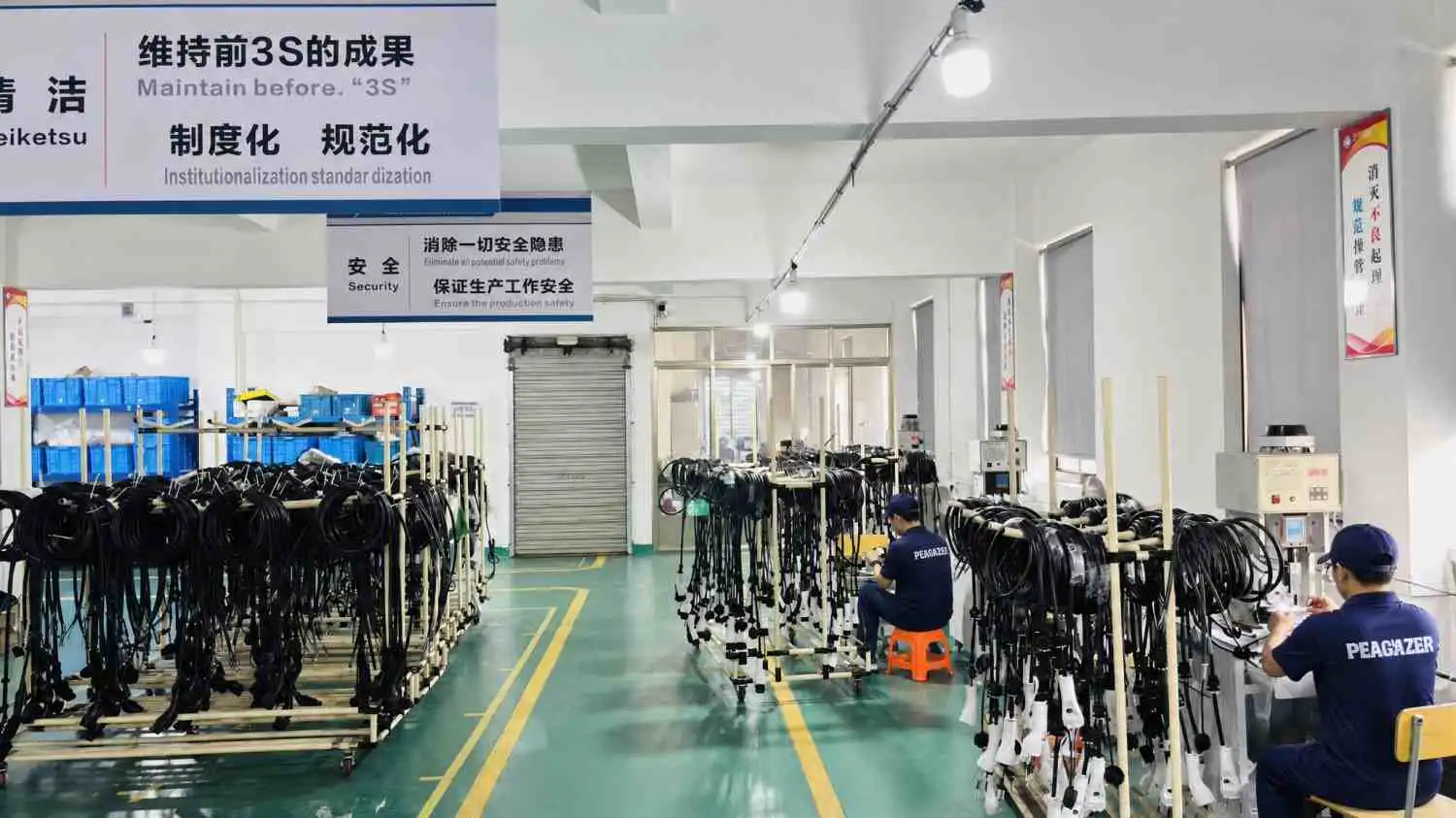
Production capacity and lines
Five production lines and a 200-strong team in Ningbo cover AC and DC assembly under ISO 9001, giving repeatable lead times from sample approval through to volume shipment.
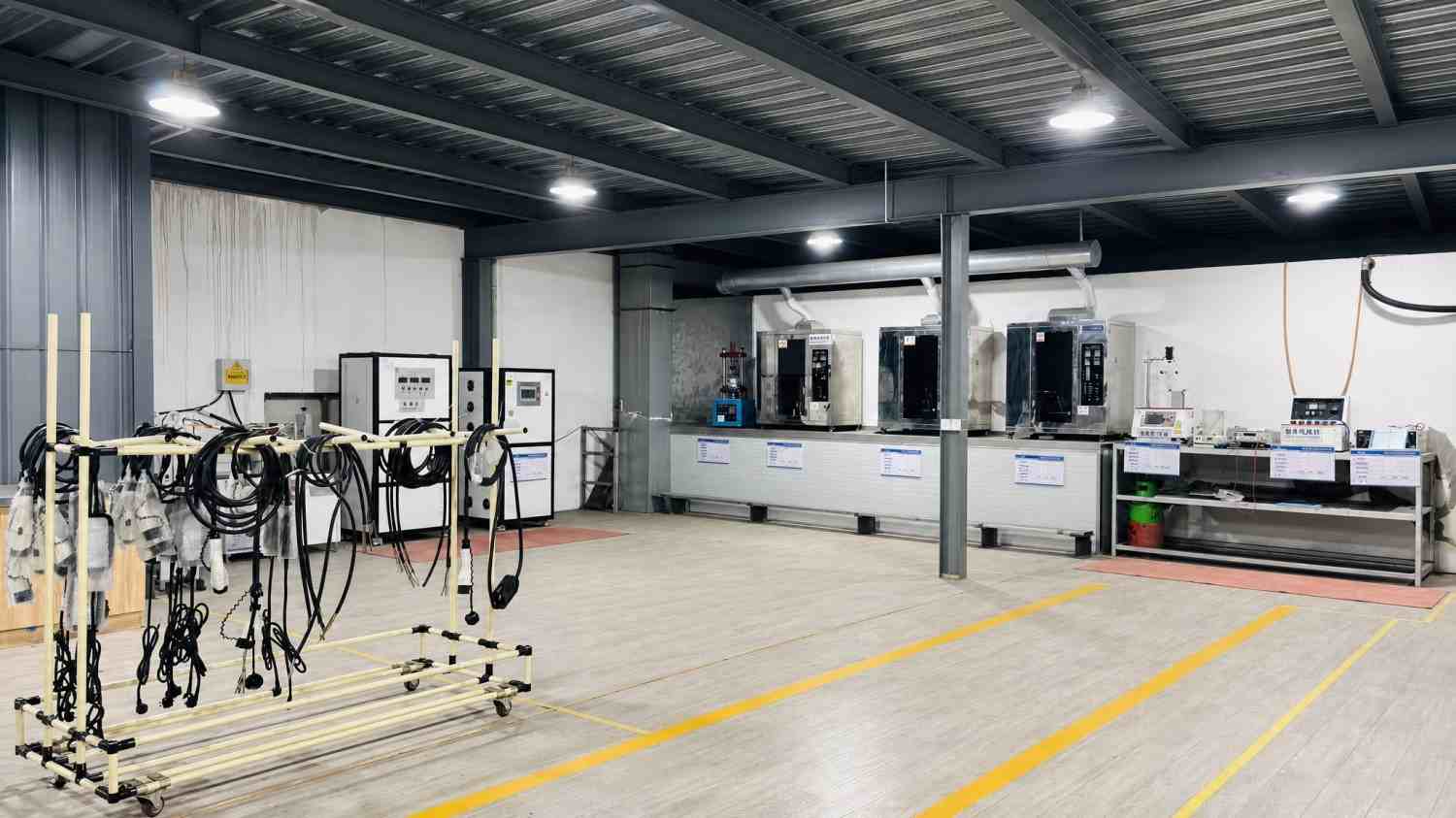
Incoming and in-process QC
Components are inspected on arrival and checked at each assembly stage, including power-module and control-board testing, before units move to the final assembly line.
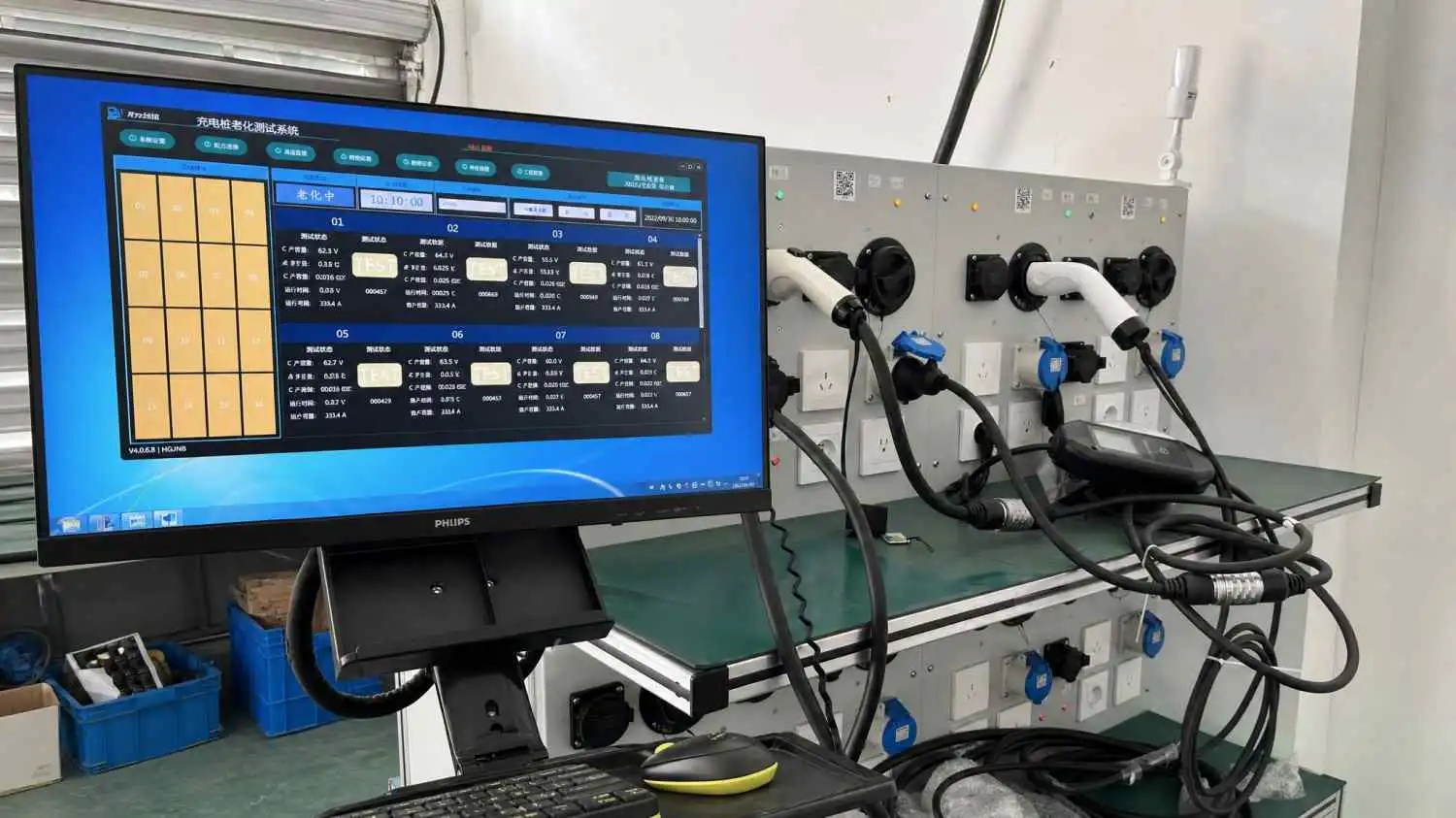
Full-load & ageing testing
Every unit runs through load and burn-in testing against IEC 61851-1 and IEC 62196-2, verifying the eight-layer protection suite, IP and IK sealing, and a 17,520-hour MTBF target.
Field validation & traceability
Units are deployed and monitored at our own charging sites in China before shipping, and each batch stays traceable to its test records for after-sales and spare-parts support.


A level 3 EV charger, also called a DC fast charger, converts AC power to DC inside the station and feeds the battery directly. Bypassing the onboard charger lets it reach 20–480 kW, far above the 7–22 kW ceiling of AC charging.
Most level 3 charging sessions reach 20–80% in roughly 20 to 40 minutes. Exact time depends on battery size, state of charge and the vehicle’s maximum acceptance rate — a 480 kW station still charges a 50 kW-limited car slowly.
Match the standard to your market: CCS1 (480 V) for North America, CCS2 (400 V) for Europe, GB/T (380 V) for China and CHAdeMO for Japanese or legacy vehicles. DongYu builds all four and supplies cross-standard adapters for mixed fleets.
Match power to dwell time and grid capacity: 20–30 kW for two-hour stays, 60–160 kW for 30-minute turns, and 240 kW or more for highway corridors. Leave headroom — 200–1000 V output already covers 400 V and 800 V vehicles.
A level 3 charger needs a three-phase supply sized for simultaneous output — 380, 400 or 480 VAC at 50/60 Hz — plus transformer headroom. Wall units need a load-bearing wall; pedestal and floor cabinets need a cast foundation with bottom cable entry.
Yes. As a factory-direct manufacturer we run OEM and ODM programs covering logo, power output, plug standard, enclosure appearance and packaging. Minimum order quantity starts at just 1 unit, and samples are available before you commit to volume production.