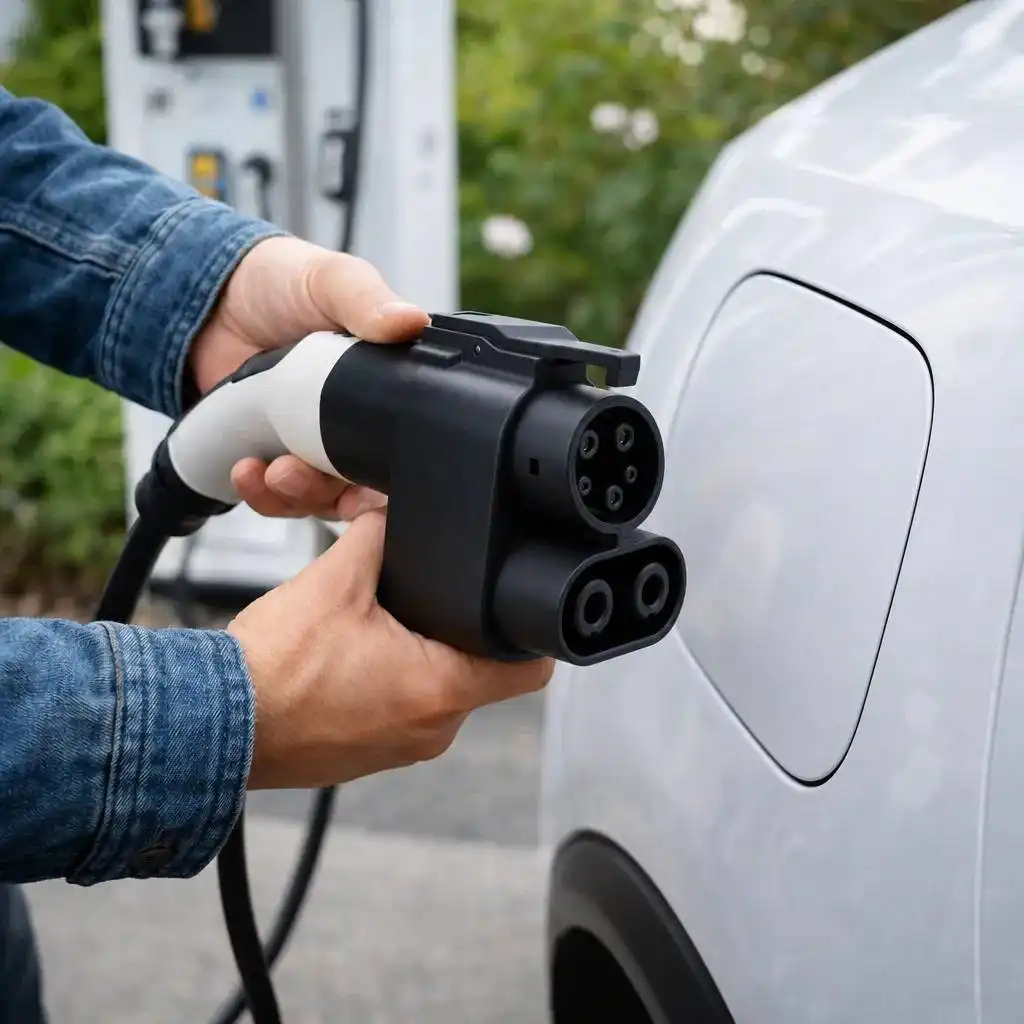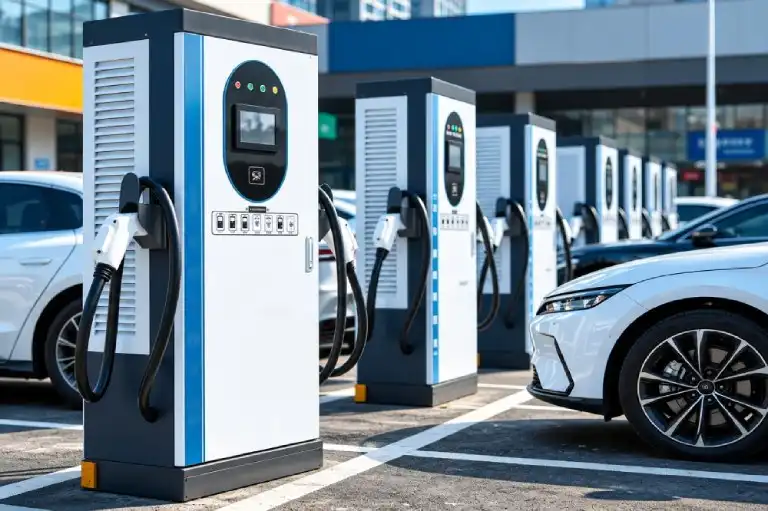
If you have started shopping for a home EV charger, the first number that surprises you usually is not the equipment price — it is the installation quote. Two neighbours on the same street can be told $700 and $4,500 for what sounds like an identical job. That gap is not a rip-off. It is the layout of your house, the capacity of your electrical panel, and the wiring run between them.
This guide breaks down what actually drives the cost of an EV charger installation at home, following a step-by-step walkthrough from a working residential electrician. You will see the four-step assessment every good installer runs, where the hidden costs live, and the three mistakes that quietly turn a modest project into an expensive one.
Quick answer: Most home EV charger installations land between $500 and $5,000. A straightforward job — panel in or near the garage, spare capacity available, a short wire run, and a pullable permit — sits near the bottom of that range. The wide spread comes down to four variables: where your panel is, whether it has room, your local permit and inspection rules, and how far the cable has to travel.
Cost at a glance
| Scenario | Typical range | What pushes it up |
|---|---|---|
| Most favourable — panel in the garage, spare capacity, short run, permit included | $500 – $1,200 | Nothing unusual; the wiring is short and simple |
| Average — panel elsewhere on the same floor, moderate run | $1,200 – $2,500 | Longer cable, a few hours of extra labour |
| Complex — long run across the home, older panel, higher amperage | $2,500 – $4,000 | Heavy-gauge copper, conduit, drywall work |
| Panel upgrade required | $4,000 – $5,000+ | Full service-panel replacement plus new circuit |
These figures are ballpark ranges for a residential installation in the United States. Your number depends on local labour rates, permit fees, and the specifics of your property. Always get a written, itemised quote.
Why the price range is so wide
A common misconception is that an EV charger is a plug-and-play appliance. In practice, you are not buying a charger — you are buying a dedicated 240-volt circuit plus everything needed to run it safely and legally.
A typical broad figure used across the industry is anywhere from $500 to $5,000, and the difference between the two ends is almost never the charger itself. It is the surrounding electrical work. An installer who simply mounts a unit next to the panel has an easy afternoon. An installer who has to pull heavy copper across a finished two-storey house, add a subpanel, and coordinate a permit and inspection has a multi-day project.
The good news: the variables are predictable. Once you know how your home scores against the four checks below, you can estimate where in the range your project will land before anyone visits.
The four-step assessment that sets your price
Every competent installer runs the same mental checklist. You can run it yourself first.
1. Site assessment — where is your electrical panel?
The single biggest cost driver is distance. If your panel sits in the garage right next to where you want the charger, you are in the best-case scenario. In reality, that is rarely the case. The panel might be across the house from the garage, upstairs while the parking is downstairs, on an exterior wall, or in a separate building.
Each of these adds cable, conduit, and labour. A smart installer will also look for a smarter location — sometimes moving the charger to a different spot on the wall makes the whole job dramatically more budget-friendly. That is a design decision, not a compromise, and a good electrician will walk the property with you before quoting.
2. Load capacity — can your panel actually handle it?
A charger is a large continuous load, so before anything is installed your installer should run a load calculation on the existing panel. The question is simple: is there spare capacity, or is the panel already near its limit? Signs you may be close to the ceiling include an all-electric home with an electric furnace, range, and water heater; a 100-amp service already feeding heavy loads; an older system with a hot tub, a pool, or multiple kitchens; or add-on equipment that has crept in over the years.
The last thing you want is a completed installation that trips your main breaker the first time the car charges overnight. A load calculation costs far less than the surprises it prevents.
3. Permits and inspections — your best friend, not a hurdle
It is common to want to avoid paperwork, but skipping permits is a false economy. Permits are inexpensive relative to the total project and rarely add meaningful cost. What they add is protection. A permit brings an independent inspector to verify the work — and if the inspection flags something, that is the system doing its job, catching a problem now instead of the night your wiring overheats. If a contractor suggests skipping the permit, that is a reason to pause.
4. Wiring distance and amperage — the copper tax
This is where the material cost lives. Charging circuits run at 240 volts, which means larger conductors than a standard household circuit. Two levers control the cost:
- Amperage: common circuits are 30-amp and 50-amp, with heavier 80- to 100-amp circuits available for vehicles that can accept higher power. Bigger circuit, bigger wire.
- Distance: whether the run is a few feet or across the entire house.
Copper prices are high, and every step up in gauge and every extra foot of run compounds the cost. This is also where future-proofing matters: if the walls are open or the run is invasive, paying for a heavier cable now is far cheaper than tearing everything apart later.
What sits inside your EV charger installation quote
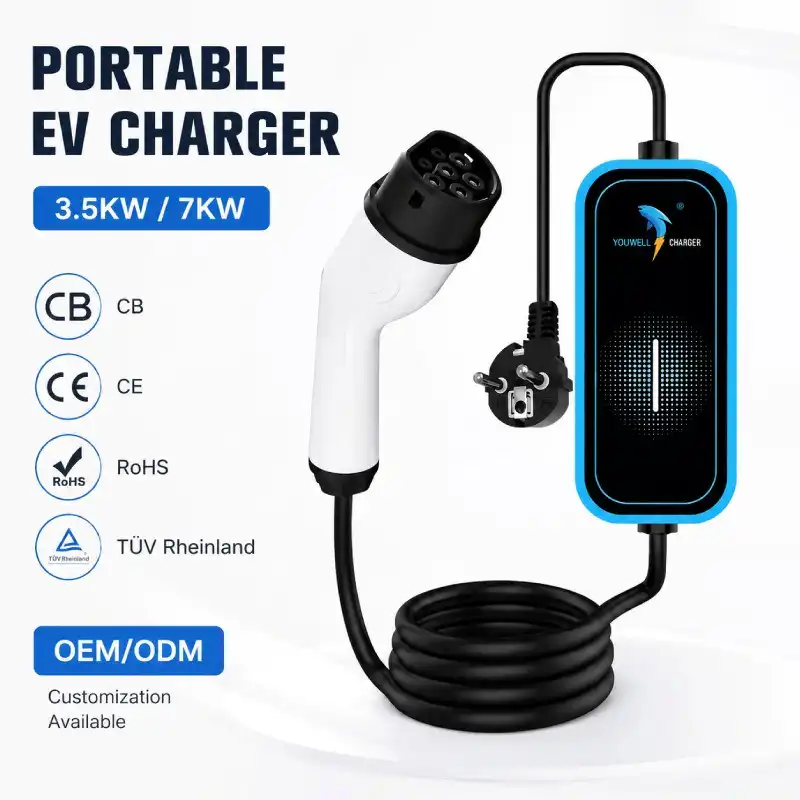
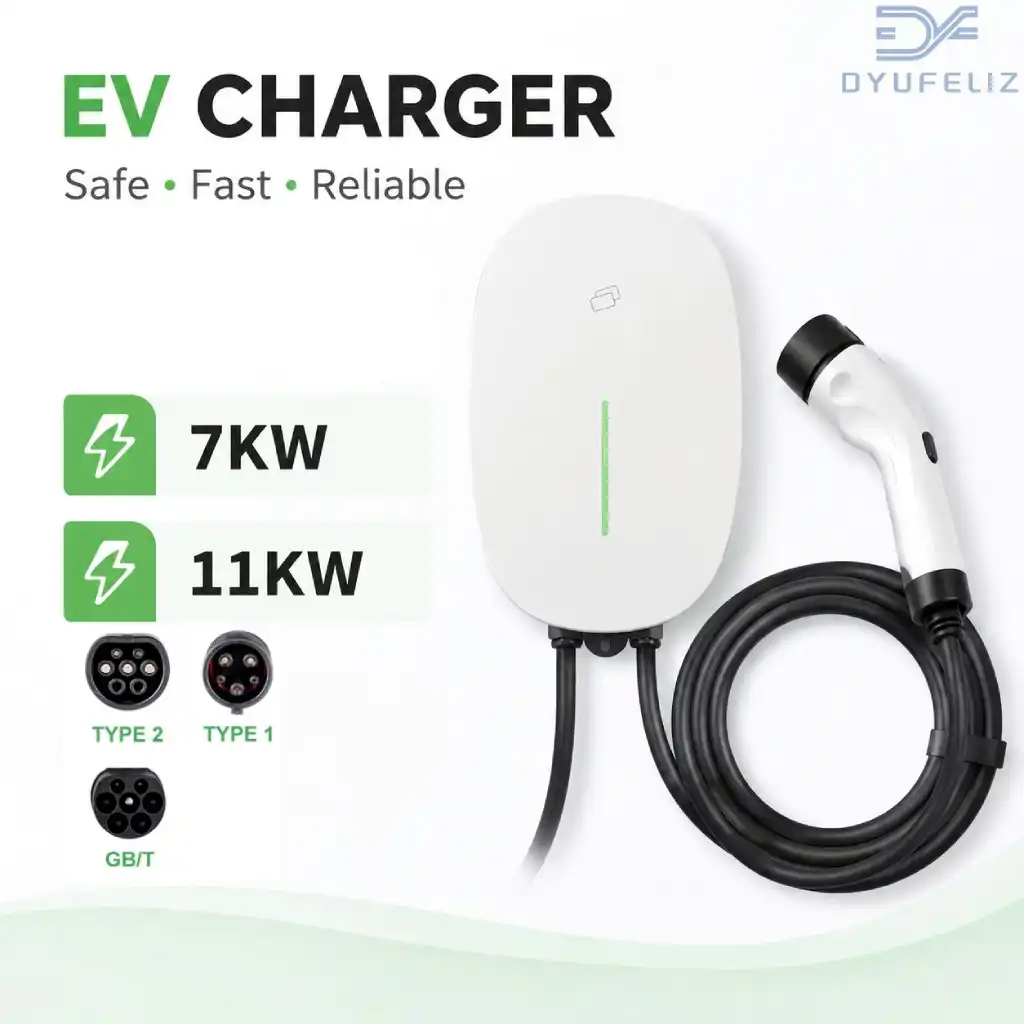
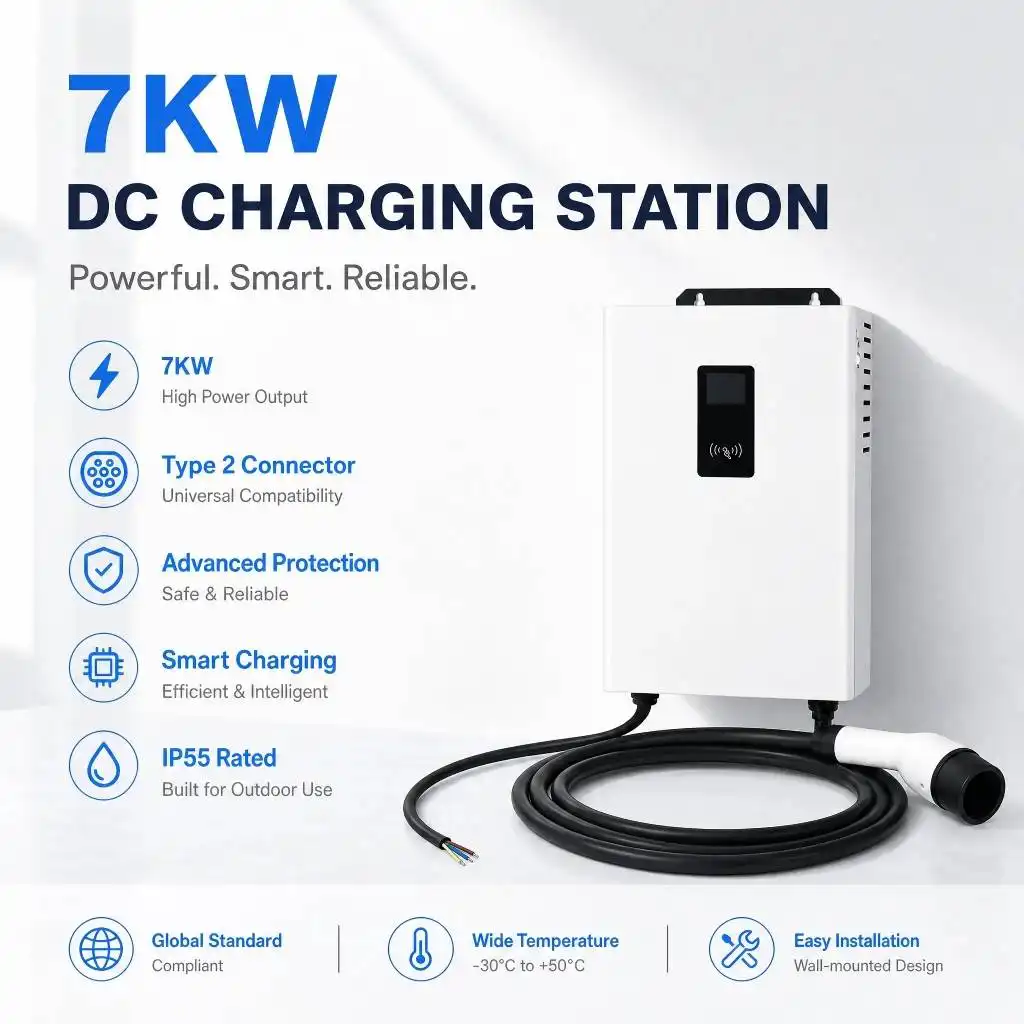
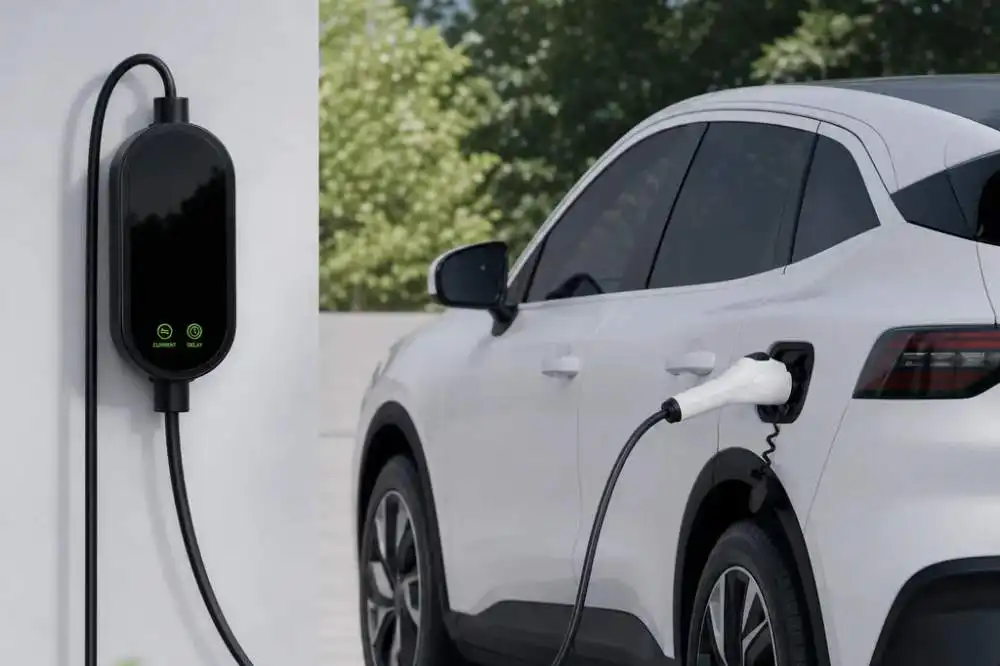
Charger type — hardwired vs. plug-in. The style of unit changes the price significantly. A hardwired installation is permanently wired and typically supports higher power. A plug-in unit connects to a standard 240-volt receptacle (a 30- or 50-amp circuit) and can be swapped more easily. Some units are adjustable, letting the installer feed them at a high capacity and then dial the output down — charge at a lower rate today, open it up later as your needs grow.
Installation labour. This is labour-intensive and scales with how intricate the job is. Short, clean runs are quick; long runs through finished spaces are not.
Warranty. Always ask. The warranty on the installation itself can range from essentially worthless to something substantial — one year, five years, or longer for ongoing customers. Parts in a charger get hot and can fail, so the warranty is a real part of the value you are buying, not fine print.
Panel upgrade. If the panel is old, outdated, rusting, or corroded, adding a heavy new circuit to it is a bad idea. Like an old car with hundreds of thousands of miles on it, an aging panel may simply be past its useful life. Folding a panel replacement into the project is sometimes the honest answer — and doing it now avoids paying for the job twice.
Permit and inspection fees. Usually modest, occasionally unavoidable even when you would rather skip them.
What actually changes the number
| Factor | Lower cost | Higher cost |
|---|---|---|
| Panel location | In the garage, beside the charger | Across the home or in another building |
| Panel capacity | Spare capacity available | Near maximum, or a service upgrade needed |
| Run length | A few feet | Long, through finished walls |
| Circuit size | 30–50 amp | 80–100 amp |
| Unit type | Simple plug-in | Hardwired, adjustable, higher power |
| Permits | Simple, inexpensive, pullable | Complex jurisdiction, extra inspections |
Three mistakes that make a home EV charger cost more
1. Skipping permits and inspections. The savings are illusory. Without an inspection, you also lose the one independent check that confirms the work is safe and code-compliant. If permits are available in your area, make sure your licensed professional pulls them.
2. Undersizing the wire. This is the expensive one. You cannot run a 30-amp circuit today and simply upgrade it to 50 amps later — the wire in the wall is the wire in the wall. A contractor competing on price may be tempted to downsize the conductor, and a homeowner convinced that 30 amps is plenty may agree. If the run is invasive, install the heavier cable now. Oversizing the breaker on undersized wire is a genuine fire hazard, not a shortcut.
3. Buying the wrong charger. It happens more than most people expect. Before you buy, read the manufacturer’s specifications for your vehicle. They will tell you which type of unit to get, what voltage it needs, and any specific requirements. Many units are general-purpose, but some vehicles call for specific configurations. Do not guess on a new car and a new circuit at the same time.
Level 1 vs. Level 2: a quick orientation
When people talk about home EV charging, they usually mean a Level 2 EV charger — a 240-volt charger that can add meaningful range overnight. A Level 1 charger is simply the standard 120-volt cord that plugs into an ordinary wall outlet; it works, but it is very slow and rarely worth a dedicated installation.
The practical takeaway: if you are going to the trouble and expense of a dedicated circuit, you almost always want a Level 2 setup — and you want it wired with headroom for the future.
How to get an accurate quote
- Know where your electrical panel is and take a photo of the label showing its amperage.
- Note which vehicle you are charging and its maximum onboard charging rate.
- Decide where you actually want the charger mounted, and whether that location can move.
- Ask explicitly: will you run a load calculation, will you pull a permit, and what warranty do you provide?
- Request an itemised, written quote that separates equipment, labour, permits, and any panel work.
A quote given over the phone without seeing the property is a guess. A quote that names the wire gauge and the circuit size is a professional one.
Frequently asked questions
How much does it cost to install a home EV charger?
Most residential installations fall between $500 and $5,000. The low end covers a short run with spare panel capacity; the high end usually involves a long cable run, higher amperage, or a full panel upgrade.
Do I need a permit to install an EV charger at home?
In most cities, yes. Permits are inexpensive and bring an independent inspection that protects your home and your insurance position. Some rural or county jurisdictions have limited permitting — confirm the rules for your address.
Can I install an EV charger myself?
A charger is a permanently installed, high-current 240-volt circuit. That is regulated electrical work in most jurisdictions and typically requires a licensed electrician and a permit. DIY wiring at this current level is a serious fire and safety risk.
How long does installation take?
A simple install can be done in a few hours. A complex run, or one paired with a panel upgrade, can take one to several days.
Do I need a panel upgrade?
Only a load calculation can answer that. If your panel is already heavily loaded, is older or corroded, or lacks spare capacity, an upgrade may be the correct and safer path.
Is a home EV charger worth it?
For most drivers who charge at home, yes — overnight Level 2 charging removes the need to rely on public charging for daily driving. The value depends on your driving distance, your electricity rates, and how long you plan to stay in the home.