The 80/20 rule for EV charger is simple: keep your battery between 20% and 80% for daily driving. Many drivers hear mixed advice. This range is still a widely accepted best practice for battery care. Charging past 80% or draining below 20% puts stress on the battery. The rule balances battery life with everyday convenience. An EV charger at home or work can handle this easily. The reasoning is clear once you understand basic battery chemistry. The rule does not need constant monitoring. It needs a simple habit: stop charging before full, plug in before empty. Once you know why the limits matter, following the rule is easy.
Key Takeaways
- Keep your EV battery between 20% and 80% for daily driving.
- This habit protects battery health and saves charging time.
- Set your car to stop charging at 80% automatically.
- Charge to 100% only before long trips.
- Check your owner’s manual for your specific EV model.
What Does the 80/20 Rule Mean for EV Charging and Battery Levels?
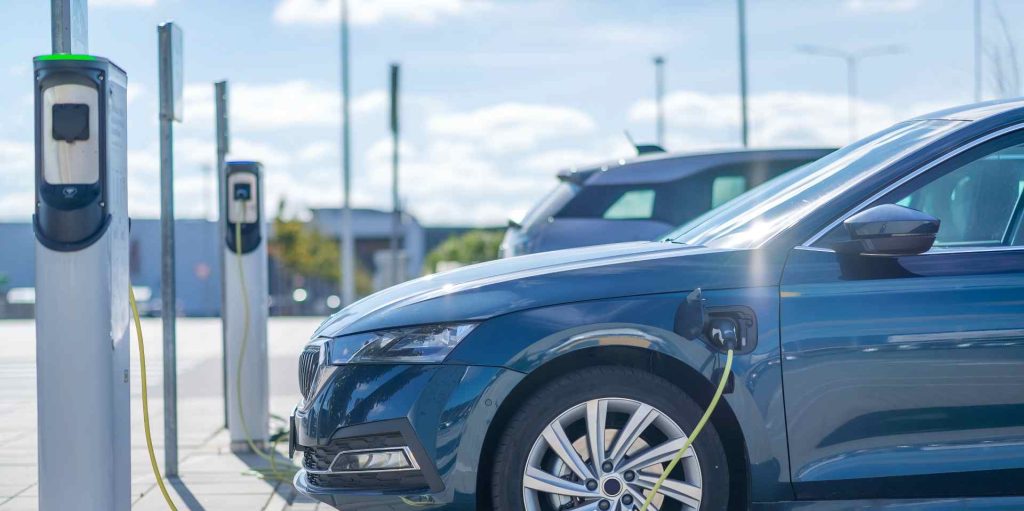
The 80/20 rule recommends keeping your EV battery between 20% and 80% for everyday driving. Plug in before the charge drops too low and stop charging at around 80%. This simple habit can help reduce battery stress without complicating your daily routine.
Charging to 80% instead of 100% may support long-term battery health while providing enough range for most commutes and errands. For example, an EV with a 300-mile rated range offers approximately 240 miles at 80% charge, although actual range varies with driving conditions. A home EV charger can automatically stop at your preferred limit, while public DC fast chargers provide convenient top-ups.
The percentages on your dashboard represent the battery’s state of charge (SOC), not its total capacity. Although EVs generally include safeguards against over-discharge, regularly running the battery very low or keeping it fully charged for extended periods may accelerate degradation.
| Charge Level | Potential Battery Effects | Recommended Approach |
|---|---|---|
| Below 20% | Repeated deep discharge may increase battery stress and degradation. | Recharge before the battery gets too low. |
| Above 80% | Prolonged high-voltage conditions may accelerate battery aging. | Use an 80% daily limit when recommended by the manufacturer. |
The ideal charging range also depends on battery chemistry. Nickel manganese cobalt (NMC) batteries generally benefit from an 80% daily charging limit, while lithium iron phosphate (LFP) batteries may require periodic charging to 100% for battery management system (BMS) calibration. Cooling systems and software can also affect charging recommendations.
Always follow your vehicle manufacturer’s guidance rather than treating the 80/20 rule as a universal requirement. Some automakers recommend lower daily limits for specific battery packs, while certain LFP models require periodic full charging to maintain accurate charge estimates.
The 20%–80% window is a useful starting point for many EV owners, helping balance battery health, driving range, and charging time. Adjust your charging limit to match your vehicle’s manual and daily travel needs.
Why the 80/20 Rule Matters for EV Battery Health and Life
Battery health comes from how you treat the cells over thousands of charge cycles. The 80/20 rule guards two key limits. Keeping the charge below 80% lowers stress at the top. Keeping it above 20% avoids damage at the bottom. Together, these habits slow down the chemical reactions that age a battery.
How Keeping an EV Battery Below 80% Can Lower Battery Stress
When the battery is highly charged, voltage stress builds up. As the pack fills toward 80–100%, the voltage at the electrodes goes higher. The chemistry is most unstable in that top band. Leaving the battery there leads to more oxidation of the cathode material and more heat. Both effects speed up capacity loss. This harmful stress comes from staying at a high state of charge, not from the act of charging itself.
A high state of charge also speeds calendar aging through solid electrolyte interphase growth. Lithium ions stuck in the SEI layer no longer help cycling. A multi-condition aging study on 2 Ah LFP/graphite pouch cells found that higher storage SOC increased capacity loss through stronger SEI growth. Independent modeling covered 62 automotive cells aged under 28 protocols. It showed that the operating SOC window had the biggest effect on SEI growth of any tested factor. For the best battery life, store at mid-range SOC.
Laboratory data shows the long-term difference. Cells cycled to lower maximum charge levels hold more capacity after many thousands of cycles.
| Maximum charge level (SoC) | Depth of discharge | Predicted capacity after 14,000 cycles |
|---|---|---|
| 75% | 75%–25% (50% DoD) | 74% |
| 85% | 85%–25% (60% DoD) | 64% |
| 100% | 100%–25% (75% DoD) | 48% |
These numbers come from modeling built on lab cycling data. Real-world battery life is usually shorter than the model predicts. But the basic pattern stays true: a lower charge limit means slower wear. A good EV charger with a set limit makes this easy.
Why Avoiding Very Low Battery Levels Is Important for EV Battery Health
Deep discharges stress the battery in a different way. Low lithium-ion concentration makes electrochemical polarization, internal resistance, and heat rise. Repeating deep discharges speeds up capacity loss. The 20% floor prevents this.
Modern EVs include built-in protections. Dashboard warnings start near 20% and get more urgent as the state of charge drops. The battery management system limits power before 0% and keeps a hidden reserve of 5–10% below displayed zero. For example, Volkswagen models show a reserve warning at 20% or less. They give an urgent warning at 10% or less. Hyundai models show a low EV battery warning near 10% SoC. They limit power near 5% on certain models.
These warnings are there because the battery is already stressed. Going below 20% once in a while is not a disaster. Constant deep discharges are the real problem. A home EV charger that stops at 80%, plus a habit of plugging in before 20%, keeps the battery safest.
How EV Battery Charging Behavior Changes From 0% to 100%
EV charging speed changes with the battery’s state of charge (SOC). A DC EV charger may deliver high power at lower charge levels, but the vehicle gradually reduces power as the battery approaches full capacity.
How EV Charging Works Between 0% and 20% Battery Capacity
When an EV battery is nearly empty, charging speed depends on battery temperature, voltage, and the battery management system (BMS). If the battery is too cold or deeply discharged, the BMS may limit power to protect the cells. Battery preconditioning, when available, can help prepare the battery for DC fast charging.
What Happens When an EV Battery Charges From 20% to 80%
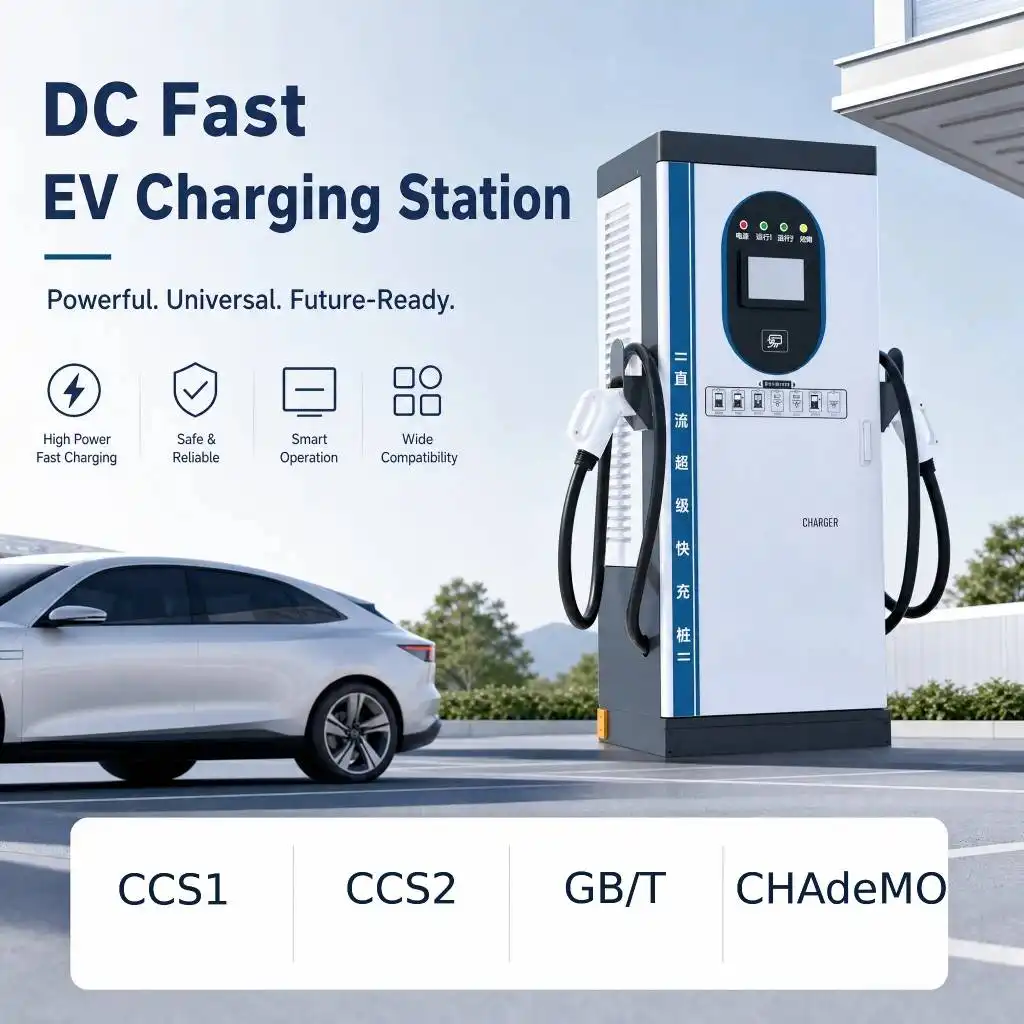
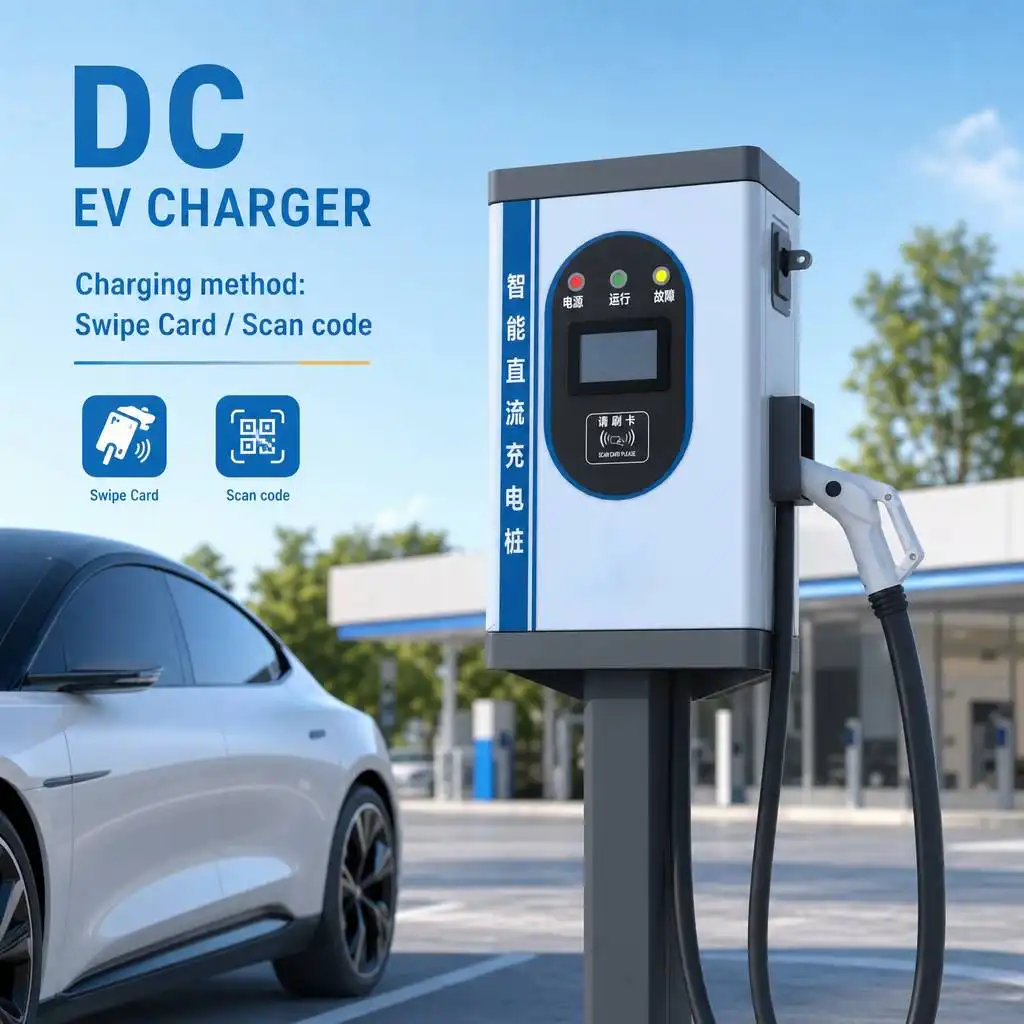
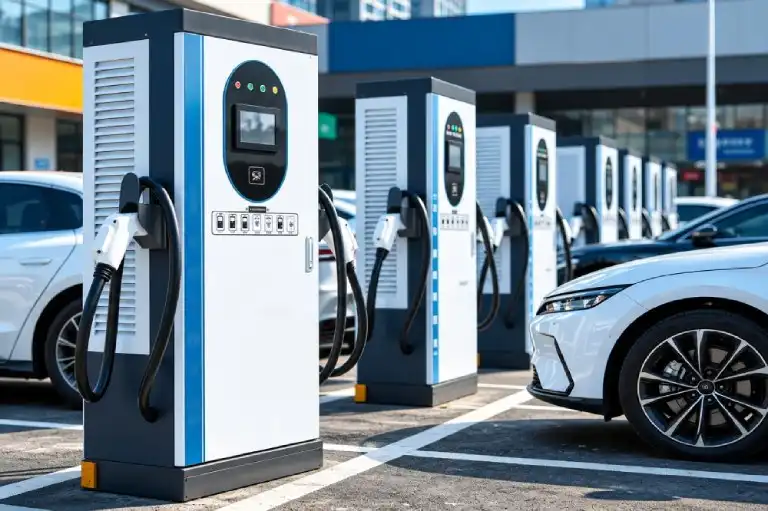
The 20%–80% range is often the most practical window for DC fast charging. Charging power can remain relatively high during part of this period, although it varies by vehicle and battery conditions. DongYu offers DC EV chargers from 20 kW to 480 kW, supporting different charging needs at public stations, commercial sites, and fleet depots.
Why EV Charging Usually Slows Down Above 80% Capacity
Above 80%, an EV typically reduces charging power to control battery voltage, temperature, and cell stress. As a result, charging from 80% to 100% can take longer than expected. For road trips, stopping around 80% often saves time, while charging to 100% may be appropriate when extra driving range is needed.
How the 80/20 Rule Affects EV Charger Speed and Efficiency
Most EVs let you set an 80% charging limit through the vehicle app or charging settings. Once configured, the vehicle automatically stops charging at the selected level, helping you maintain a consistent daily routine without monitoring the process.
The 80% limit can also save charging time. As an EV battery approaches full capacity, charging power typically decreases, making the final 20% take longer. Charging losses may also increase under certain conditions, adding to electricity costs and heat generation. However, actual efficiency depends on the vehicle, battery temperature, and charger power.
For home and workplace charging, DongYu offers AC EV chargers ranging from 3.5 kW to 22 kW. These can support routine charging, while configurable options include power output, plug types, and branding. Setting an appropriate charging limit helps make daily charging more convenient.
Public DC fast chargers follow a similar pattern: charging often slows significantly above 80%. Stopping around 80% can reduce waiting time, especially during road trips. If you need the extra range, charging to 100% is still an option.
Charging speed and efficiency vary with battery state of charge, temperature, and charger output. For everyday driving, the 80/20 rule provides a practical starting point; for longer journeys, adjust your charging plan to your range requirements and vehicle manufacturer’s recommendations.
How to Apply the 80/20 Rule to Home and Public EV Charging
How to Set a Daily Charging Limit With a Home EV Charger
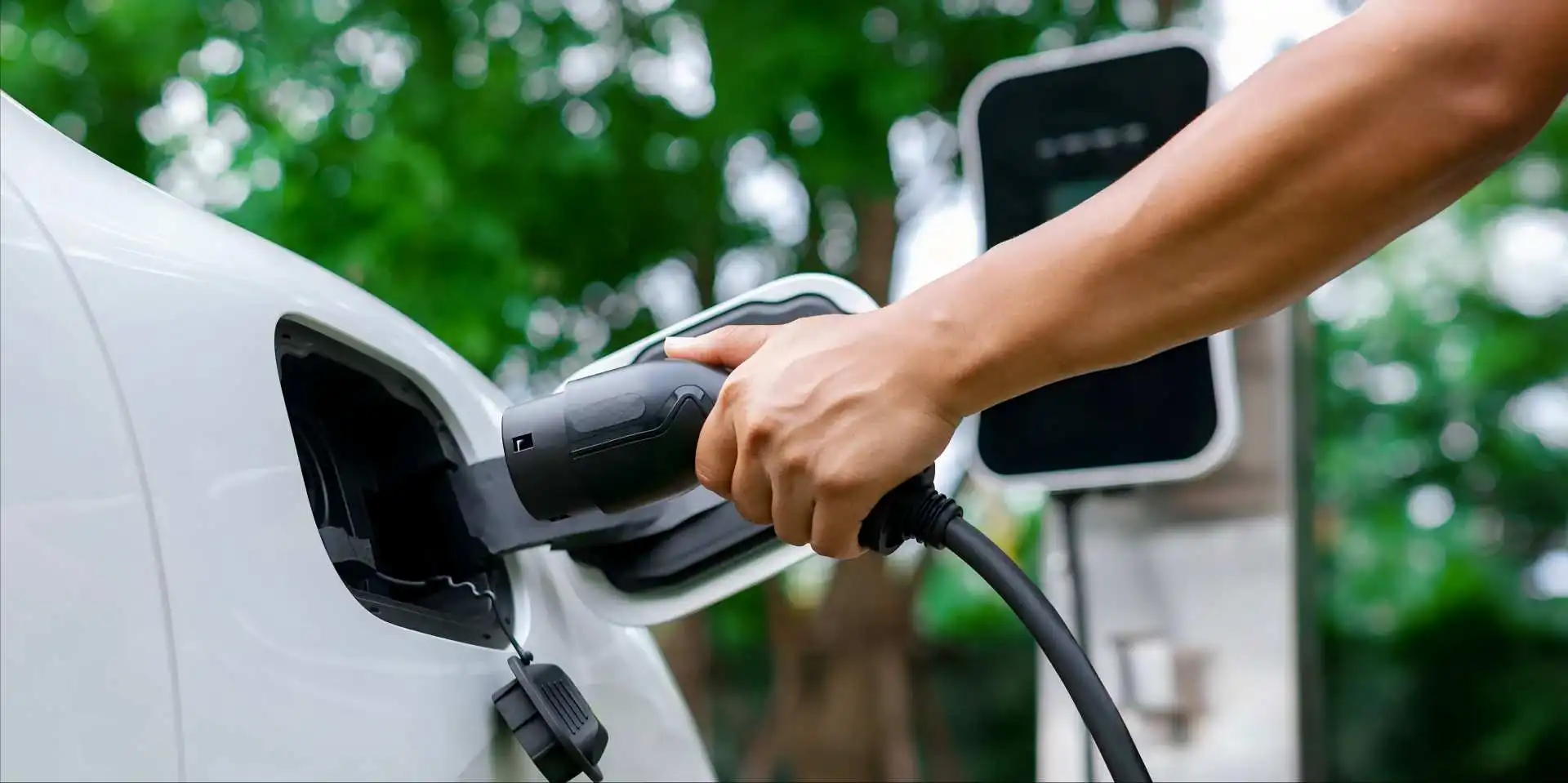
Home charging is the best daily default for most drivers. You get lower costs, more control, and less dependence on public stations. Set your charge limit to 80% through the vehicle app or dashboard menu. The car stops on its own at that level. You plug in overnight and wake up ready to drive.
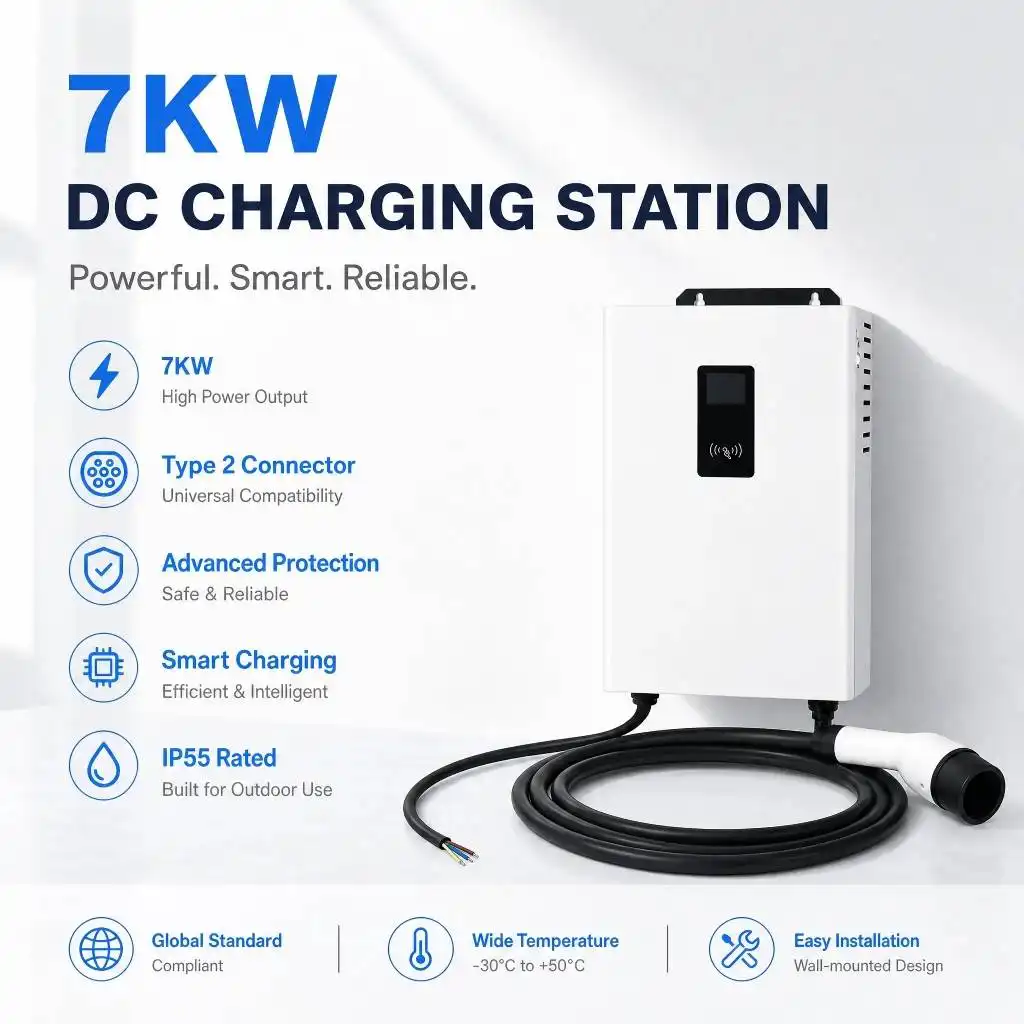
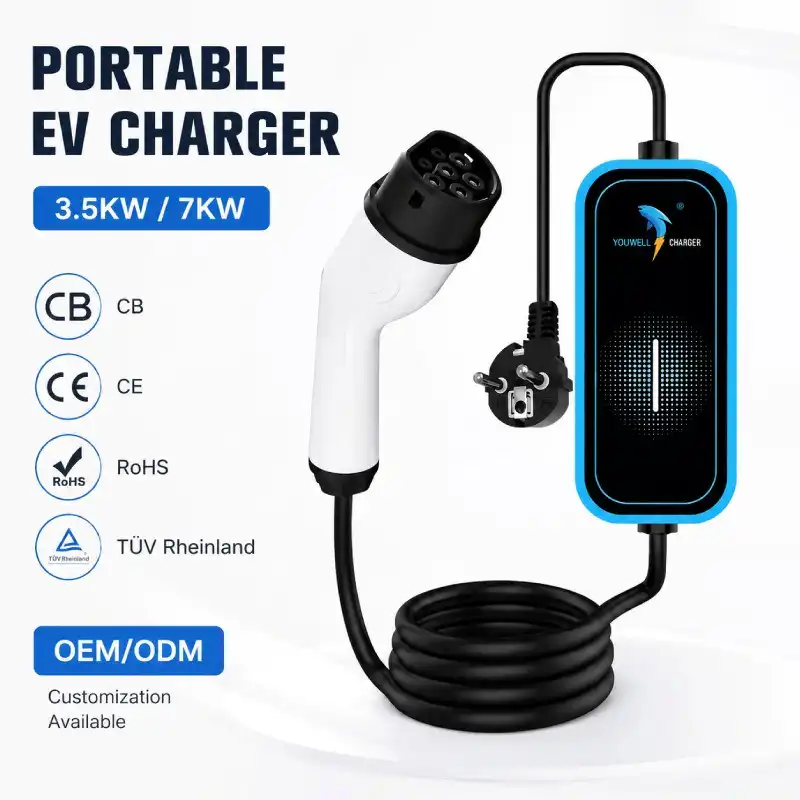
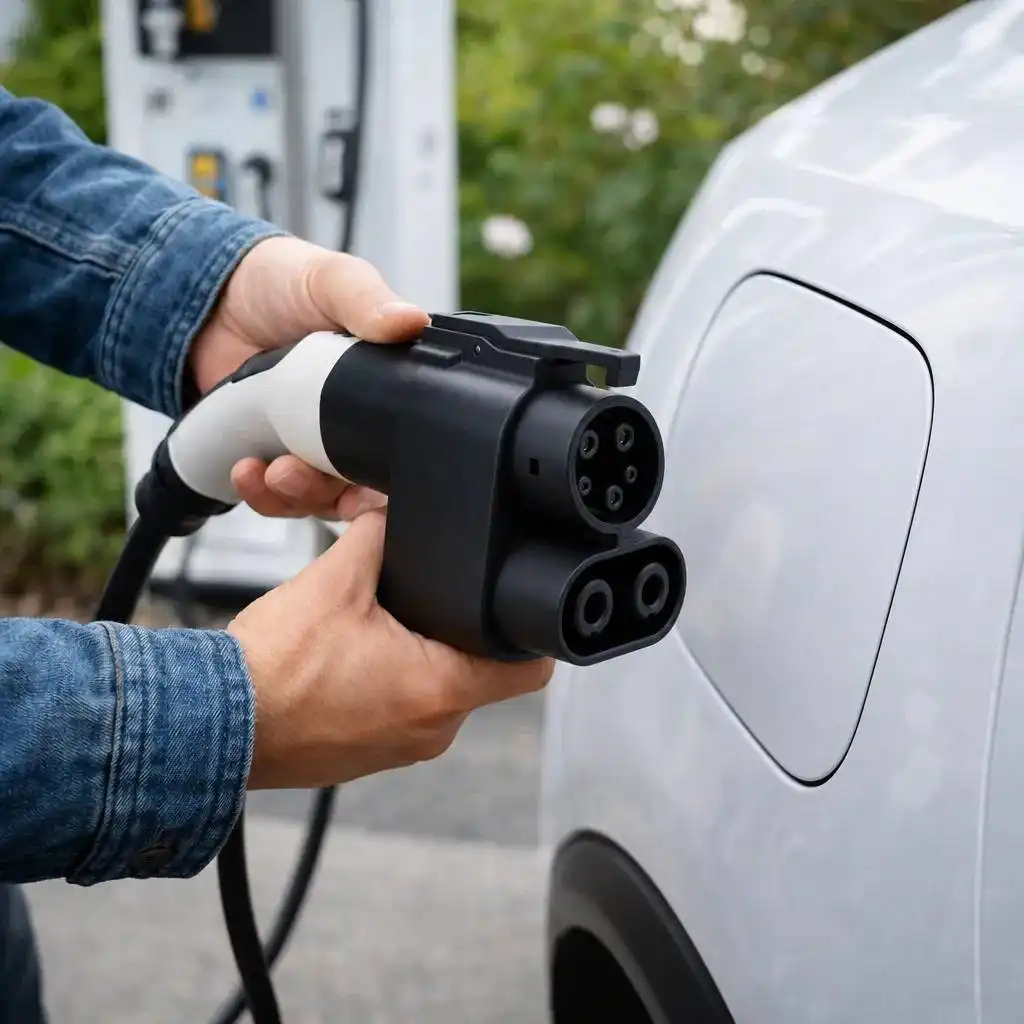
Most homes use Level 1 EV chager or Level 2 EV charger. A 7 kW unit adds about 20 to 30 km per hour, which suits overnight charging for many drivers. A 3.5 kW unit adds about 10 to 15 km per hour and works for small-battery EVs. Higher-power 22 kW home chargers need three-phase power, which is uncommon in homes and costly to install. Match the charger to your daily driving needs and your home’s electrical setup.
| Aspect | Home AC Charging (80% limit) | Public DC Fast Charging |
|---|---|---|
| Role | Best daily default | Best for road trips and urgent top-ups |
| Cost | Lower cost, more control | More expensive, less convenient |
| Battery impact | Gentler as a routine | Not harmful, but not ideal daily |
| Target | ~80% daily; 100% before long trips | Charge from low SOC to ~70-80% |
How to Manage Battery Levels When Using Public EV Chargers
Public fast charging solves specific problems: road trips, quick top-ups, and emergencies. Plan stops with route apps like A Better Route Planner and PlugShare. Start long trips with a full battery if you have home charging. Plug in when the battery reaches roughly 20% to keep a buffer. Charge only to 80% or just enough to reach the next charger. The final 20% charges much more slowly and is not worth the wait.
Charging to 100% before a long trip is acceptable and often necessary. The battery management system protects against damage, and you will drive soon after. Dropping below 20% by accident is not a disaster either. Your vehicle will warn you, and regular deep discharges are the real concern. Follow good etiquette at public stations: unplug at 80%, move your car when charging completes, and respect queuing. Many networks charge idle fees after full charge.
Does the 80/20 Rule Apply to Every Electric Vehicle Battery?
No. The ideal charging range depends on battery chemistry and manufacturer recommendations. Nickel manganese cobalt (NMC) batteries generally benefit from an 80% daily charging limit, while lithium iron phosphate (LFP) batteries may require periodic charging to 100% for accurate battery management system (BMS) calibration.
| Battery Chemistry | Typical Charging Guidance | Main Reason |
|---|---|---|
| NMC | Around 80% for daily use | Reduces prolonged high-voltage stress |
| LFP | Follow the manufacturer’s recommended limit; periodic full charging may be needed | Helps the BMS estimate battery charge accurately |
Although LFP batteries can tolerate frequent full charging better than some other chemistries, keeping them at 100% for extended periods may still accelerate degradation. Occasional charging below 20% is generally not a concern, but repeated extreme charge levels are best avoided.
Before setting a charging limit on your home EV charger, check your owner’s manual. The 80/20 rule is a useful starting point, not a universal requirement for every electric vehicle.
Frequently Asked Questions About the 80/20 Rule for EV Charging
Does Charging an EV to 100% Damage the Battery?
Charging an EV to 100% occasionally does not automatically damage the battery. However, keeping some lithium-ion batteries at a full state of charge for extended periods may accelerate battery degradation. For everyday driving, an 80% charging limit can help reduce battery stress, especially for nickel-based batteries. If you need the full driving range for a long trip, charging to 100% can be appropriate. Always follow your EV manufacturer’s recommended charging limit.
Should You Plug In Your EV When the Battery Reaches 20%?
You do not need to wait until your EV battery reaches 20% before plugging in. The 80/20 rule is a general guideline for managing battery charge levels, not a strict charging requirement. Plugging in when convenient helps maintain sufficient driving range and avoids regularly running the battery very low. For daily EV charging, setting a maximum charge limit and plugging in according to your driving needs can be more practical than waiting for a specific percentage.
Does the 80/20 Rule Apply to Every EV Battery Type?
No. The 80/20 rule does not apply equally to every EV battery chemistry. Nickel-based batteries, such as NMC and NCA, often benefit from a lower daily charging limit, while some lithium iron phosphate (LFP) batteries may require periodic charging to 100% for battery management system calibration. Recommended charging levels vary by vehicle model and battery design. Check your owner’s manual rather than applying the same EV charging routine to every battery type.
Can You Leave an EV Plugged Into a Home EV Charger Overnight?
Yes, in general, you can leave an EV connected to a properly installed home EV charger overnight. Modern electric vehicles typically manage charging automatically and stop or pause charging when the configured limit is reached. You can also use scheduled charging to take advantage of off-peak electricity rates, where available. Make sure your EV charger and electrical installation meet the manufacturer’s requirements, and use the vehicle’s charging settings to avoid keeping the battery at a high state of charge longer than necessary.
Does Following the 80/20 Rule Reduce EV Charging Costs?
Following the 80/20 rule does not directly reduce the price of electricity required to charge your EV. However, it can help improve charging efficiency in certain situations. For example, stopping a DC fast-charging session at around 80% may reduce waiting time because charging power often decreases as the battery approaches full capacity. To lower EV charging costs, consider charging at home when electricity rates are lower, using scheduled charging, and choosing a charging method suited to your daily driving needs.