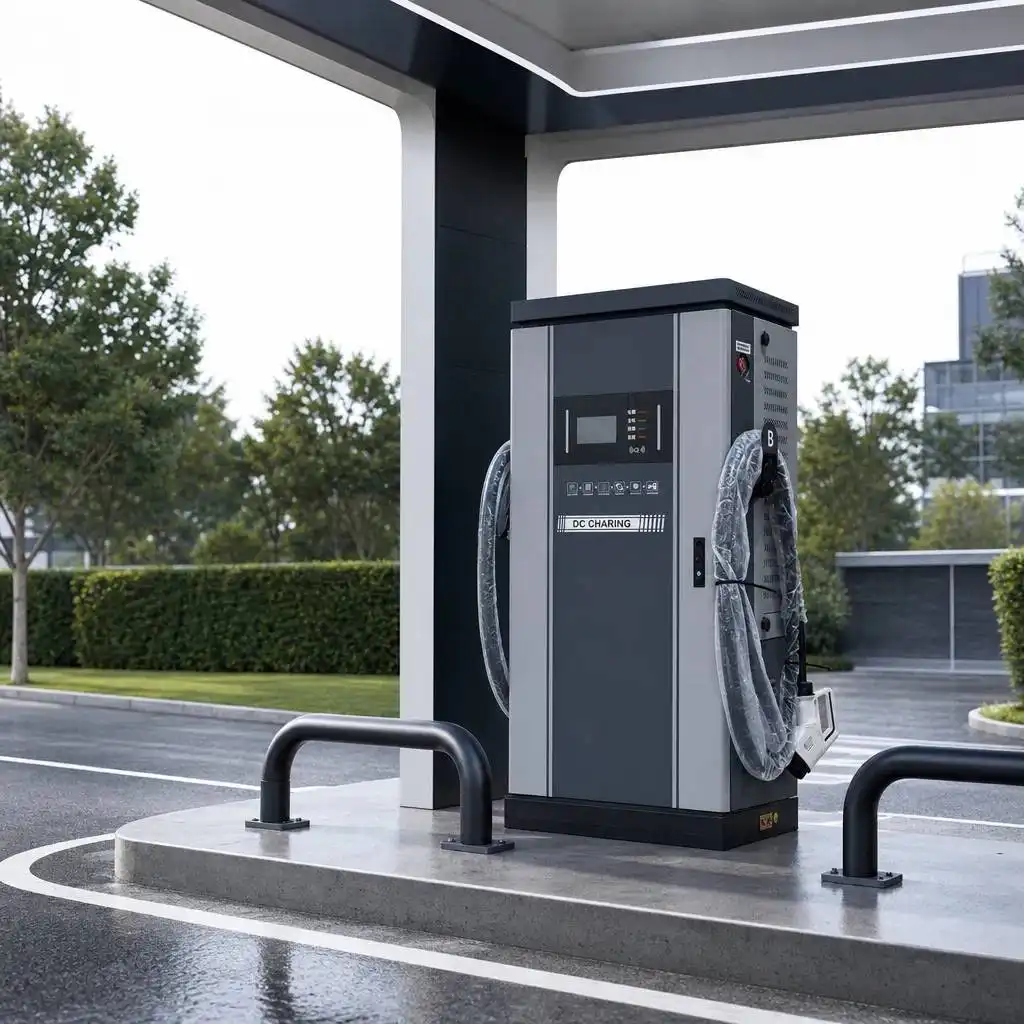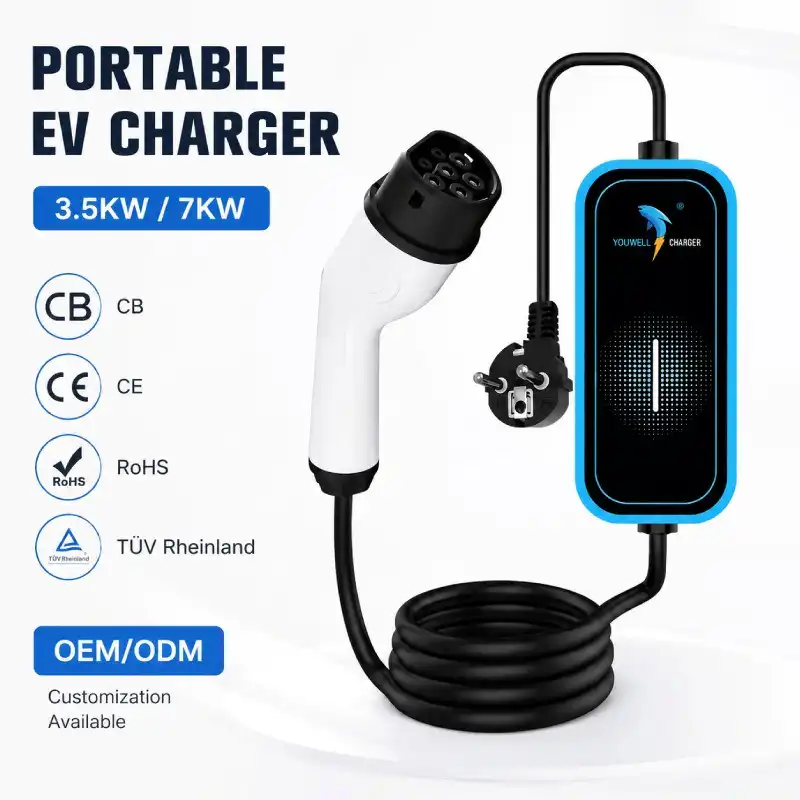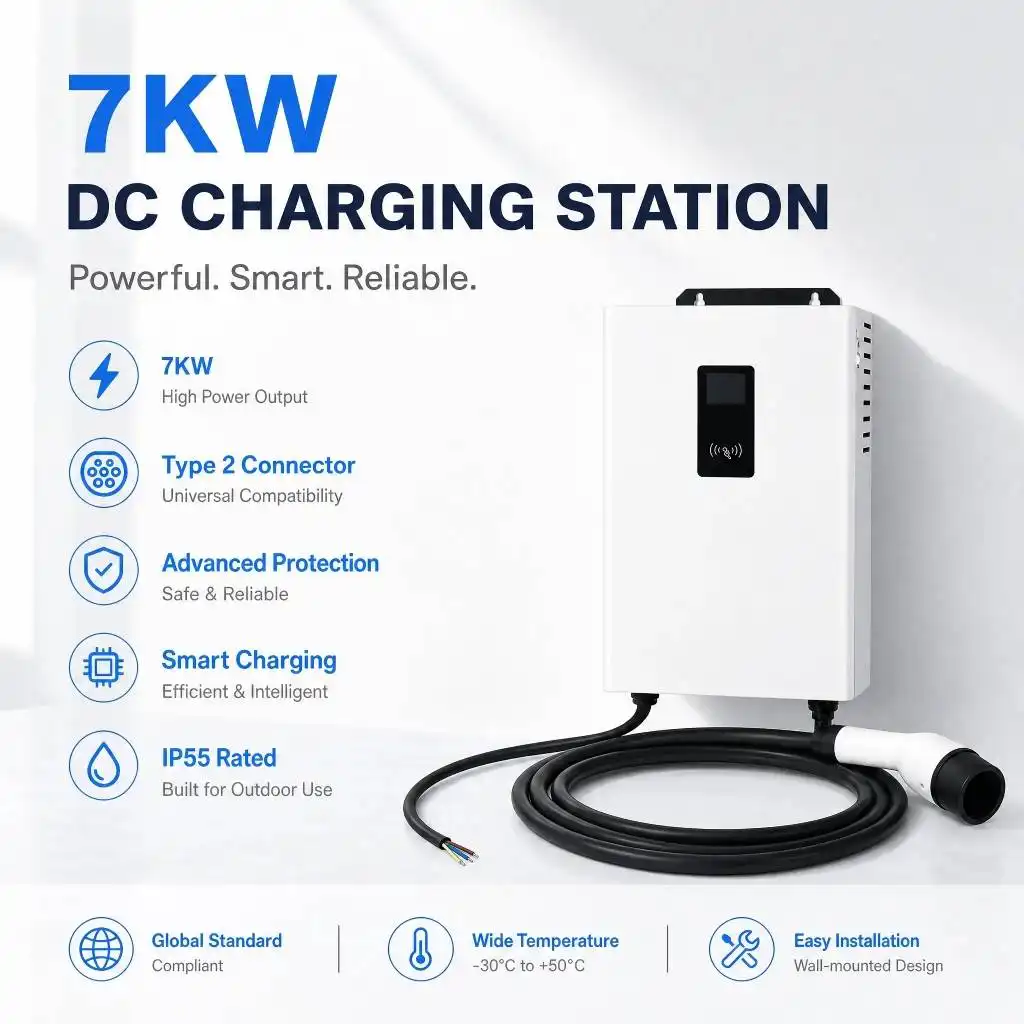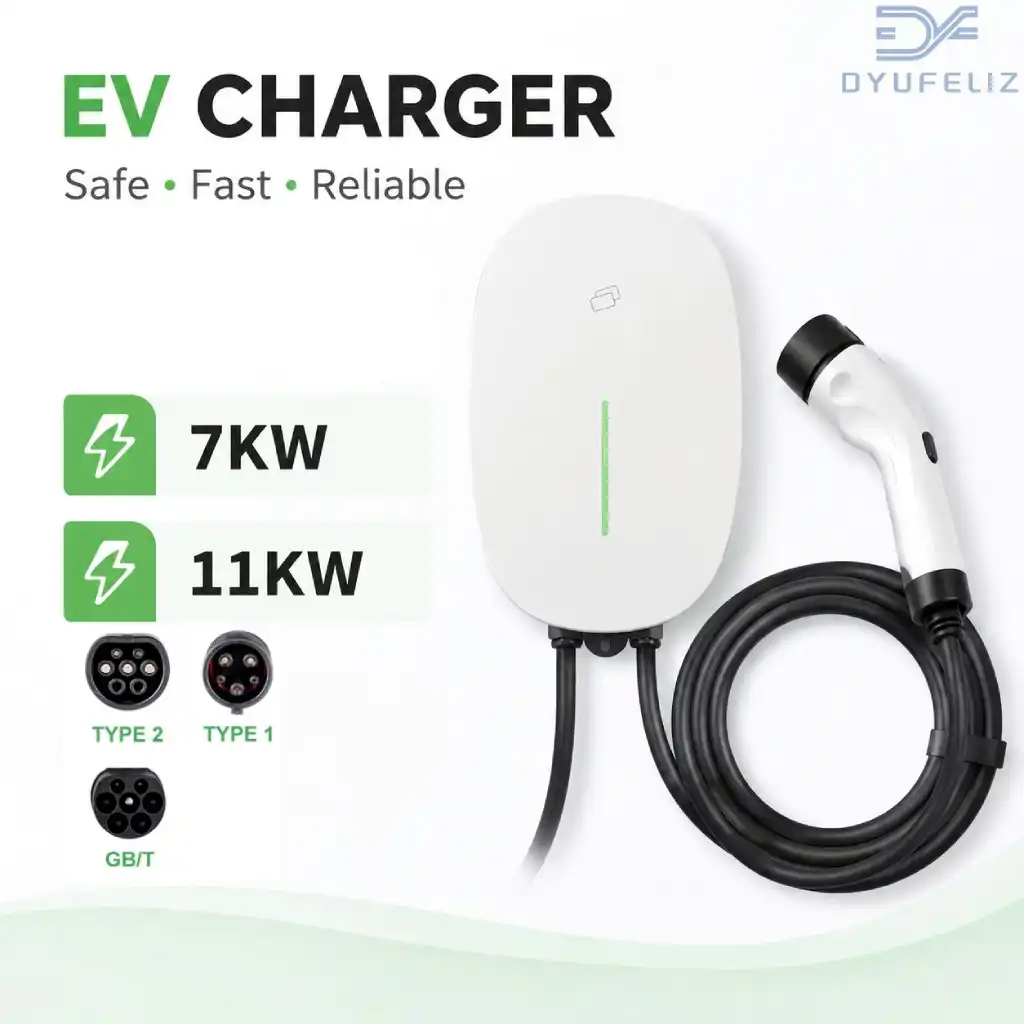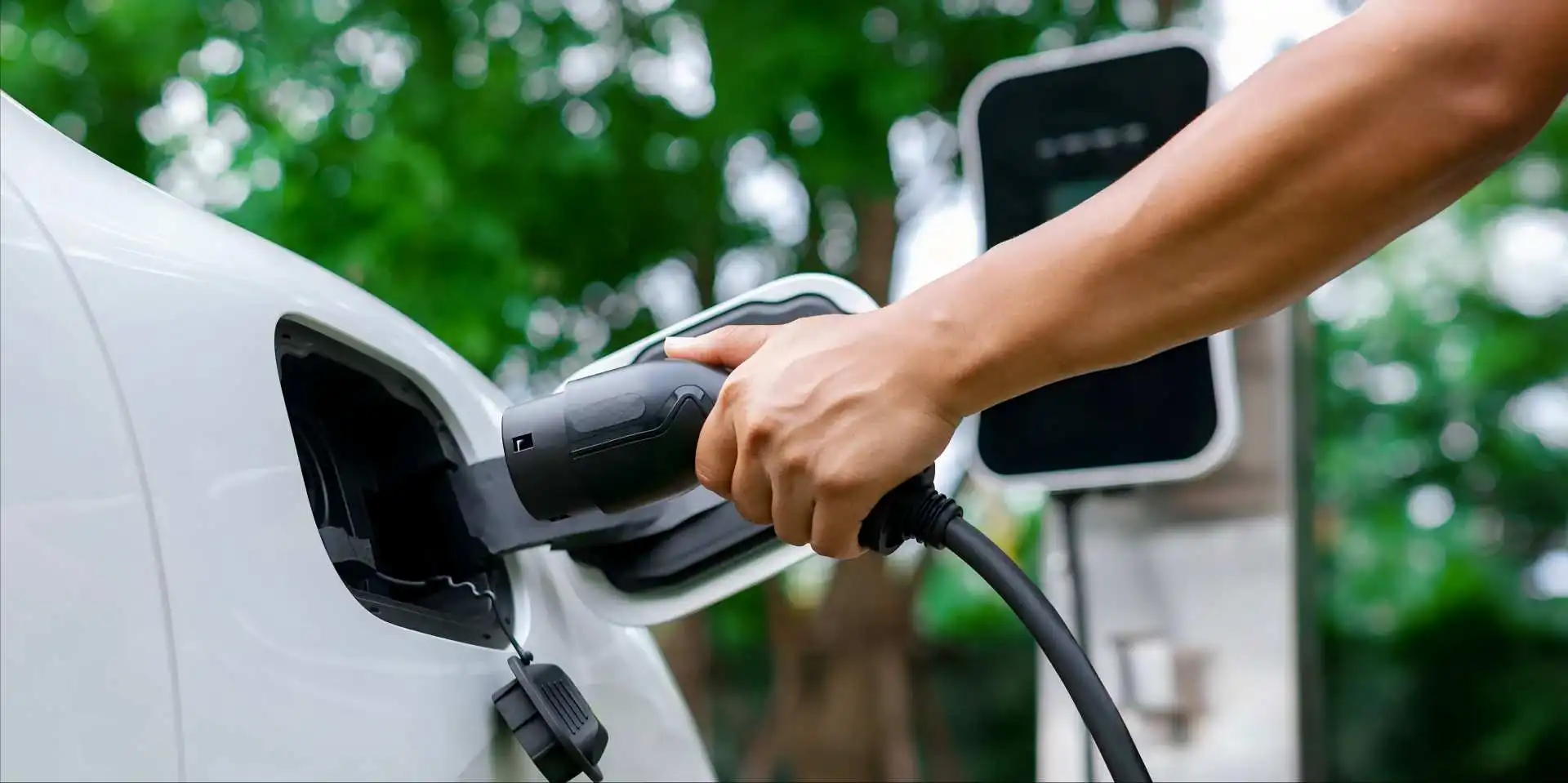
Starting an EV charging station business requires careful planning, from market research and site selection to permits and equipment installation. Growing EV adoption is driving demand for public charging infrastructure and creating new business opportunities.
Success depends on choosing the right location, reliable charging equipment, and a sustainable business model. This guide covers startup costs, business models, and common challenges to help you build a profitable EV charging business.
Key Takeaways
- The EV market is growing fast. Public charging stations are in high demand.
- Choose a business model that fits your budget and goals. Options include public stations, fleet charging, or partnerships.
- Pick a location with steady traffic and drivers who stay long enough to charge.
- Startup costs vary. DC fast chargers cost more than Level 2 chargers.
- Select equipment that matches your site’s power and driver needs. Consider AC or DC chargers.
- Check local permits and regulations early. They can delay your project.
- Use software with remote monitoring and OCPP support. This keeps your network flexible.
- Plan your finances carefully. A well-placed station can pay back in a few years.
Why Start an EV Charging Station Business in Today’s Market?
Growing EV adoption is creating opportunities for public charging businesses. While many drivers charge at home or work, public EV charging stations serve travelers, shoppers, and drivers without convenient private charging.
Industry forecasts also point to continued growth in EV charging infrastructure, driven by expanding EV adoption, government incentives, and improvements in battery technology.
| Market Metric | Forecast |
|---|---|
| Global EV Charging Infrastructure Market by 2030 | $249.87 billion |
| Expected CAGR | 27.8% |
An EV charging station business offers several revenue models, including per-kWh fees, session charges, memberships, and partnerships with nearby businesses. Some operators also combine charging with retail or advertising.
Location and timing are important. Securing accessible sites, building relationships with property owners, and providing reliable charging services can help businesses attract repeat customers and compete effectively.
With careful market research, suitable equipment, and a sustainable business model, an EV charging station business can offer long-term growth potential.
What Business Models Can You Choose for an EV Charging Station?
Your EV charging station business model determines startup costs, operational responsibilities, and revenue potential. Three common options suit different budgets and business goals.
Public EV Charging Stations for Individual Drivers and Travelers
Public EV charging stations serve drivers who need charging away from home or work. You can choose from three ownership models:
- Lease land to a CPO: A charge point operator (CPO) installs and maintains chargers, while you earn rental income and potentially a share of charging revenue.
- Partner with a CPO: You invest in the equipment while a partner helps manage installation or operations, depending on the agreement.
- Operate your own network: You control equipment, software, maintenance, and pricing while retaining charging revenue after expenses.
Location, charger utilization, electricity costs, and contract terms strongly affect profitability. Before signing an agreement, clarify who pays utility bills, handles maintenance, and receives charging revenue.
Fleet and Workplace EV Charging Station Business Models
Fleet and workplace charging serves company vehicles and employee cars. Businesses can purchase and operate chargers directly or use a third-party charging-as-a-service model.
| Factor | Host-Owned Model | Third-Party Model |
|---|---|---|
| Upfront Cost | Higher | Usually lower |
| Maintenance | Managed by the owner | Often handled by the provider |
| Control | Greater operational control | Depends on the service agreement |
| Best For | Businesses seeking long-term ownership | Businesses prioritizing convenience |
The right option depends on available capital, site ownership, maintenance resources, and long-term charging demand.
Commercial Partnerships for EV Charging Station Businesses
Commercial partnerships allow businesses to share investment, expertise, and operational responsibilities. You can collaborate with property owners, CPOs, equipment suppliers, or franchise networks to expand charging locations.
Franchise models may provide branding and operational support but can involve franchise fees, royalties, and other contractual costs. Government incentives may reduce eligible project expenses, depending on current program requirements.
Before choosing a model, compare total investment, expected utilization, operating costs, revenue-sharing terms, and payback time. The best EV charging station business model balances your budget with realistic local demand.
How to Choose a Profitable Location for an EV Charging Station
The right location drives charging demand and profitability. Follow these steps to evaluate traffic, costs, and long-term potential.
- Identify target drivers. Study local EV ownership, workplaces, shopping areas, and apartments where home charging is limited.
- Analyze traffic patterns. Check traffic at different times, focusing on drivers likely to stop and charge.
- Evaluate dwell time. Match charger types to parking duration. Shopping centers may suit Level 2 chargers, while highway stops often need DC fast chargers.
- Check parking demand. Ensure enough spaces are available for charging without disrupting existing parking.
- Contact the utility company. Confirm available power, upgrade costs, and connection timelines before signing a lease.
- Review zoning rules. Check local regulations, permits, and restrictions on charging station installations.
- Negotiate lease terms. Seek a suitable lease term with renewal options and clarify responsibility for electricity, maintenance, and insurance.
How Traffic, Parking Demand, and Dwell Time Affect Site Selection
High traffic does not guarantee strong charging demand. Drivers are more likely to charge where they already stop, such as shopping centers, restaurants, and highway rest areas.
Dwell time helps determine charger type. Longer visits may suit Level 2 charging, while short stops often favor DC fast charging. Parking availability also matters: the site needs enough space to attract customers without competing with existing parking demand.
How Grid Capacity and Electrical Upgrades Affect Site Feasibility
Available electrical capacity can determine whether a site is financially viable. Limited power may require transformer, panel, or service upgrades, increasing costs and delaying installation.
Contact the utility early to confirm existing capacity, required upgrades, estimated costs, and connection timelines. A licensed electrician can assess site-specific work and help estimate installation expenses.
Also consider future expansion. Choosing a site with sufficient power capacity and reasonable upgrade costs can reduce upfront risks and support long-term business growth.
How Much Does It Cost to Start an EV Charging Station Business?
Costs change a lot based on charger type and site conditions. A Level 2 setup costs much less than a DC fast charging station. Your total investment covers hardware, installation, permits, software, and ongoing expenses. Knowing each category helps you make a realistic budget.
EV Charging Station Equipment, Installation, and Connection Costs
Equipment prices depend on power level and features. DC fast chargers cost $38,000 to $90,000 per unit. Installation adds $20,000 to $60,000 per connector. The combined total ranges from $58,000 to $150,000 per connector. Higher power demands push costs toward the upper end of that range.
| Charger Type | Power Level | Hardware Cost |
|---|---|---|
| DC fast (networked) | 50 kW | $28,401 |
| DC fast (networked) | 150 kW | $75,000 |
| DC fast (networked) | 350 kW | $140,000 |
Strong, compliant equipment protects your investment. Manufacturers like DongYu offer AC chargers from 3.5kW to 22kW and DC chargers from 20kW to 480kW. These options fit many business needs, from workplace charging to highway corridors. Working with a manufacturer that provides OEM/ODM services lets you customize branding and appearance. A 12-month warranty and strong after-sales support lower long-term risk. Buying directly from a wholesale supplier or custom manufacture partner often lowers per-unit costs compared to buying through resellers.
Permits, Software, Property, and Ongoing Operating Expenses
Permits and inspections add several thousand dollars in most jurisdictions. Electrical permits, zoning approvals, and accessibility compliance each carry fees. These costs vary by state and city, so check local requirements early.
Software platforms charge monthly fees for network management, payment processing, and remote monitoring. Expect ongoing costs for electricity, maintenance, insurance, and customer support. Electricity rates depend on your utility and time-of-use pricing. Maintenance contracts keep equipment running and minimize downtime.
Property costs depend on your business model. Leasing space costs less upfront than buying land. Revenue-sharing agreements with property owners spread risk. Budget for these expenses before you commit to any site.
How to Choose the Right EV Charging Station Equipment
Picking the right hardware decides your uptime, customer happiness, and long-term profit. The market has two main charger types: AC and DC. Each one serves a different purpose and fits a different business model. Your choice depends on where you install, how long drivers stay, and what power your site can handle.
How to Compare AC and DC EV Charging Station Options
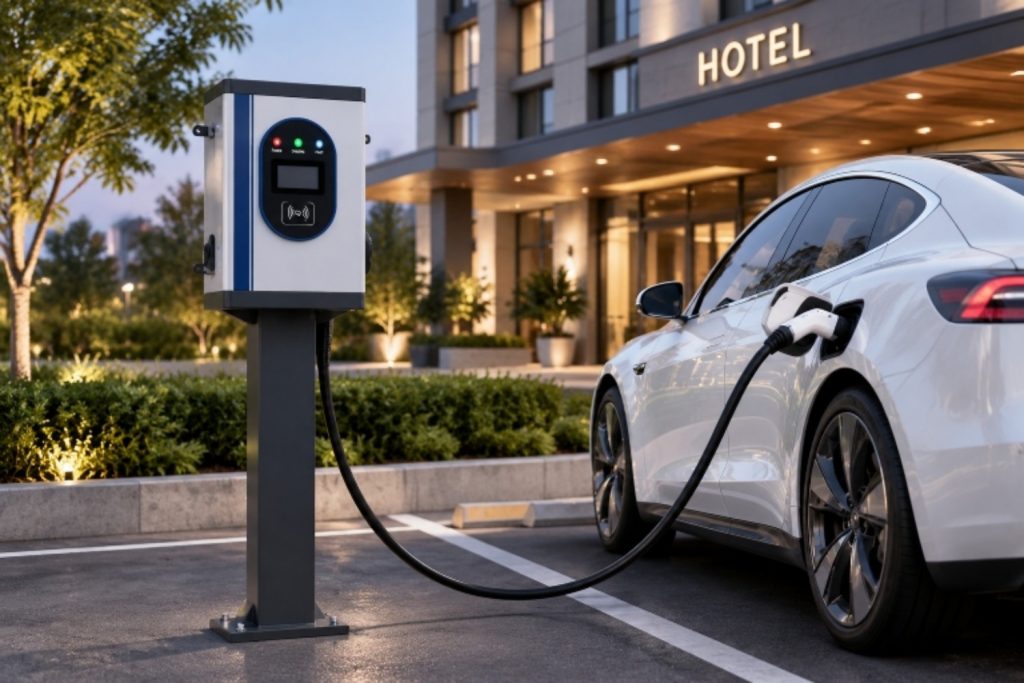
AC EV chargers give lower power and work well where drivers park for a long time. Workplaces, hotels, and shopping centers fit this pattern. DongYu makes AC chargers from 3.5kW to 22kW, perfect for these settings. These units cost less to buy and install. They also put less stress on the electrical grid, which can lower utility upgrade costs.
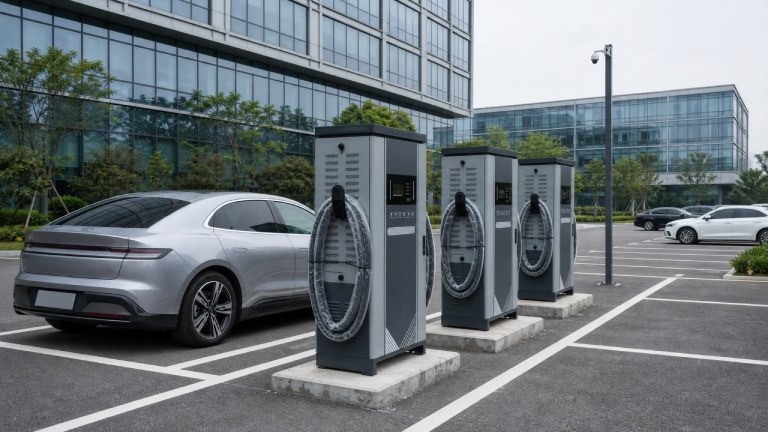
DC fast chargers give high power for drivers who need a quick charge. Highway corridors, fleet depots, and busy retail centers benefit from this speed. DongYu offers DC chargers from 20kW to 480kW, covering everything from small urban setups to high-capacity highway hubs. The table below shows how commercial equipment differs from residential units.
| Specification | Commercial Grade Equipment | Residential Chargers |
|---|---|---|
| Electrical Service | 208 V (typical commercial) | 240 V (typical residential) |
| Power Output (Level 2) | 40 to 80 Amperes | Up to 30 Amperes (7.2 kW) |
| Charging Levels | Level 2 and DC Fast Charging | Level 1 and Level 2 |
| DC Fast Charging | ~100 to 200+ miles range per 30 min | Not applicable |
Commercial units handle heavier daily use. They include sturdier enclosures, better cooling, and communication systems for remote monitoring. Residential chargers lack these features. A business that installs residential-grade equipment will face frequent breakdowns and unhappy customers.
The Efacec HV350 is a High Power Ultra Fast charging solution, able to supply up to 320 kW by connecting two HV175 units. It is designed for commercial use, offering higher currents for heavy vehicles.
This example shows how commercial equipment scales beyond typical public stations. Fleet operators and highway networks need this level of power. Your business plan should match charger capacity to expected demand.
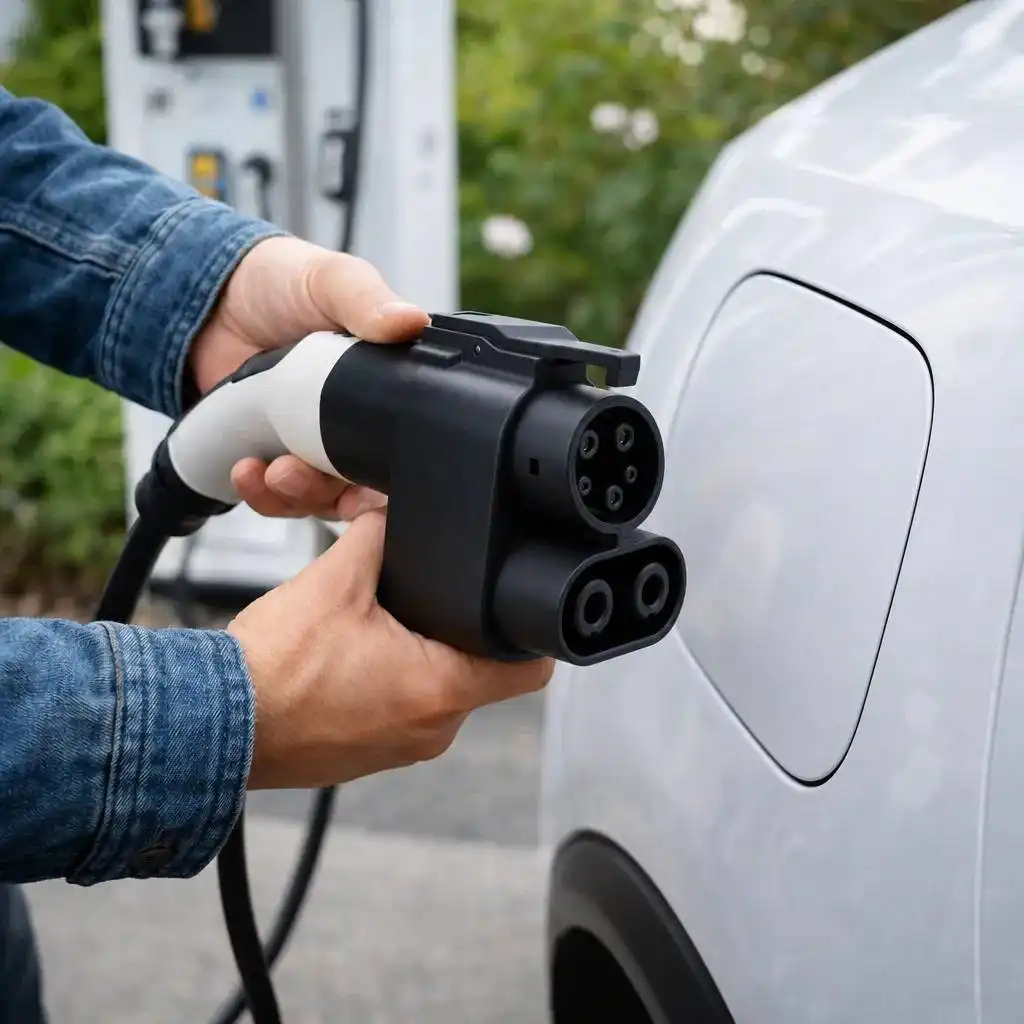
How Connectors, Power Ratings, and OCPP Affect Equipment Choice
Connector standards vary by region. Your equipment must match the vehicles in your market. The table below summarizes the requirements.
| Region | Required AC Standard | Required DC Standard |
|---|---|---|
| United States | SAE J1772 (Type 1); NACS (SAE J3400) becoming dominant | CCS1; NACS increasingly adopted |
| European Union | Type 2 (Mennekes) – mandatory | CCS2 – mandatory |
| China | GB/T 20234.2 | GB/T 20234.3 |
Power ratings determine charging speed. A 50kW DC charger adds roughly 100 to 200 miles of range per 30 minutes. A 350kW unit charges much faster but requires a stronger grid connection. Choose power levels based on driver dwell time and site electrical capacity.
OCPP (Open Charge Point Protocol) matters for software compatibility. This standard lets your chargers communicate with any management platform. Without OCPP support, you risk being locked into one vendor’s software. Look for equipment that supports OCPP to keep your options open.
When sourcing equipment, consider working directly with a manufacturer. DongYu provides OEM/ODM services, allowing you to customize branding and specifications. Their product range covers AC units from 3.5kW to 22kW and DC units from 20kW to 480kW. A 12-month warranty and responsive after-sales support reduce downtime risk. Buying wholesale from a manufacturer often lowers per-unit costs compared to reseller pricing.
Your equipment choice shapes your entire operation. Match charger type to driver behavior, connector standards to your region, and power ratings to site capacity. Reliable hardware from a trusted supplier keeps your EV charging station running smoothly and your revenue flowing.
What Permits and Regulations Apply to EV Charging Stations?
Permit rules differ from state to state and city to city. Some areas have clear steps to follow. Others treat charging equipment like a petroleum storage tank system. John Eichberger of the Fuels Institute pointed out this mismatch. A 2021 survey found that only 49 of 100 localities had set rules for charging installations. Twenty-three of those were in California. This mixed system means you must check local rules before signing any lease.
How Electrical Codes, Zoning Rules, and Permits Affect Installation
California leads the way with simpler permitting. Assembly Bills 1236 and 970 require cities and counties to use efficient procedures. The Governor’s Office of Business and Economic Development offers a best practices document. New Jersey published a Model Statewide Municipal EV Ordinance. This model helps municipalities require charging equipment in a consistent way. New York State gives materials to help planners work through the permitting process. The Puget Sound Regional Council offers model ordinances and checklists.
Zoning rules often cover parking and signage requirements. Atlanta requires 20 percent of parking spaces in new commercial buildings to be EV ready. Seattle requires 10 percent. Chicago requires 20 percent. San Jose requires 10 percent installed and 40 percent EV-capable. These rules shape your site design and costs.
Charging providers report that getting needed permits can take up to two years in some cases. Working with local officials early prevents costly delays.
How Inspections, Accessibility, and Safety Requirements Apply
Inspections confirm your installation meets electrical codes and safety standards. Orlando’s policy includes Americans with Disabilities Act accessibility requirements, signage rules, and design standards. Your station must pass inspection before it opens. Failed inspections delay revenue and frustrate customers.
Reliability drives customer retention and profit. Every hour of downtime costs you money. Drivers remember stations that fail them. They go back to competitors instead. Build a spare parts inventory for common failures. Keep cables, connectors, and control boards on hand. Partner with a service company for repairs beyond your capacity. A maintenance contract with guaranteed response times protects your uptime.
Some states limit how you charge customers. California and Connecticut ban subscription fees or membership requirements for public charging. Check your state’s rules before setting prices. Appoint a permitting point person to guide your application. Houston allows online submissions, which speeds approval. Plan for future expansion during initial permitting. Adding chargers later often requires new approvals.
How to Select Software for EV Charging Station Management
EV charging management software handles payments, monitors charger performance, tracks usage, and reduces operational workload. When choosing a platform, prioritize remote monitoring, OCPP support, and flexible billing features.
How Remote Monitoring and OCPP Support Charging Operations
Remote monitoring lets operators check charger status, identify faults, and start or stop charging sessions without visiting the site. This reduces downtime and simplifies network management.
The Open Charge Point Protocol (OCPP) enables communication between compatible chargers and central management systems. It supports status monitoring, session control, transaction records, diagnostics, firmware updates, and smart charging, depending on implementation.
Choose software with suitable OCPP support to improve interoperability and keep your options open when expanding your charging network. Verify compatibility between the charger model, firmware, OCPP version, and management platform.
How Billing, Payments, and Pricing Work at EV Charging Stations
Your pricing model affects revenue and driver behavior. Common options include:
- Per-kWh pricing: Drivers pay for the energy consumed.
- Idle fees: Encourage drivers to move vehicles after charging finishes.
- Time-based pricing: Adjust rates by charging duration or time of day.
Management software should support your chosen pricing rules, payment processing, memberships, receipts, and transaction reports. For DC fast charging, also consider electricity costs and demand charges, which can significantly affect profitability.
Before investing in an EV charging station business, estimate capital and operating costs, projected revenue, cash flow, break-even time, and return on investment. Actual profitability depends on location, utilization, electricity rates, equipment costs, and pricing strategy.
Start with market research, consult your local utility provider, and compare equipment and software options. Reliable technology and careful financial planning can help build a sustainable charging business.
Frequently Asked Questions About EV Charging Station Businesses
How Much Money Do You Need to Start an EV Charging Station Business?
Startup costs depend on charger type, site preparation, and electrical infrastructure. AC charging stations generally require less investment than DC fast charging stations, which may need costly grid upgrades. Budget for equipment, installation, permits, software, and maintenance.
How Long Does It Take to Build an EV Charging Station Business?
The timeline depends on site selection, permits, utility connections, and installation complexity. Sites with sufficient electrical capacity may be completed faster than those requiring grid upgrades. Equipment delivery, inspections, software setup, and testing also affect the launch date.
Are EV Charging Stations Profitable for Small Business Owners?
Yes, EV charging stations can be profitable, depending on location, charger utilization, electricity costs, and maintenance expenses. Busy roads, shopping centers, hotels, and fleet facilities may offer good opportunities. Evaluate local demand and operating costs before investing.
Can You Start an EV Charging Station Business Without Owning Land?
Yes. You can lease a site, partner with a property owner, or negotiate a revenue-sharing agreement. Before signing, clarify installation costs, electricity expenses, maintenance responsibilities, contract terms, and revenue distribution.
How Do EV Charging Station Owners Make Money?
EV charging station owners can earn revenue through per-kWh fees, session charges, subscriptions, and fleet charging contracts. Additional income may come from parking fees, advertising, or business partnerships. Profitability depends on whether revenue covers electricity, rent, software, and maintenance costs.