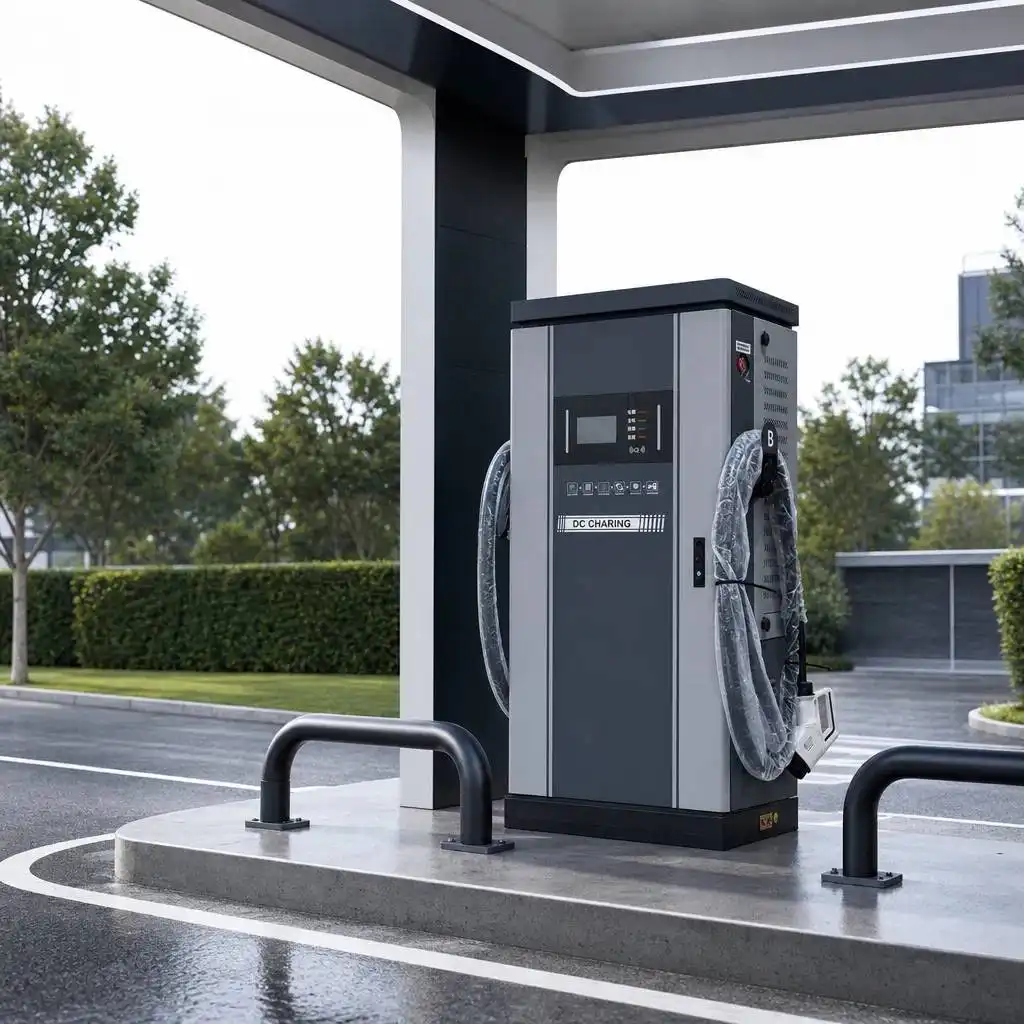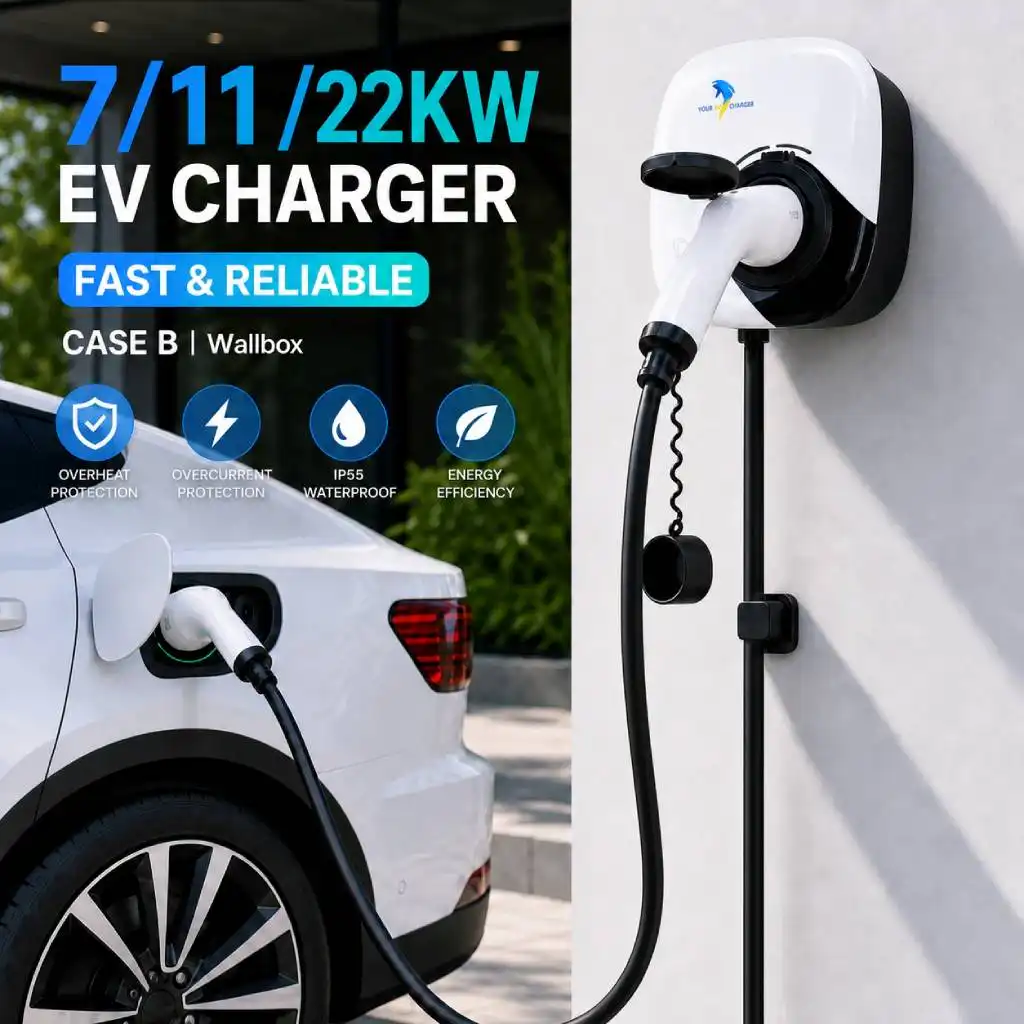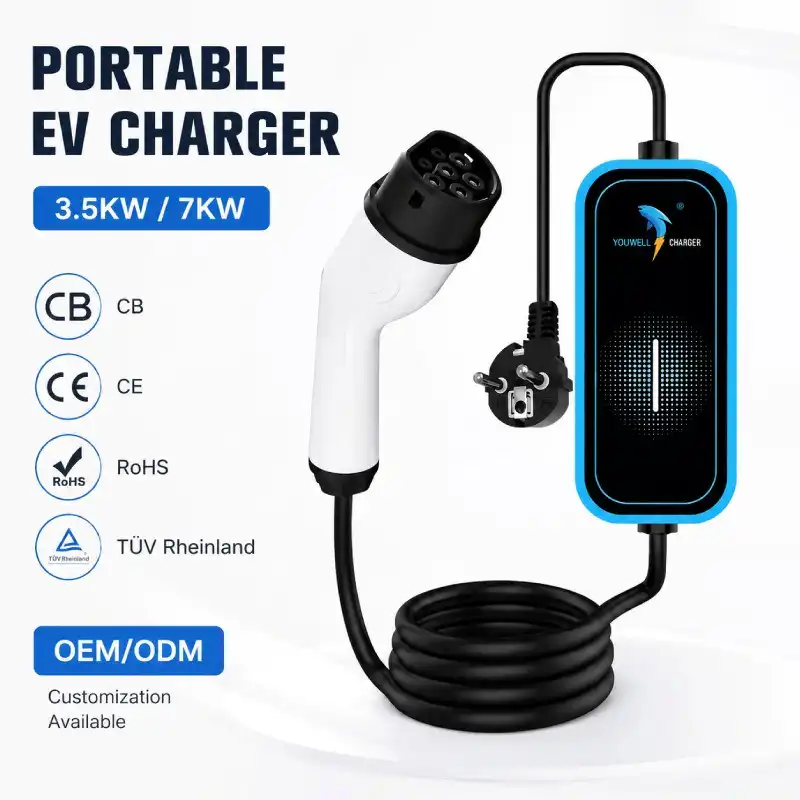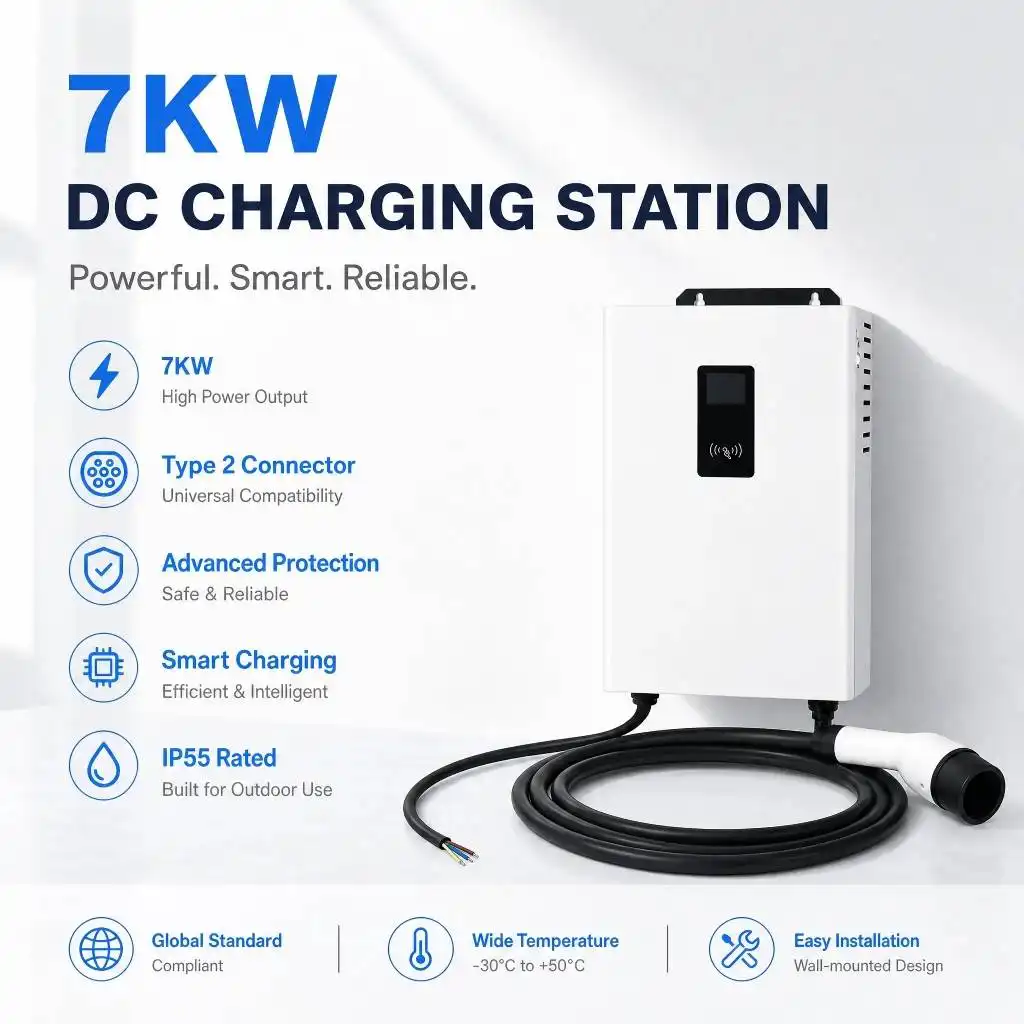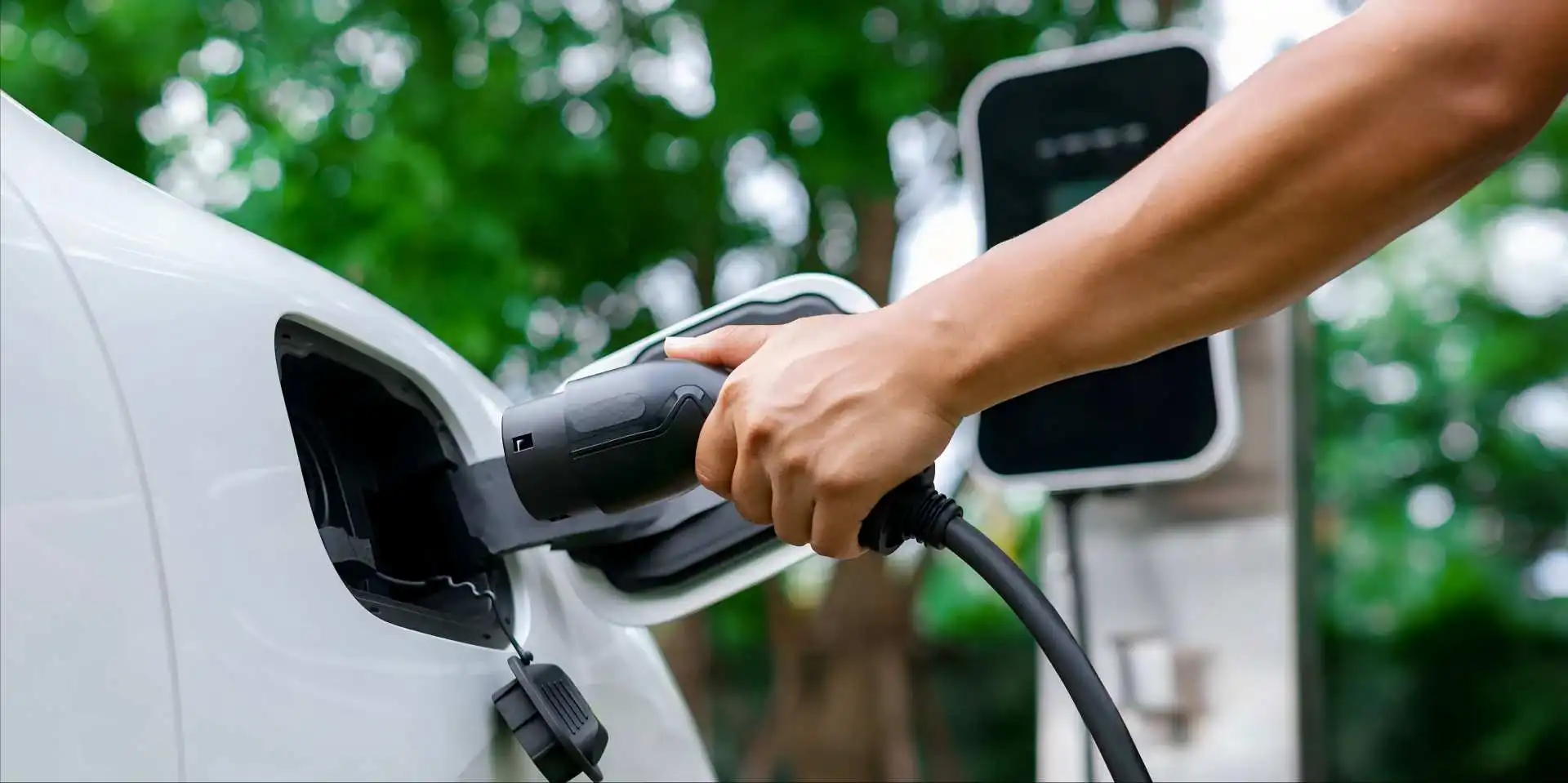
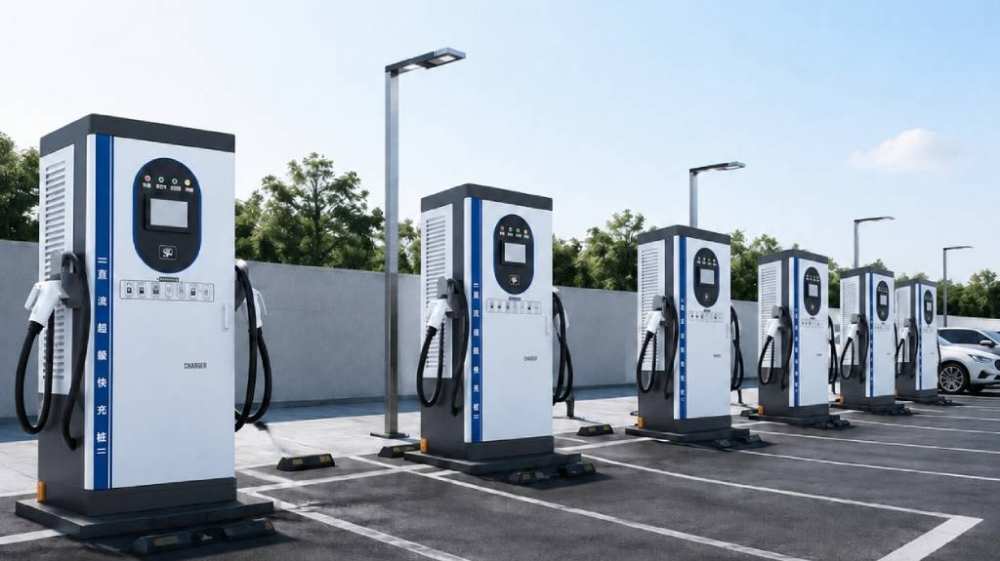
A DC fast charger sends high-voltage direct current straight to an electric vehicle battery and bypasses the car’s onboard charger. This design makes it the fastest way to refuel an EV. Most drivers charge at home with AC power, which is far slower. A Level 2 charger adds roughly 20 to 30 miles of range each hour. A DC EV charger can add 100 miles or more in that same time. That speed difference matters for road trips and busy schedules. It also introduces new details to learn, such as connector compatibility and battery care during fast charging.
Key Takeaways
- DC fast chargers send high-voltage DC power straight to the battery, making them the fastest way to charge an EV.
- Most EVs reach 80% charge in 20-30 minutes on a DC fast charger, adding 100 miles or more per hour.
- DC fast chargers come in power levels like 50 kW, 150 kW, and 350 kW, but your car’s battery limits how fast it can charge.
- Different regions use different connectors, such as CCS, CHAdeMO, and NACS, so check your car’s compatibility.
- Use DC fast charging for long trips and AC home charging for daily needs to protect battery health and save money.
What Is a DC Fast Charger and How Does It Work?
When an EV charges on Level 2 AC power, the electricity comes as alternating current. The onboard charger in the car changes it to direct current for the battery. That small device limits power to about 7–19 kW. DC fast charging takes away that limit. The charging station does the conversion instead. It takes AC from the grid, changes it to DC, and sends the current straight to the battery. The car’s onboard charger is not used at all. The battery gets high-voltage DC without the extra conversion step.
This design moves a lot of electrical work outside the vehicle. It also moves the cost. A DC EV charger can run at much higher power. Public DC fast chargers often deliver 50–350 kW. Common ratings include 50 kW, 150 kW, and 350 kW. The table below sums up the difference.
| Charging type | Typical power output | Limiting factor |
|---|---|---|
| Level 2 AC | 7–19 kW | Onboard charger inside the vehicle |
| Public DC fast | 50–350 kW | Station sends DC power directly to the battery |
The hardware is big and costly because it handles high voltage and high current. A single 150 kW DC port can cost $90,000 to $150,000 installed. The price covers the charging unit, electrical service, transformer, concrete pad, trenching, and permits. A pad-mounted transformer alone runs $20,000 to $80,000, with lead times of 12–26 weeks. These costs explain why DC fast chargers sit at public stations and fleet depots, not in a normal home garage. Instead, they belong in places built for heavy electrical demand.
Manufacturers build this equipment for commercial use. DongYu, a leading Chinese EV charging manufacturer, supplies DC EV charger models from 20kW to 480kW for wholesale and custom projects. Every unit must handle heat, network communication, and safety protection. That engineering complexity drives the price. Home AC charging stays the affordable daily option. DC fast charging serves the moments when speed matters most.
DC Fast Charger vs. AC EV Charger: Key Differences Explained
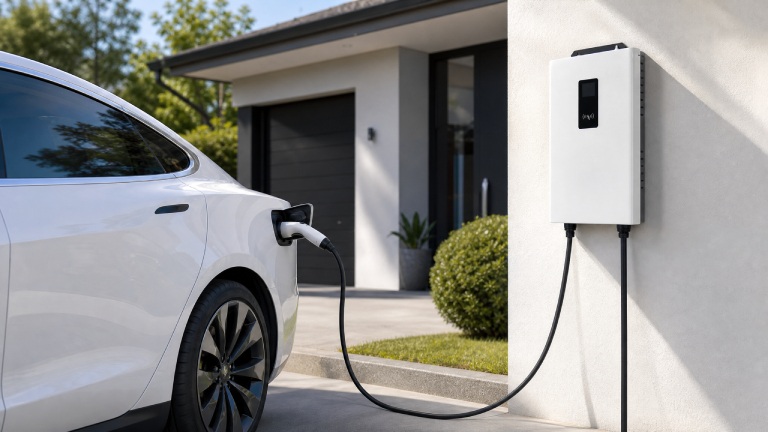
The main difference between these two charging types is where the power gets changed. An AC EV charger sends alternating current to the car. The onboard charger inside the car then turns that AC into DC. This step limits power to what the onboard unit can handle. A DC EV charger does the opposite. The station takes AC from the grid, changes it to DC inside, and sends DC right to the battery. The car never does its own conversion. That one change allows much higher power levels.
The battery management system, or BMS, acts as the brain during this exchange. It talks to the charger and sets a safe power curve for the session. Think of it as a conversation. The charger asks how much current the pack can take. The BMS answers based on cell voltage, state of charge, and temperature. Then it adjusts that answer moment by moment. This protects the battery from stress, overheating, and long-term damage.
Temperature control sits at the center of that conversation. Battery cells work best inside a range of 20 °C to 45 °C. Above 45 °C, charging capacity drops sharply. Above 50 °C, the charging multiplier falls below 0.5C. The BMS watches these limits and lowers current before the pack crosses them. Without good cooling, a cell at a 6C rate can pass 75 °C in about 480 seconds. That is far past the 45 °C protection threshold. Fast charging just cannot happen without thermal management working alongside it.
The charging curve itself tells the story. Each EV has its own DC fast charging curve showing how much power it can pull as the battery fills.
Typically, an EV charges at its top rate only partway through the cycle, then slows as the battery fills, often dropping sharply after 80% SOC.
AC Level 2 charging does not show this same taper. The onboard charger keeps a steady rate because it never pushes the pack near its limits.
| Charging Type | What Controls the Curve | Tapering Behavior | Limiting Factor |
|---|---|---|---|
| DC Fast Charging | EV battery charge curve / BMS | Current tapers at high SOC to keep cell voltage and temperature within limits | Battery acceptance, cell voltage, temperature, SOC |
| AC Level 2 | Onboard charger | Does not typically taper the same way | Onboard charger rating |
A DC fast charger may give peak power only over a limited state-of-charge window. As cell voltage rises or the pack warms, current tapers. Reaching 100% takes much longer than reaching 80%. Drivers who understand this curve plan their stops around the 80% mark. That habit saves time and lowers stress on the pack. The BMS also controls coolant flow based on battery temperature and state of charge. Managing coolant is often more efficient than cutting current, because it controls heat without slowing the charge. This is why two EVs on the same charger can act very differently. The station supplies the power. The car decides how much of it to accept.
What Are the Main Power Levels of DC Fast Chargers?
DC EV Charger Power Ratings, Voltage, and Current Explained
Most drivers care about one number: how long a charging stop takes. Many EVs reach 80% state of charge in about 20 to 30 minutes on a capable DC fast charger. Some models finish that same window in under 20 minutes. That benchmark shapes how stations get sized and how drivers plan trips.
Station power comes in tiers. The common ratings are 50 kW, 150 kW, and 350 kW. A 50 kW unit suits shorter stops and older vehicles. A 150 kW charger serves most modern EVs on the road today. A 350 kW unit targets the newest platforms with high-voltage packs. The table below shows how these tiers line up.
| Station Tier | Typical Use Case | Vehicle Match |
|---|---|---|
| 50 kW | Short stops, older EVs | Lower-voltage packs |
| 150 kW | Mainstream public charging | Most current EVs |
| 350 kW | Highway corridors, new platforms | 800V vehicles |
Vehicle architecture sets the ceiling. An 800V vehicle can use an ultra-fast 350 kW charger and pull power near that limit. A 400V vehicle peaks lower on the same station. The charger does not force power into the pack. The car’s battery management system decides how much current to accept. A 400V pack simply cannot absorb the same rate as an 800V pack on the same cable.
Charging speed also tapers as the battery fills. According to Electrify America, charging speeds tend to slow toward the end of a session. Many EVs perform a bulk charge and then reduce speed once they reach approximately 80% state of charge. The exact point where this taper begins varies by vehicle. Drivers should check their manufacturer’s guidance to know when bulk charging ends for their model.
This taper protects the battery. Pushing full current into a nearly full pack raises cell voltage and temperature. The BMS lowers current to stay within safe limits. That is why the last 20% often takes as long as the first 80%. A DC EV charger with a higher rating cannot override this behavior. The car always controls the final rate.
For fleet operators and site hosts, these tiers guide equipment selection. A depot with 400V vans may not need 350 kW hardware. A highway site serving 800V sedans will. Matching station power to the vehicles that actually stop there keeps costs down and utilization high. DongYu manufactures DC EV charger units from 20kW to 480kW, giving wholesale and custom buyers a range that covers every tier discussed here.
What Types of Connectors Are Used by DC EV Chargers?
CCS, CHAdeMO, and NACS Connector Compatibility for DC Charging
Charging often with DC fast chargers can speed up battery wear over time. A study that tested two Nissan Leafs found that using only DC rapid charging raised degradation by 16% compared to AC charging. But a Recurrent Motors analysis of more than 12,500 Tesla vehicles found no big difference in battery capacity loss between heavy fast charging users and those who rarely fast charge. The practical takeaway: balance fast charging with regular AC charging when you can.
Cost also matters. DC fast charging averages $0.53 per kWh, while home Level 2 charging averages $0.18 per kWh. That price gap makes home charging the economical daily choice and fast charging the occasional necessity.
Connector standards vary by region, and matching your vehicle to the right plug is essential.
| Region | DC Fast Charging Standard | Key Details |
|---|---|---|
| North America | CCS1 and NACS | CCS1 leads public charging; NACS expanding rapidly |
| Europe | CCS2 | Primary standard since 2014 |
| China | GB/T | Mandatory national standard |
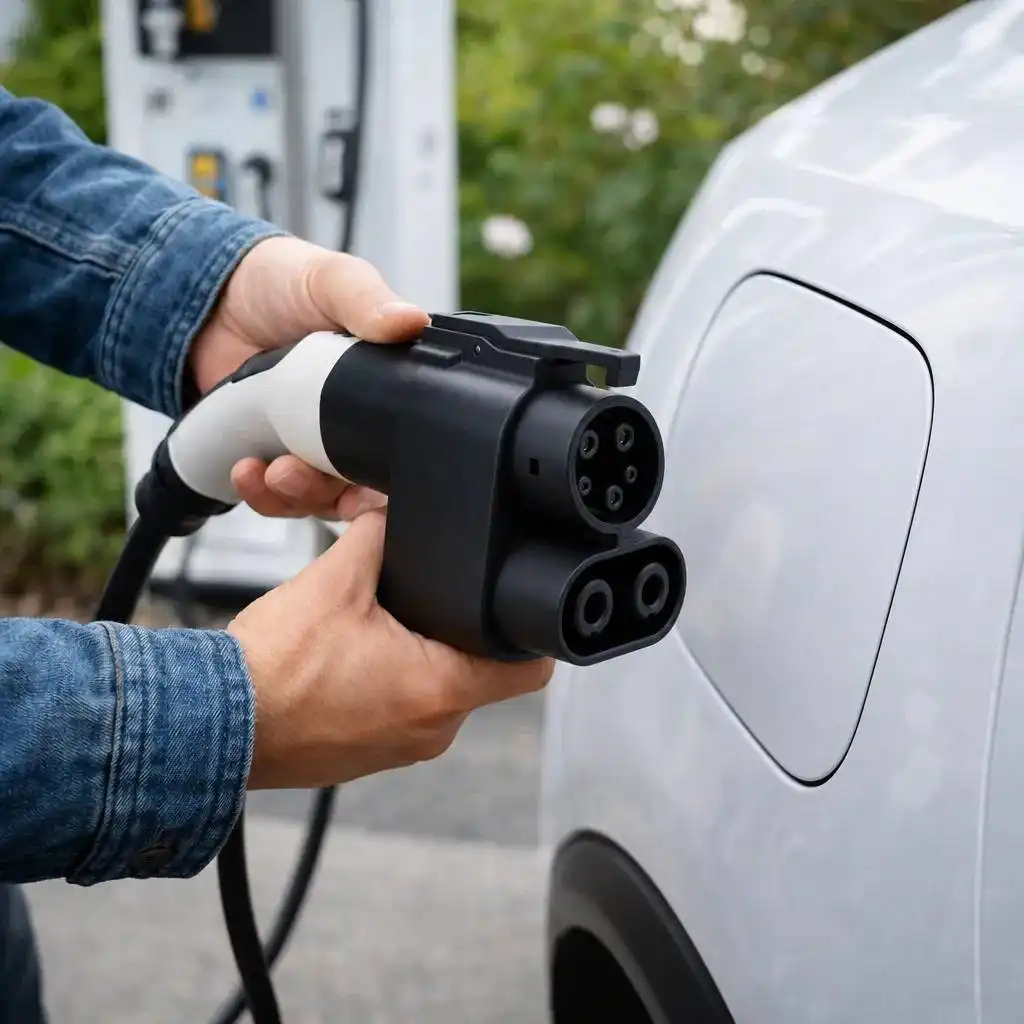
CCS1 EV Charger combines the J1772 Type 1 plug with two DC pins, delivering up to 500 A and 1000 V DC. CCS2 EV Charger uses the Mennekes Type 2 plug with the same DC pin design. CHAdeMO, developed by Japanese automakers, supports up to 400 A and is declining outside Japan. Tesla’s NACS connector handles both AC and DC charging through shared pins and is now standardized as SAE J3400.
As a wholesale supplier, DongYu offers custom configurations to match regional connector requirements. This range covers the connector standards used across North America, Europe, and China, giving buyers a single source for compatible hardware.
Where Are DC Fast Chargers Commonly Installed and Used?
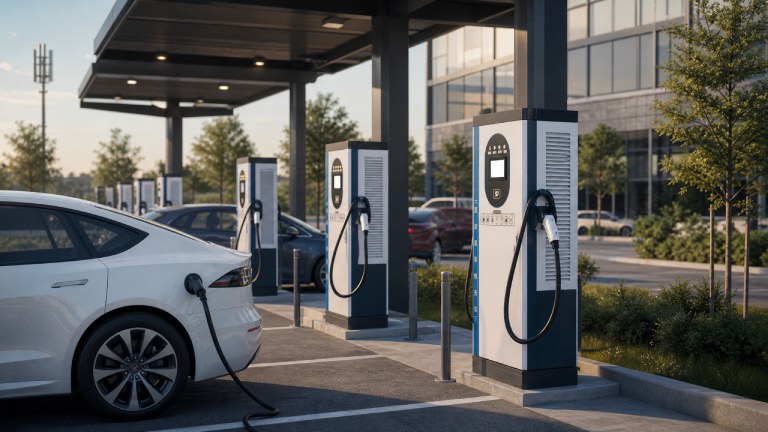
DC fast chargers are commonly installed along highways, at fleet depots, and in commercial parking areas. These locations support different charging needs, from long-distance travel to high-frequency vehicle operations and public charging access.
DC EV Chargers for Highway Corridors and Service Stations
Highway corridors need DC EV chargers that allow drivers to recharge quickly during long-distance trips. Site selection depends on traffic volume, charging demand, grid capacity, and distance from major roads.
Service stations near restaurants, convenience stores, and rest areas are practical locations because drivers can charge while taking a break. Reliable equipment, adequate parking, lighting, and easy access also improve the charging experience.
DC Fast Chargers for Commercial Fleets and Logistics Depots
Commercial fleets and logistics depots use DC fast chargers to reduce vehicle downtime between routes. Delivery vans, electric trucks, and other fleet vehicles can recharge during scheduled breaks or shift changes.
Operators should consider charging power, vehicle schedules, available electrical capacity, and space for future expansion. DongYu offers DC fast charger units ranging from 20 kW to 480 kW, supporting different fleet charging requirements and customized configurations.
DC EV Chargers for Retail Centers and Public Parking Facilities
Retail centers, shopping malls, and public parking facilities can install DC EV chargers to serve drivers who need faster charging while shopping, dining, or parking. These locations can benefit from convenient access, visible charging spaces, and integration with existing parking operations.
Before installation, operators should evaluate parking turnover, expected charging demand, grid capacity, and equipment placement. Choosing suitable DC EV chargers helps balance charging speed, site requirements, and long-term operating efficiency.
What Are the Installation Requirements for a DC Fast Charger?
DC EV Charger Electrical Capacity, Grid Connection, and Power Supply
Installing a DC EV Charger requires sufficient electrical capacity to support high-power charging. Before installation, assess the site’s available power, three-phase supply, transformer capacity, and distribution equipment.
| Electrical Requirement | Key Consideration |
|---|---|
| Grid connection | Confirm available power and utility connection requirements |
| Transformer | Check whether existing transformer capacity supports the charging load |
| Switchgear and cabling | Size equipment according to rated current and local electrical codes |
| Grounding and protection | Provide appropriate grounding, overcurrent, and fault protection |
| Load management | Balance charging demand to reduce peak loads |
Higher-power chargers and multi-unit charging hubs may require transformer upgrades or dedicated electrical infrastructure. A professional load assessment helps determine whether the site needs an electrical upgrade, load management, or phased deployment.
DC Fast Charger Installation Costs, Permits, and Site Preparation
DC fast charger installation costs depend on charger power, grid upgrades, construction work, and local permitting requirements. Site preparation may include concrete foundations, trenching, conduit installation, parking layout adjustments, and utility connections.
Permits and utility approvals should be arranged early because grid upgrades can extend project timelines. Operators should also account for ongoing electricity costs, including demand charges where applicable.
For commercial projects, selecting suitable charging capacity helps balance upfront investment and operational needs. DongYu offers DC fast charger units from 20 kW to 480 kW, supporting different site configurations and charging project requirements.
DC EV Charger Networking, Software, and Load Management
Networking and software help operators monitor and manage DC EV Chargers after installation. Depending on the equipment and platform, key functions may include remote monitoring, charging status updates, fault alerts, user authentication, and usage reporting.
Load management is particularly useful at sites with multiple chargers. It distributes available electrical capacity across charging units to help prevent excessive peak demand and reduce the need for immediate infrastructure upgrades.
Before deployment, operators should confirm network connectivity, software compatibility, remote maintenance capabilities, and support for relevant charging management protocols. These considerations help maintain reliable operation and simplify future expansion.
What Are the Main Benefits and Limitations of DC Fast Charging?
DC Fast Charger Benefits for High-Traffic and Fleet Charging
A DC EV charger delivers high-power charging, often bringing an EV from 20% to 80% in around 20–45 minutes, depending on the vehicle and charger. This makes DC fast charging ideal for highway service stations, public charging hubs, and commercial fleets that need to minimize downtime.
DongYu offers DC EV chargers from 20 kW to 480 kW for wholesale and customized fleet charging projects.
DC Fast Charging Limitations in Cost, Grid Demand, and Installation
DC fast chargers have higher equipment and installation costs than AC chargers. Sites may also require transformer upgrades, grid connections, and load management to handle high power demand.
Frequent DC fast charging may accelerate battery degradation under certain conditions, especially at high temperatures. AC charging is generally more economical for daily use, while DC fast charging is better suited to long trips and situations requiring rapid charging.
Frequently Asked Questions About DC Fast Chargers
Can All Electric Vehicles Use a DC Fast Charger?
No. An EV must support DC fast charging and have a compatible connector. Compatibility varies by vehicle model and market, so check the vehicle specifications and charging standard before selecting a DC EV Charger.
How Long Does DC Fast Charging Usually Take?
DC fast charging typically takes around 20–40 minutes to charge an EV from 20% to 80%, depending on battery capacity, charger power, vehicle charging limits, and battery temperature. Charging speed usually decreases as the battery approaches full capacity.
Can You Install a DC Fast Charger at Home?
Yes, but residential installation is often impractical because DC fast chargers require substantial electrical capacity, specialized equipment, and professional installation. Most homeowners choose AC EV chargers because they are more affordable and better suited to overnight charging.
Is DC Fast Charging More Expensive Than AC Charging?
Generally, yes. DC fast charging often costs more because of higher equipment and operating costs, and public charging providers may apply additional fees. AC home charging is usually more economical for everyday use, while DC fast charging is useful when time is limited.
How Often Should a DC EV Charger Be Inspected and Maintained?
Inspection frequency depends on the manufacturer’s recommendations, operating conditions, and local regulations. Regular checks should cover charging cables, connectors, cooling systems, electrical connections, and protection functions. Commercial operators should also monitor fault alerts and charging performance to identify issues early.